Clinical Research Center
Get Free Medical Opinion
Who We Are
Clinical research is the vital bridge between medical science and patient care — transforming discoveries in the laboratory into real-world treatments that can change lives. At MedicalPoint Hospital’s Prof. Dr. Ahmet Uğur Yılmaz Clinical Research Center, every study is a bold step forward, aiming to improve both the present and future health of our patients.
Our mission is to positively impact quality of life, guided by scientific rigor and ethical responsibility. We bring together multidisciplinary teams — including medical oncologists, radiologists, pharmacologists, statisticians, and clinical trial coordinators — working in harmony to achieve breakthrough results.
For us, each clinical trial is more than just research — it is a commitment to hope, touching the lives of participants and offering new possibilities for patients worldwide. The high-quality data we generate helps shape tomorrow’s treatments, contributing to global medical knowledge.
“Our determination to reach the best will never waver. Contributing to science while improving patient lives is both our duty and our greatest reward.”
— Prof. Dr. Çağatay Arslan
Medical Oncology – Coordinator, Clinical Research Center
Our Vision in Clinical Research
Our vision is to lead innovation in clinical research, ensuring that new drugs, devices, and treatment protocols are tested for safety, effectiveness, and real-world benefits before reaching patients.
By integrating state-of-the-art diagnostic tools, advanced monitoring systems, and ethical patient care, we aim to accelerate the journey from discovery to treatment. We uphold the highest standards of Good Clinical Practice (GCP) and international ethical guidelines, ensuring that every participant’s safety, dignity, and rights are protected.
Innovative Approach in Clinical Research
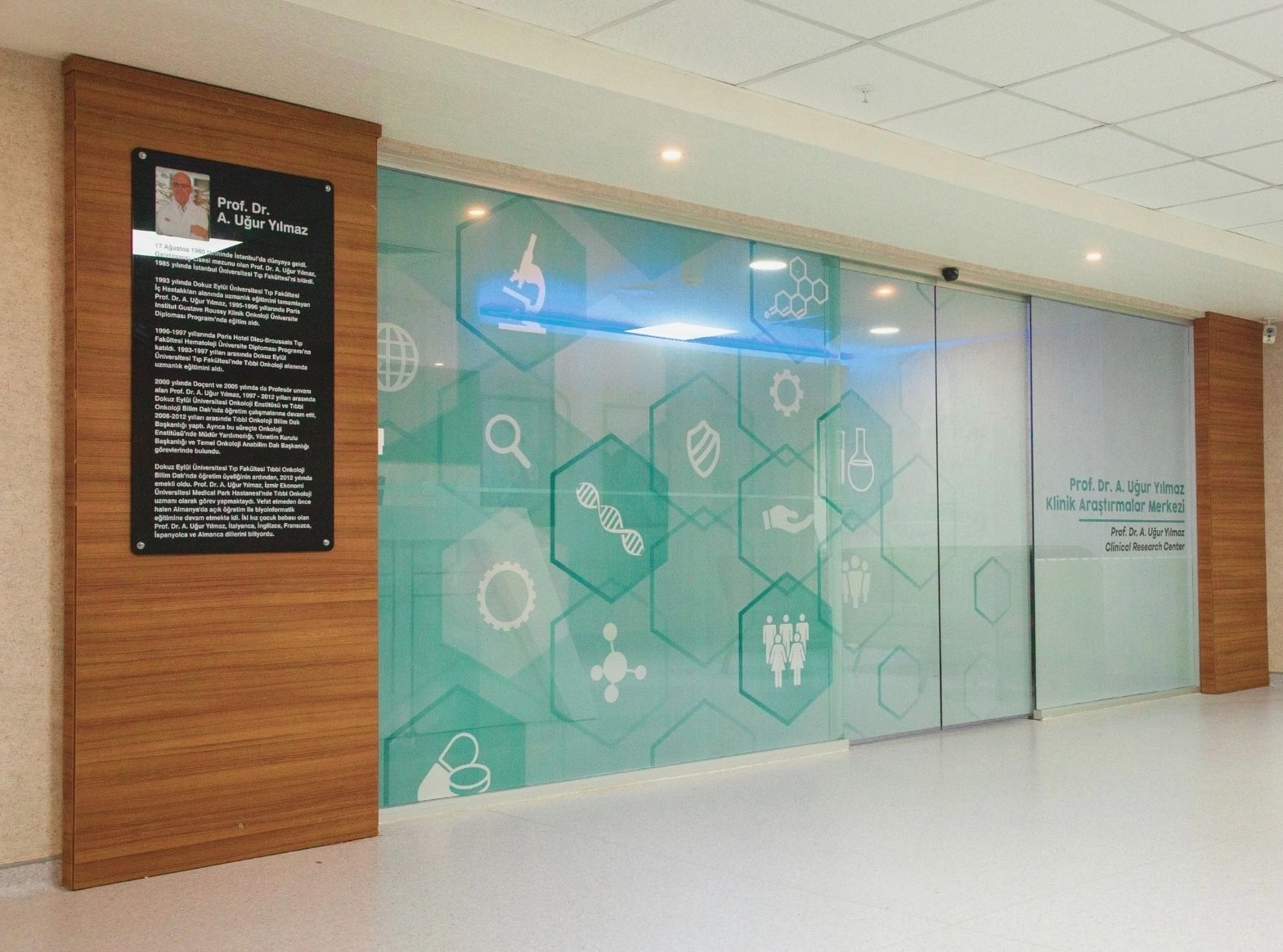
The Prof. Dr. Ahmet Uğur Yılmaz Clinical Research Center is a 281 m² purpose-built facility within MedicalPoint Hospital, designed to meet the complex requirements of Phase II and Phase III clinical trials.
We employ cutting-edge technologies such as:
- 3 Tesla MRI supported by artificial intelligence – the only one of its kind in the Aegean Region.
- Advanced laboratory and imaging equipment for multi-specialty research.
- Secure digital platforms for real-time data monitoring and analysis.
This infrastructure enables precise diagnostics, efficient monitoring, and robust data collection, ensuring our research is both scientifically valid and clinically relevant.
Remembering Prof. Dr. Ahmet Uğur Yılmaz (1960–2021)
A visionary in clinical research, Prof. Dr. Ahmet Uğur Yılmaz dedicated his career to advancing medical science through ethical, patient-focused studies. His legacy continues to inspire our work — encouraging innovation, collaboration, and excellence in every trial we conduct.
IEU MedicalPoint Hospital: A Leader in Healthcare
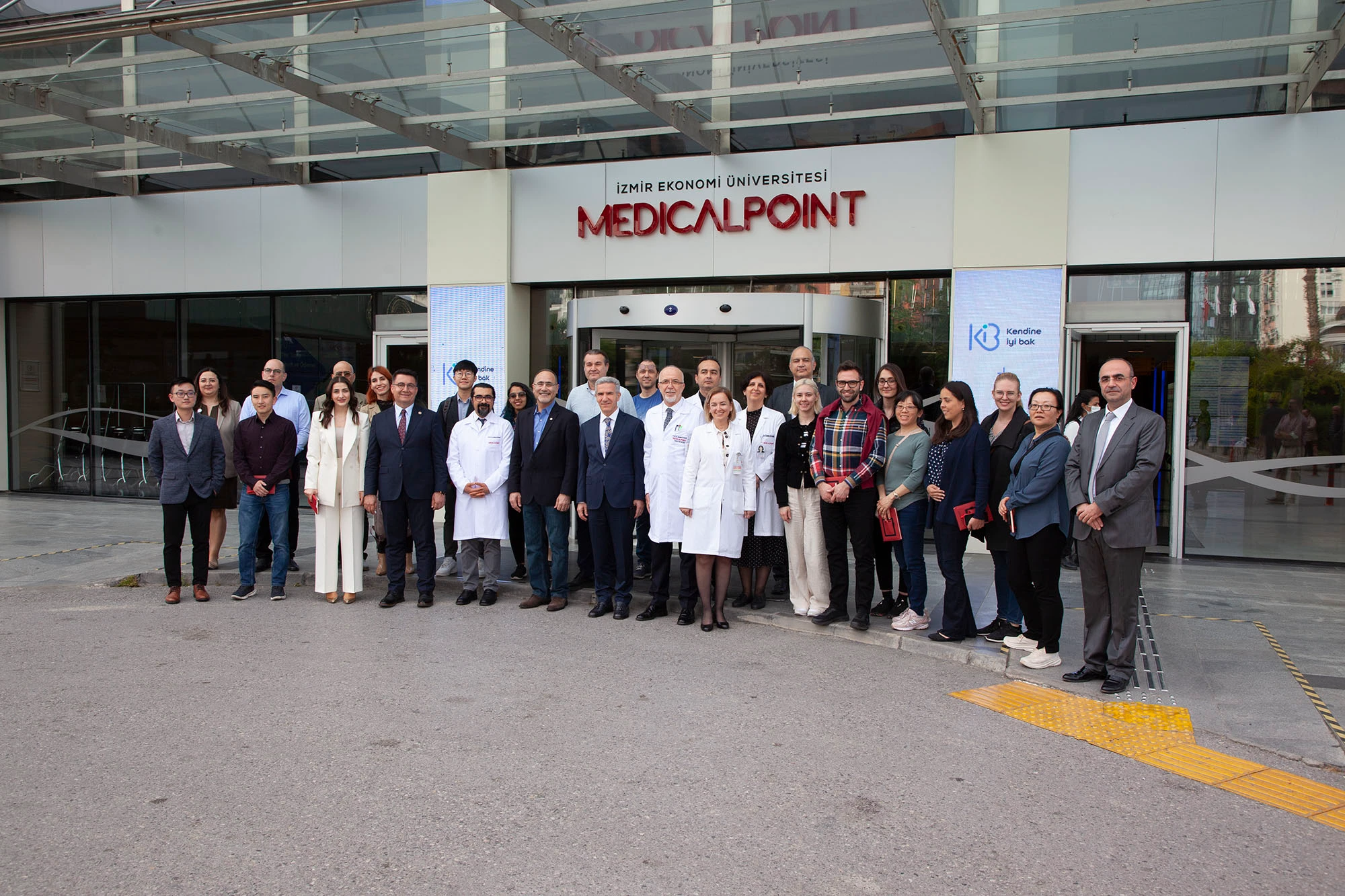
Since 2011, İzmir Economy University MedicalPoint Hospital has been a trusted center for high-quality healthcare in Türkiye. Our 50,000 m² facility includes:
- 301 patient beds
- 88 intensive care units
- 11 fully equipped operating rooms
- 125 specialist physicians
- 1,145 experienced healthcare professionals
This integrated hospital environment ensures that our clinical trials are conducted in a setting where world-class patient care and advanced research coexist.
Understanding the Phases of Clinical Research
Phase 1 Clinical Research
Objective:
- Evaluate safety, tolerability, and dosage range of a new drug or therapy.
Process:
- Conducted on 20–100 healthy volunteers or selected patients.
- Identify safe dosage levels.
- Monitor short-term side effects and pharmacokinetics (how the body absorbs, distributes, metabolizes, and excretes the drug).
Phase 2 Clinical Research
Objective:
- Assess effectiveness and further evaluate safety in a targeted patient group.
Process:
- 100–300 participants with the condition being treated.
- Determine optimal dosing and continue monitoring side effects.
- Measure preliminary treatment outcomes to assess potential benefits.
Phase 3 Clinical Research
Objective:
- Confirm efficacy and safety in a larger population; compare with standard treatments.
Process:
- 300–3,000+ participants across multiple centers.
- Detect less common side effects.
- Provide the final evidence required for regulatory approval.
Phase 4 Clinical Research
Objective:
- Monitor long-term safety and real-world effectiveness after market approval.
Process:
- Conducted on large populations in routine clinical settings.
- Identify rare or long-term side effects.
- Update usage recommendations and improve patient outcomes.
Observational Studies in Clinical Research
What They Are:
Observational studies involve non-interventional monitoring of participants in their natural settings to understand disease patterns, risk factors, and treatment outcomes.
Key Characteristics:
- No treatment interference – existing care continues without change.
- Real-world settings – patients are observed during routine healthcare.
- Data sources – medical records, surveys, or interviews.
Types of Observational Studies:
- Cohort Studies – follow a group over time.
- Case-Control Studies – compare patients with a condition to those without it.
- Cross-Sectional Studies – analyze a population at a single point in time.
- Ecological Studies – analyze data at group or population levels.
Advantages:
- Large-scale population coverage.
- Long-term outcome analysis.
- Lower ethical complexity due to non-intervention.
- Insights into rare diseases or conditions.
Applications:
- Determining prevalence and incidence.
- Identifying potential risk factors.
- Monitoring medication safety over years.
- Evaluating healthcare utilization patterns.
Ethical Considerations:
All observational studies require ethics committee approval, informed consent, and strict data confidentiality compliance.
Conclusion
Clinical research is the foundation of modern medicine — without it, safe and effective treatments would not exist. At MedicalPoint Hospital’s Clinical Research Center, we are proud to contribute to global medical advancements through rigorous science, ethical practices, and patient-centered care.
Every trial we conduct brings us closer to better treatments, improved patient outcomes, and a healthier future for all.
Become a Volunteer
Why Should I Volunteer?
- Contribute to the development of new treatments and medications.
- Gain detailed insights into your own health status.
- Access early treatment opportunities.
- Support society by contributing to scientific research.
- Participants in phase studies can experience various personal health benefits:
- Comprehensive medical examinations and tests.
- Continuous monitoring and care by specialist doctors.
- Access to new treatment options as alternatives to current therapies.
- Early access to treatment and potential health improvements.
Scientific and Societal Contributions
- By participating in phase studies, you can make significant contributions to scientific research and society.
- Help in the development of new medications and treatment methods.
- Contribute to better treatment options for future patients.
- Support the accumulation of scientific knowledge.
- Aid in improving public health.
Financial and Moral Benefits of Participating in Phase Studies
- The moral satisfaction of contributing to scientific studies.
- The pride of being involved in the development of new treatment methods.
- Travel and other expenses may be covered.
- All payments related to the research are covered by the sponsor.
- No fees are charged to the volunteer for participation.
- Personal insurance (such as SGK) is not used.
Steps to Participate in Phase Studies
- Contact and Preliminary Information
- In-Person Detailed Information Session and Q&A
- Participation Decision and Volunteer Consent (signing the informed consent form)
- Medical History and Eligibility Assessment (physical examination, laboratory, and imaging evaluations)
- Participation in the Study
- Volunteers have the right to withdraw from the study at any stage. All processes are carried out based on voluntarism.