Interventional Radiology
Get Free Medical Opinion
Overview
Lung, liver, prostate, thyroid and breast biopsies are performed with high accuracy and safety at our hospital. MR Fusion prostate biopsy and MR-guided breast biopsies are our new-generation diagnostic methods. Carbon Dioxide Angiography is a perfect solution for angiography of patients with kidney diseases, as contrast agent is not used in this procedure.
Video Reviews
Treatment Methods
RF ablation and cryoablation treatments are performed in cancer patients. Liver tumors are aggressively treated with radioembolization, chemoembolization (Trans-arterial Chemoembolization) and chemo saturation, for which our hospital is the only active and accredited center in Turkey. Cerebral aneurysms are treated, stents are inserted into carotid system and aneurysm of the aorta is repaired with graft stent (closed technique). Considerable success rates are obtained in treatment of diabetic feet with removal of plaques, stent insertion and balloon dilation in blood vessels of legs.
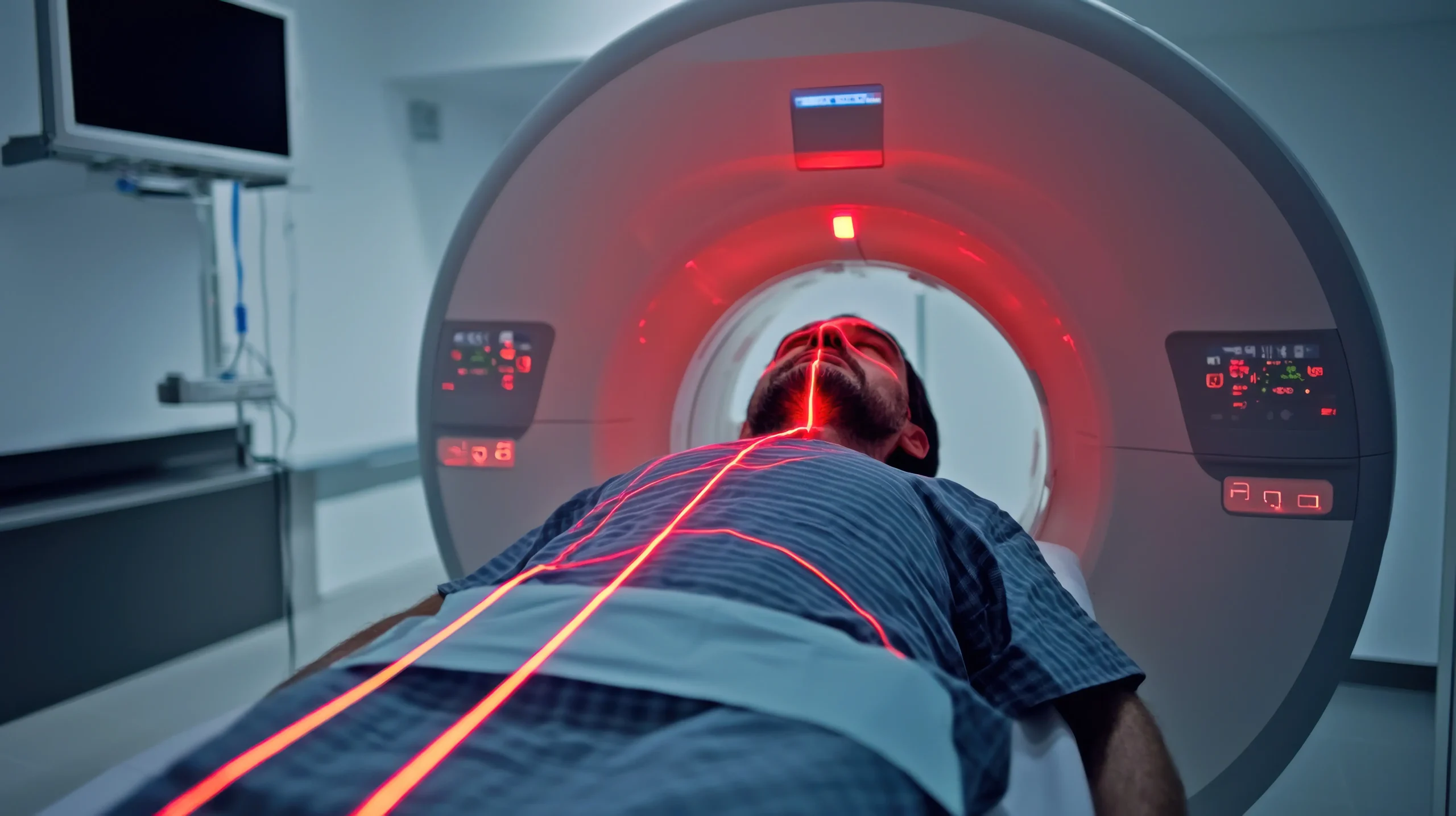
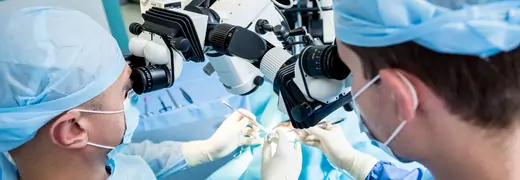
Extravascular treatments focus on stenotic bile ducts and urinary tract. Interventional Radiology is a discipline where therapeutic procedures are performed for many organ systems under the guidance of imaging modalities without any need for surgical procedures. The ability to diagnose and treat diseases through a small hole without any surgical incision is known as “keyhole therapies”, as they also provide more accurate details about the disease. Treatments are safely performed using high-tech devices by our experienced healthcare professionals in accordance with International Quality Standards and the standards issued by Turkish Nuclear Regulatory Authority.
-
All diagnostic and biopsy procedures performed under imaging guidance
-
All kinds of angiographic diagnosis and treatment procedures
-
Aneurysm (bubble) treatment with closed method
-
Aneurysm Treatment
-
Arterial Plaque Removal (Endovascular Atherectomy)
-
Bile duct obstruction/jaundice treatment (PTK, bile drainage, stent)
-
Chemosaturation
-
Clot-clearing treatments in acute (sudden) stroke
-
Deep Vein Thrombosis (DVT)
-
Imaging-guided abscess and cyst treatment anywhere in the body
-
Intravascular Closed Surgery
-
Prostate Embolization
-
Radioembolization
-
RF (Radio Frequency) Ablation – Microwave Ablation
-
Stent/balloon treatments for cerebral vascular stenosis (carotid artery and intracerebral vascular stenosis)
-
Stenting of Aortic Stenosis and Inflammatory Aortic Diseases
-
TAKE-TARE
-
Treatment of benign prostatic hyperplasia (closed prostate reduction with embolization)
-
Treatment of Carotid Artery (Carotid Artery) Stenosis
-
Treatment of vascular mass (hemangioma, arteriovenous malformation, etc.)
-
Varicose Vein Treatment
-
Vertebroplasty (vertebral compression fractures, cancer pain) treatment
FAQ
Interventional radiology (IR) is a medical specialty that uses advanced imaging technologies—such as ultrasound, CT, and fluoroscopy—to guide minimally invasive procedures for diagnosing and treating various conditions, often as alternatives to traditional surgery.
Interventional procedures offer many benefits:
No or small incisions
Less pain and faster recovery
Reduced risk of complications
Shorter hospital stays or outpatient treatment
Real-time imaging for high precision
Our Interventional Radiology Department treats a variety of conditions, including:
Uterine fibroids (Uterine Artery Embolization)
Varicose veins
Liver tumors (radiofrequency ablation or chemoembolization)
Kidney and liver cysts
Deep vein thrombosis (DVT)
Biliary and urinary tract obstructions
Peripheral artery disease
Spinal fractures (vertebroplasty, kyphoplasty)
Drainage of abscesses or fluid collections
Central venous catheter and port placements

Yes. IR procedures are performed by highly trained radiologists using real-time imaging to ensure accuracy and safety. They are considered low-risk and often have fewer complications compared to traditional surgery.
Most procedures require only local anesthesia or mild sedation, which makes them safer, especially for patients who may not be good candidates for general anesthesia.
Discomfort is generally minimal. Most patients feel only mild pressure or warmth during the procedure. Pain management is provided when needed, and recovery is usually quick.
Recovery times vary, but most patients return to normal activities within 24 to 72 hours, depending on the type of procedure. Hospital stays are typically short or not required at all.
Our specialists use advanced imaging technologies for precision and safety:
Ultrasound
Fluoroscopy (live X-ray)
CT (computed tomography)
MRI (magnetic resonance imaging), in selected cases
Yes. Interventional radiologists play a key role in cancer care by providing:
Tumor ablation (RFA, microwave)
Chemoembolization (TACE) and radioembolization (TARE)
Image-guided biopsies
Pain management procedures
These are often used alongside surgery, chemotherapy, or radiation therapy.