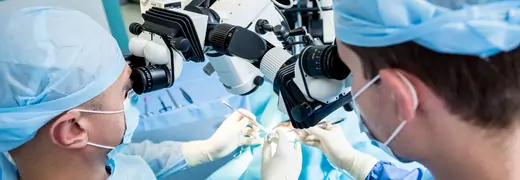
Thrombectomy in Acute Stroke: A Life-Saving Procedure at Medical Point Hospital
Request Call Back
What Is Thrombectomy?
Thrombectomy is a medical procedure used to remove a blood clot (thrombus) that is blocking a blood vessel. This minimally invasive surgery is often performed to restore blood flow in the brain arteries, particularly in patients experiencing an acute ischemic stroke — a type of stroke caused by a blockage that prevents oxygen-rich blood from reaching brain tissue.
When a blood vessel becomes obstructed by a clot, the surrounding brain cells are deprived of oxygen and nutrients. This can lead to irreversible brain damage within minutes. Thrombectomy aims to reopen the blocked vessel, reestablishing circulation and minimizing long-term neurological damage.
At Medical Point Hospital, thrombectomy is performed by a specialized interventional neuroradiology and stroke care team, using advanced imaging and catheter-based techniques to achieve the fastest and safest possible restoration of blood flow.
How Is Thrombectomy Performed in Acute Stroke?
An acute stroke occurs when blood flow to a part of the brain is suddenly interrupted — most commonly by a blood clot lodged in a cerebral artery. Rapid intervention is critical: every minute counts when saving brain tissue.
Step-by-Step Overview of the Thrombectomy Procedure
- Emergency Diagnosis and Imaging
Once a stroke is suspected, CT or MRI scans are used to confirm an arterial blockage and determine whether thrombectomy is suitable.
Time-sensitive imaging helps identify whether the brain tissue is still salvageable. - Catheter Insertion
The procedure typically begins with the insertion of a thin, flexible catheter through the femoral artery in the groin (or sometimes through the wrist). Using angiography — a real-time X-ray technique — the catheter is guided through the blood vessels up to the site of the blockage in the brain. - Clot Removal
A stent retriever or suction device is deployed through the catheter to capture and remove the clot. Once the clot is extracted, blood flow is immediately restored, often resulting in visible improvement in neurological function within minutes. - Anesthesia and Monitoring
Depending on the patient’s condition, the thrombectomy may be performed under local or general anesthesia. Continuous monitoring of brain and heart function is maintained throughout the procedure. - Post-Procedure Care
After the thrombectomy, patients are transferred to the stroke unit or intensive care for close monitoring, further imaging, and supportive treatment to prevent re-clotting or complications.
At Medical Point Hospital, our comprehensive stroke protocol ensures that patients receive immediate diagnosis, rapid intervention, and post-procedure rehabilitation support — all within a coordinated multidisciplinary system.
When Is Thrombectomy Recommended?
Thrombectomy is not suitable for every stroke patient. It is primarily indicated for acute ischemic strokes caused by large vessel occlusions (LVOs) — when major arteries supplying the brain are blocked.
Typical Indications Include:
- Presence of a large blood clot in the middle cerebral artery (MCA), internal carotid artery (ICA), or basilar artery
- Onset of symptoms within 6 hours, though in select cases, it can be performed up to 24 hours after stroke onset (based on advanced imaging and perfusion studies)
- Patient is clinically stable enough to undergo the procedure
- Imaging tests confirm viable brain tissue, meaning not all brain cells in the affected area are permanently damaged
Combination with Other Treatments
Thrombectomy may be combined with intravenous thrombolysis (IV tPA) — a clot-dissolving medication administered in the early stages of stroke — if the patient arrives within the first 4.5 hours after symptom onset.
Together, these treatments significantly increase the chance of full recovery and reduce the likelihood of long-term disability.
Benefits of Thrombectomy
When performed promptly, thrombectomy offers remarkable benefits for stroke patients:
- Restores blood flow to the brain within minutes
- Reduces risk of permanent neurological damage
- Improves recovery outcomes and reduces long-term disability
- Minimizes the need for extended rehabilitation or nursing care
- Increases survival rates in patients with large vessel occlusions
Research published in leading medical journals such as The New England Journal of Medicine has shown that thrombectomy can double the likelihood of functional independence compared to medication alone — when performed within the appropriate time window.
Risks and Considerations
Although thrombectomy is generally safe, as with any interventional procedure, it carries certain risks, including:
- Bleeding or hemorrhage in the brain
- Vessel injury during catheter manipulation
- Allergic reaction to contrast dye used in imaging
- Re-occlusion (formation of another clot)
- Infection or hematoma at the catheter insertion site
However, these risks are rare and are carefully managed by the experienced interventional neuroradiology team at Medical Point Hospital, who perform thrombectomy under advanced imaging guidance with meticulous precision.
Why Timely Treatment Matters
In stroke care, time is brain — meaning every minute without oxygen leads to the death of approximately 1.9 million brain cells.
Delays in treatment can result in irreversible brain injury, paralysis, or loss of speech and cognitive functions.
That’s why at Medical Point Hospital, the Acute Stroke Response Team is available 24/7. The hospital’s emergency department is fully equipped with advanced CT and MR angiography, ensuring that eligible patients can undergo thrombectomy within the shortest possible time after arrival.
Thrombectomy at Medical Point Hospital
Medical Point Hospital’s Comprehensive Stroke Center combines cutting-edge medical technology with expert multidisciplinary care. The hospital’s interventional neuroradiologists, neurologists, anesthesiologists, and intensive care specialists collaborate seamlessly to deliver the best possible outcomes for stroke patients.
Our Approach Includes:
- 24/7 emergency stroke assessment
- Rapid neuroimaging (CT/MRI and perfusion scans)
- Advanced thrombectomy and endovascular therapy
- Post-stroke rehabilitation and long-term neurological care
This integrated care model ensures that patients not only survive an acute stroke but also regain as much function and independence as possible.
Conclusion
Thrombectomy is a revolutionary treatment for acute ischemic stroke, offering patients a second chance at recovery when performed promptly and precisely. By restoring blood flow to the brain, it significantly reduces the risk of permanent disability and improves overall quality of life.
If you or a loved one experiences sudden weakness, difficulty speaking, or facial drooping, seek emergency medical care immediately.
At Medical Point Hospital, our expert stroke team provides fast, effective, and evidence-based care — because in stroke treatment, every second truly counts.
WHAT WE'RE TALKING ABOUT

Weight Loss and GLP-1 Therapy: A Modern Approach to Sustainable Weight Management

Life During and After IVF Treatment: What Patients Should Know

Prostate Cancer Treatment in Turkey