Orthopedics and Traumatology
Get Free Medical Opinion
Overview
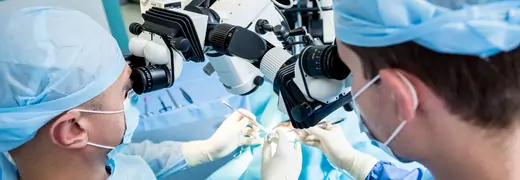
Orthopedics and Traumatology deals with functions, diseases of locomotor system, surgical and preventive treatment of problems caused by injuries of muscles, joints and bones, the components of the locomotor system. Trauma surgery, hand surgery and microsurgery, knee surgery, foot and ankle surgery, spinal surgery, shoulder surgery for treatment of injuries secondary to accidents, arthroplasty in joint disorders, open and laparoscopic arthroscopic surgery, pediatric orthopedics and traumatology procedures as well as orthopedic tumor surgery are performed by specialized surgeons.
What is Orthopedic Surgery?
Orthopedic surgery is a specialized branch of medicine that focuses on diagnosing, treating, preventing, and rehabilitating disorders affecting the musculoskeletal system. This complex system includes bones, joints, ligaments, tendons, muscles, and connective tissues that support body movement and structural stability. Orthopedic surgery becomes necessary when conservative treatments such as physical therapy, medication, injections, or lifestyle modifications fail to relieve symptoms or stop disease progression. These surgical procedures can correct deformities, repair damaged tissues, replace worn joints, and stabilize fractures. Modern orthopedic surgery has evolved significantly with the use of robotic assistance, 3D surgical planning, and minimally invasive techniques that reduce tissue damage and speed up recovery. Orthopedic surgeons carefully evaluate each patient individually, considering age, activity level, and overall health before recommending surgery. The ultimate goal of orthopedic surgery is to restore mobility, eliminate pain, and improve long term physical performance. With advancements in biomaterials and implant technology, orthopedic surgeries now provide longer lasting results and higher patient satisfaction rates compared to previous decades in musculoskeletal treatment history.
What are the Types of Orthopaedic Surgery?
Orthopedic surgery includes a wide range of procedure categories designed to treat specific anatomical regions and medical conditions. Joint replacement surgery, also known as arthroplasty, is one of the most common procedures and involves replacing damaged joint surfaces with artificial implants made of metal, ceramic, or medical grade plastic. Arthroscopic surgery is a minimally invasive procedure that uses small cameras and surgical tools to repair joint damage with minimal tissue disruption. Spinal surgery focuses on conditions such as herniated discs, spinal stenosis, or spinal instability and may include fusion or decompression procedures. Trauma surgery treats fractures, ligament ruptures, and severe accident related injuries requiring urgent intervention. Sports injury surgery addresses tendon injuries, ligament tears, and cartilage damage common among athletes. Pediatric orthopedic surgery treats congenital bone deformities and developmental musculoskeletal disorders. Orthopedic oncology surgery removes tumors affecting bones and surrounding soft tissues. Each type of orthopedic surgery requires highly specialized training, detailed imaging evaluation, and precise surgical planning to ensure optimal patient outcomes and long term structural stability after treatment.
What are the Advantages of Orthopaedic Surgery?
Orthopedic surgery offers multiple clinical and functional benefits for patients suffering from chronic musculoskeletal disorders or severe injuries. The most important advantage is significant pain reduction, especially in patients with advanced arthritis, joint degeneration, or complex fractures. Surgery can restore joint alignment and improve range of motion, allowing patients to return to daily activities and work life more comfortably. Modern surgical techniques reduce hospital stay duration and decrease surgical trauma to surrounding tissues. Many orthopedic procedures now allow faster rehabilitation timelines due to minimally invasive surgical methods. Orthopedic surgery can also prevent disease progression, which is critical in degenerative joint diseases and spinal conditions. In trauma cases, surgical intervention can prevent permanent disability or long term mobility loss. Advanced implant technology improves durability and long term performance of joint replacements. Additionally, surgical treatment can improve psychological well being by reducing chronic pain related stress and improving patient independence. Overall, orthopedic surgery plays a major role in restoring quality of life and maintaining long term physical health and mobility in patients worldwide.
What Happens Before Orthopaedic Surgery?
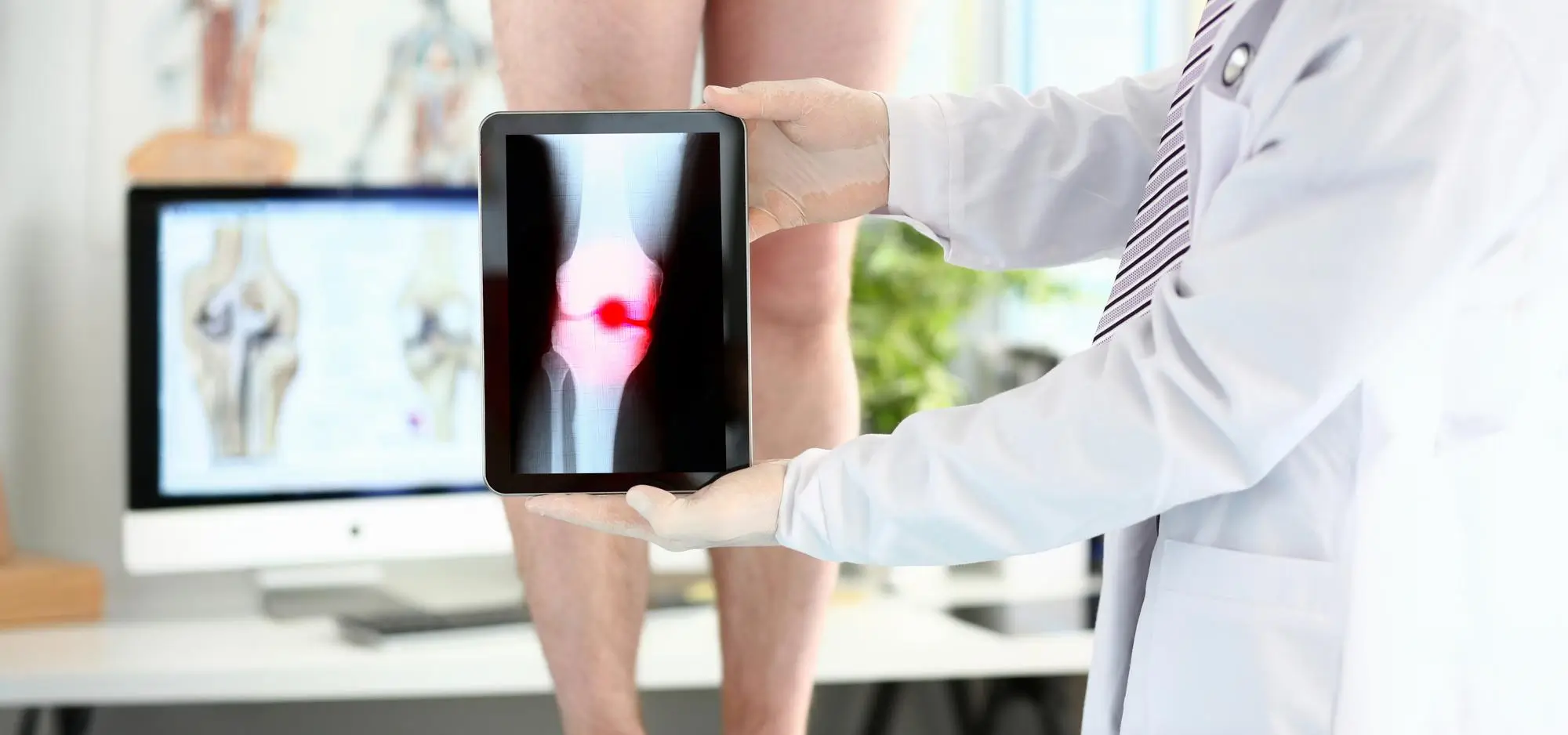
Before orthopedic surgery, patients undergo a comprehensive preoperative evaluation to ensure they are medically prepared for the procedure. This evaluation typically includes physical examination, imaging studies such as X rays, MRI, or CT scans, and laboratory blood tests. In some cases, cardiac evaluation or pulmonary testing may be required depending on patient age and medical history. The orthopedic surgeon reviews current medications, chronic diseases, and previous surgeries. Patients receive detailed instructions regarding fasting, medication adjustments, and smoking or alcohol cessation if necessary. Prehabilitation programs may be recommended to strengthen muscles and improve post surgical recovery outcomes. Patients are informed about surgical risks, potential complications, anesthesia methods, and expected recovery timelines. Psychological preparation is also important because understanding the surgical process reduces anxiety and improves recovery cooperation. Proper preoperative planning significantly reduces surgical complications and improves long term treatment success rates. Patients are encouraged to ask questions and fully understand the procedure before providing informed consent for surgery.
What Happens After Orthopaedic Surgery?
After orthopedic surgery, patients are closely monitored in recovery units to ensure stable vital signs and proper anesthesia recovery. Pain management is initiated immediately using medications or regional anesthesia techniques. Early movement is often encouraged to improve blood circulation and reduce clot formation risk. Physical therapy usually begins within the first days after surgery to restore joint mobility and muscle strength. Patients receive detailed wound care instructions to prevent infection and promote proper healing. Follow up appointments allow surgeons to monitor implant positioning and tissue healing progress. Rehabilitation programs are personalized based on surgery type, patient age, and overall health condition. Some patients may require assistive devices such as crutches or braces temporarily. Nutritional support also plays a major role in tissue healing and recovery speed. Long term success depends heavily on patient compliance with rehabilitation protocols. Structured postoperative care helps patients return safely to daily activities and reduces long term complication risks significantly after orthopedic surgical treatment procedures.
What is the Recovery Time for Orthopaedic Surgery?
Recovery time after orthopedic surgery varies depending on the surgical procedure, patient age, general health status, and rehabilitation participation. Minor arthroscopic procedures may require only a few weeks before patients return to normal daily activities. Joint replacement surgeries typically require several months of rehabilitation for full functional recovery. Spinal surgery recovery may vary widely depending on procedure complexity and nerve involvement. Physical therapy is one of the most important factors influencing recovery success and speed. Patients who actively participate in rehabilitation programs often experience better long term outcomes. Nutrition, sleep quality, and chronic disease management also affect healing speed. Surgeons typically provide personalized recovery timelines based on individual patient progress. Some patients may experience temporary stiffness or weakness during recovery phases. Regular follow up medical evaluations ensure recovery progresses safely and implants function properly. Full recovery often requires patience, structured exercise, and careful adherence to medical guidance during rehabilitation periods following orthopedic surgery procedures.
Orthopedic Surgery Center in Turkey
Turkey has become one of the leading destinations for orthopedic surgery due to its advanced medical infrastructure, internationally trained surgeons, and modern hospital technologies. Many hospitals offer robotic assisted surgery, advanced imaging systems, and minimally invasive surgical techniques. International patients benefit from treatment costs that are significantly lower compared to many Western healthcare systems while maintaining high medical quality standards. Hospitals provide multidisciplinary treatment planning that integrates orthopedic surgeons, physiotherapists, radiologists, and rehabilitation specialists. Many orthopedic centers offer international patient coordination services including translation, travel planning, and accommodation support. High surgical success rates and modern hospital facilities continue to attract patients globally. Orthopedic centers in Turkey provide comprehensive treatment covering trauma surgery, joint replacement, sports injury repair, spinal surgery, and pediatric orthopedic procedures. The combination of experienced surgeons, modern technology, and patient focused treatment approaches makes Turkey a trusted destination for orthopedic surgical care and long term rehabilitation services for international patients seeking advanced treatment options.
What is an Orthopedic Surgeon?
An orthopedic surgeon is a medical doctor who specializes in diagnosing, treating, and surgically managing conditions affecting the musculoskeletal system. After completing medical school, orthopedic surgeons undergo extensive residency training and often complete fellowship programs in specialized fields such as spine surgery, sports medicine, or joint replacement surgery. Orthopedic surgeons treat fractures, ligament injuries, tendon ruptures, arthritis, spinal disorders, and congenital bone deformities. They often collaborate with physiotherapists, pain specialists, and rehabilitation experts to provide comprehensive treatment plans. Orthopedic surgeons also focus on preventive care and non surgical treatment options when surgery is not immediately necessary. Many modern orthopedic surgeons are trained in robotic assisted and minimally invasive surgical techniques. Their primary goal is restoring mobility, reducing pain, and improving patient quality of life through personalized treatment planning. Orthopedic surgeons also contribute to research and innovation in implant design, surgical techniques, and regenerative medicine approaches to improve future musculoskeletal treatment outcomes for patients worldwide.
Orthopedic Surgeon in Turkey
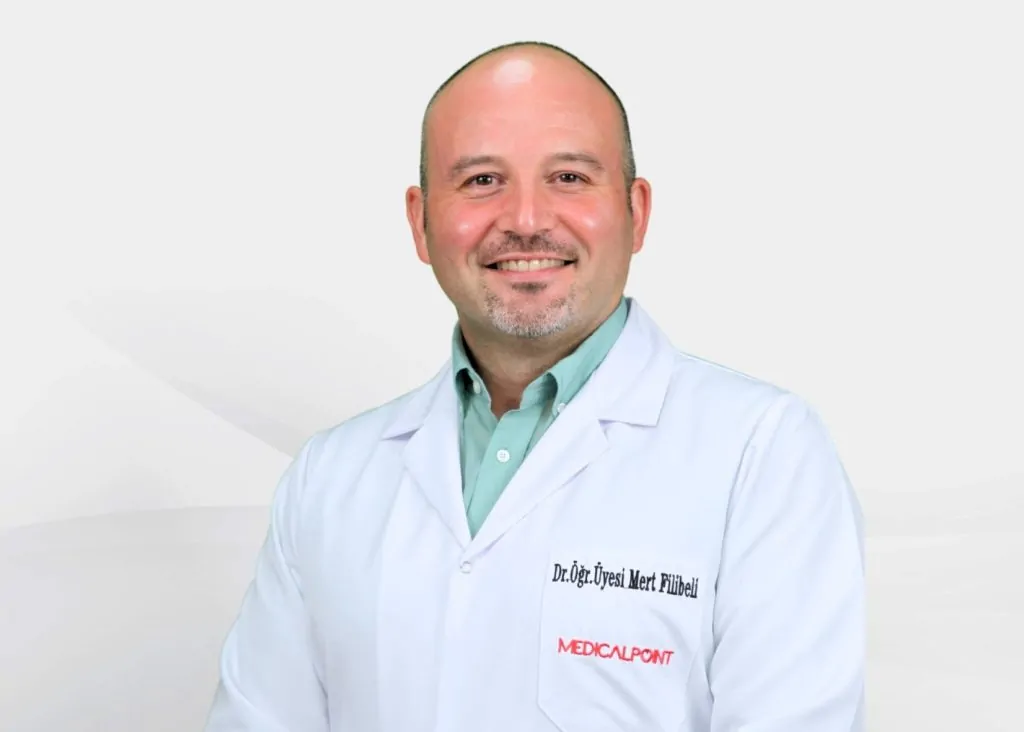
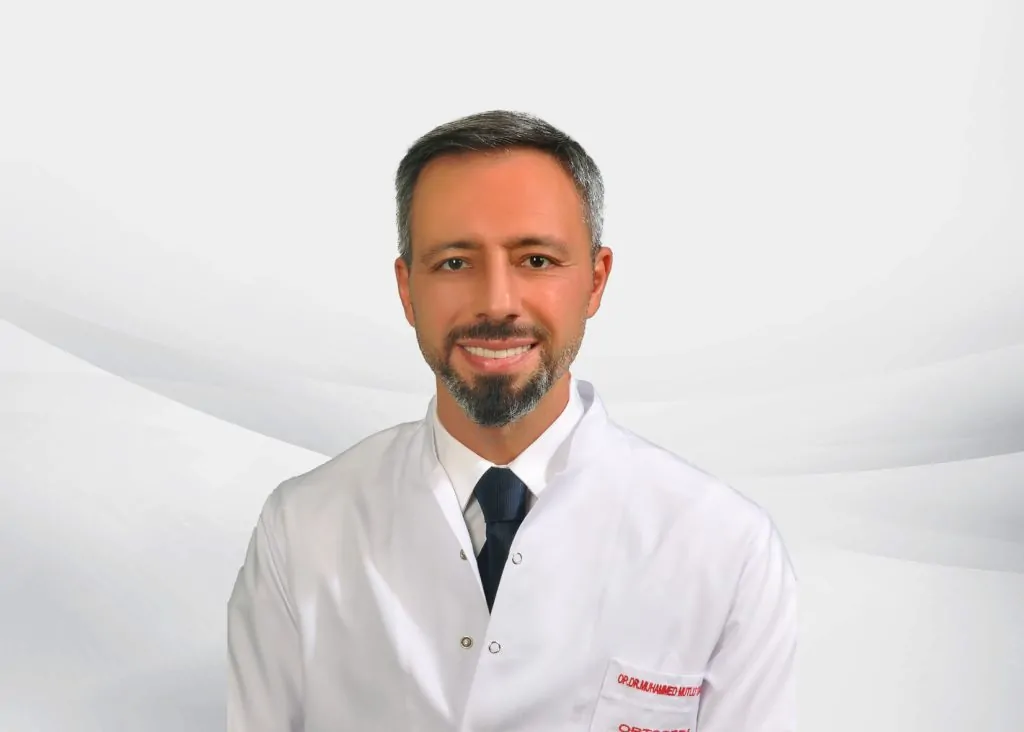
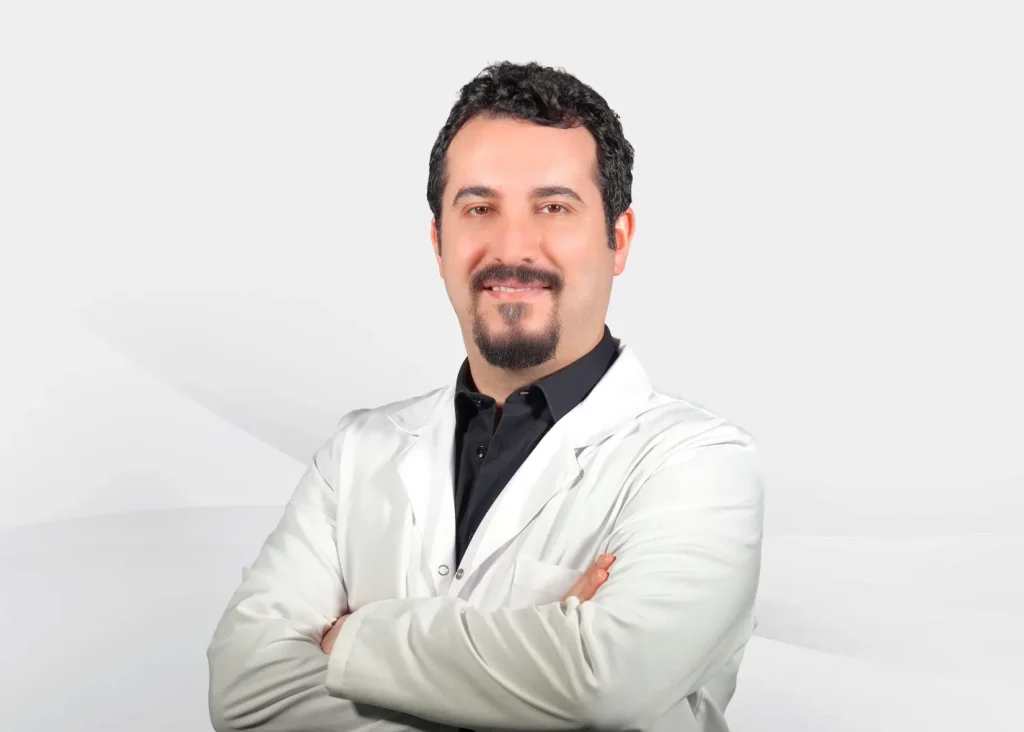
Orthopedic surgeons in Turkey are known for their strong academic training, surgical experience, and international certification standards. Many surgeons receive training in Europe or North America and participate in international orthopedic research collaborations. Hospitals provide multidisciplinary treatment planning for complex musculoskeletal disorders. Patients benefit from advanced operating room technology and high resolution diagnostic imaging systems. Orthopedic surgeons in Turkey treat trauma injuries, sports injuries, degenerative joint diseases, spinal disorders, and congenital orthopedic conditions. International patient departments help foreign patients navigate treatment planning, documentation, and recovery logistics. Many surgeons have extensive experience treating international patients and complex surgical cases. Turkey continues to strengthen its reputation as a global healthcare destination due to high treatment quality and modern healthcare infrastructure. Orthopedic surgeons combine advanced surgical skill with patient centered care models to deliver safe, effective, and long lasting treatment outcomes for both local and international patients seeking orthopedic surgical treatment and rehabilitation.
FAQ
Our department specializes in the diagnosis, treatment, and rehabilitation of musculoskeletal conditions, including:
Joint diseases (arthritis, osteoarthritis, rheumatoid arthritis)
Fractures and traumatic injuries
Spine disorders (herniated disc, scoliosis, spinal stenosis)
Sports injuries
Congenital deformities
Tendon and ligament injuries
Bone infections and tumors
We perform a wide range of orthopedic procedures, including:
Total and partial knee and hip replacements
Arthroscopic surgery for the shoulder, knee, ankle, and wrist
Spine surgery (disc herniation, fusion, decompression)
Fracture fixation and trauma surgery
Correction of congenital and post-traumatic deformities
Ligament reconstruction (ACL, rotator cuff)
Hand and foot surgeries
Yes. Our orthopedic surgeons are highly experienced in arthroscopic and minimally invasive techniques, which result in:
Smaller incisions
Faster recovery
Less pain and scarring
Shorter hospital stays
You should consult an orthopedic doctor if you experience:
Persistent joint or back pain
Limited range of motion or stiffness
Swelling or deformity of a joint or bone
Difficulty walking or bearing weight
Sports or work-related injuries
Recurrent dislocations or instability
Orthopedic trauma care involves the treatment of bone fractures, dislocations, and soft tissue injuries resulting from accidents, falls, or high-impact trauma. Our hospital offers 24/7 emergency orthopedic services with advanced imaging and surgical capabilities.
Yes. Total joint replacement (especially for the hip, knee, or shoulder) is a highly successful treatment for advanced arthritis and joint damage. Our team uses modern prosthetic implants and rapid-recovery protocols to restore mobility and improve quality of life.
Absolutely. We provide both surgical and non-surgical care for athletes and active individuals, including:
Meniscus tears
Ligament injuries (ACL, MCL)
Shoulder dislocations
Tendinitis and bursitis
Rehabilitation programs and return-to-sport planning
Post-operative recovery is supported by our in-house physiotherapy and rehabilitation team, who create customized plans to:
Reduce pain and swelling
Restore strength and mobility
Prevent complications
Support long-term joint health
Yes. Our International Patient Services team assists with:
Pre-arrival case evaluation and online consultation
Travel, visa, and accommodation support
Interpreter services in multiple languages
Comprehensive post-operative follow-up and reports
Video Reviews

Treatment Methods
-
Achilles tear repair
-
Ankle Arthroscopy
-
Anterior cruciate ligament repair
-
Arthroplasty Surgery
-
Arthroscopy rotator cuff diagnosis
-
Cruciate Ligament and Collateral Ligament Surgery
-
Foot Surgery
-
Fracture Surgery
-
Hip Replacement Surgery
-
Joint Ligament Repairs
-
Joint prosthesis
-
Joint Release and Freezing Surgery
-
Knee and Ankle Cartilage Surgery and Mosaicplasty
-
Knee Arthroscopy
-
Knee Joint Prosthesis and Revision
-
Knee prosthesis replacement
-
Knee Surgery
-
Kneecap Dislocation Surgery
-
Meniscus repair
-
O Leg Deformity Correction (Osteotomy)
-
Partial prosthesis placement for hip fractures
-
Plate screw placement
-
PRP And Stem Cell Application
-
Shoulder Replacement Surgery
-
Stem cell applications
-
Surgery for Soft Tissue and Bone Tumors Around the Knee
-
Tendon Transfers
-
Total hip replacement
-
Total knee replacement
-
Trigger finger surgical treatment
-
Wrist Surgery
Why Choose Us?
- Advanced medical technology
- Expert orthopedic surgeons
- Full support from start to finish
- Minimally invasive techniques
- Personalized care and recovery plans
How We Help You?
-
Contact Us
Send us your medical history and test results. Free case evaluation is available.
-
Medical Review
Our specialists create a personalized treatment plan and cost estimate.
-
Travel Support
We help with visas, airport transfers, hotel bookings, and language support.
-
Hospital Care
Receive a full check-up, meet your doctor, and undergo your procedure with the latest techniques.
-
Recovery
Get expert physiotherapy, a custom rehab plan, and follow-up care.
-
Going Home
We provide your medical reports, test results, and contact support for after you return home.
DOCTORS


WHAT WE'RE TALKING ABOUT
Life During and After IVF Treatment: What Patients Should Know

Prostate Cancer Treatment in Turkey

Coronary CT Angiography: Advanced Non-Invasive Imaging for Heart and Coronary Artery Health