
Hip Replacement Surgery
Request Call Back
Overview
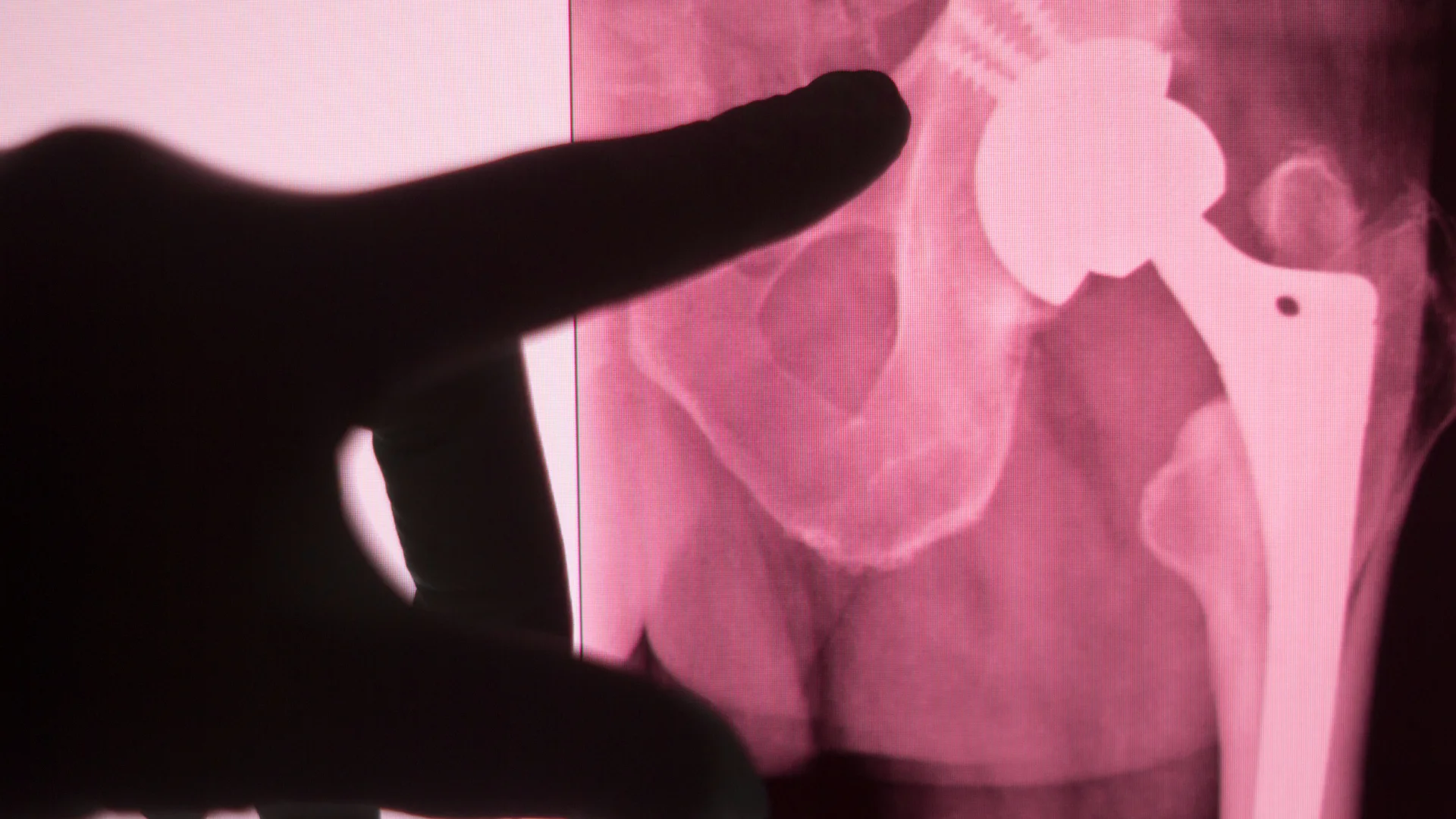
Hip replacement surgery — also known as total hip arthroplasty — is a highly effective orthopedic procedure designed to relieve pain, restore mobility, and improve quality of life. It involves removing damaged sections of the hip joint and replacing them with an artificial joint (prosthesis) made from metal, ceramic, and durable plastic.
At MedicalPoint Hospital, our Orthopedics and Traumatology Department combines advanced surgical techniques, state-of-the-art technology, and personalized rehabilitation programs to help patients return to an active, pain-free lifestyle.
Understanding the Hip Joint
The hip is a ball-and-socket joint:
- Ball: The rounded head of the femur (thigh bone).
- Socket: The acetabulum, a cup-shaped part of the pelvis.
Healthy cartilage covers the joint surfaces, allowing smooth movement. When the cartilage is damaged, the bones rub against each other, causing pain, stiffness, and reduced mobility.
When is Hip Replacement Surgery Recommended?
At MedicalPoint Hospital, hip replacement is typically considered when nonsurgical treatments — such as medication, physiotherapy, lifestyle changes, or joint injections — no longer provide relief.
Common reasons include:
- Osteoarthritis – Age-related cartilage wear.
- Rheumatoid arthritis – Chronic inflammation damaging the joint.
- Post-traumatic arthritis – Following fractures or injuries.
- Avascular necrosis – Bone tissue death due to loss of blood supply.
- Hip fractures – Severe breaks that cannot heal properly without replacement.
Symptoms suggesting the need for hip replacement:
- Persistent hip or groin pain, even at rest.
- Difficulty walking, bending, or climbing stairs.
- Stiffness that limits movement.
- Pain that disrupts sleep or daily activities.
Types of Hip Replacement Surgery
Our orthopedic surgeons select the best approach based on each patient’s anatomy, lifestyle, and medical condition.
1. Total Hip Replacement (THR)
Both the ball (femoral head) and socket (acetabulum) are replaced with prosthetic components.
2. Partial Hip Replacement (Hemiarthroplasty)
Only the ball portion is replaced — often used for certain hip fractures.
3. Hip Resurfacing
A bone-preserving procedure where the femoral head is capped with a smooth metal covering instead of being removed entirely.
The Hip Replacement Procedure at MedicalPoint Hospital
Our surgical process focuses on precision, safety, and long-term results.
Step-by-step:
- Anesthesia – General or spinal anesthesia ensures a pain-free procedure.
- Incision – Access to the hip joint via minimally invasive or traditional methods.
- Removal of Damaged Tissue – Diseased bone and cartilage are carefully removed.
- Implant Placement – A prosthetic cup is placed in the socket; a metal or ceramic ball is attached to a stem inserted into the femur.
- Closure – The incision is closed with sutures or staples, and the area is dressed.
- Recovery – Patients are monitored in our recovery unit with immediate postoperative care.
We use advanced surgical tools, including computer-assisted navigation and robotic guidance, to ensure precise implant positioning and joint stability.
Recovery and Rehabilitation
At MedicalPoint Hospital, recovery starts within hours of surgery. Early mobilization helps speed up healing and reduce complications.
Postoperative care includes:
- Pain Management – Tailored medication plans for comfort.
- Physical Therapy – Gentle exercises to strengthen muscles and restore mobility.
- Walking Aids – Use of walkers or crutches initially for safe movement.
- Patient Education – Guidance on movement techniques to protect the new joint.
Recovery timeline:
- Light activities: 3–6 weeks.
- Driving: Around 4–6 weeks (depending on progress).
- Full recovery: 3–6 months.

Risks and Possible Complications
Hip replacement is generally safe, but like all surgeries, it carries some risks.
Potential complications:
- Infection at the surgical site.
- Blood clots in the leg (deep vein thrombosis).
- Joint dislocation.
- Implant wear or loosening over time.
- Leg length difference (rare).
- Nerve or blood vessel injury (rare).
At MedicalPoint Hospital, strict infection control measures, advanced anesthesia care, and comprehensive follow-up significantly reduce these risks.
Life After Hip Replacement
Most patients enjoy dramatic pain relief and improved mobility after hip replacement. Modern implants can last 15–20 years or longer, especially with proper care.
Long-term recommendations:
- Maintain a healthy weight to reduce joint stress.
- Engage in low-impact activities like swimming, walking, or cycling.
- Avoid high-impact sports that could damage the implant.
- Attend regular follow-up appointments.
Why Choose MedicalPoint Hospital for Hip Replacement?
- Highly Skilled Surgeons – Specialists in advanced joint replacement techniques.
- Cutting-Edge Technology – Including robotic-assisted surgery and computer navigation.
- Comprehensive Rehabilitation – In-house physiotherapy to ensure faster recovery.
- International Patient Care – Multilingual coordinators, VIP services, and tailored travel assistance.
- Patient-Focused Care – Every treatment plan is personalized to meet the patient’s needs and lifestyle goals.
Conclusion
Hip replacement surgery at MedicalPoint Hospital offers a safe, effective, and long-term solution for severe hip pain and mobility problems. With expert surgeons, advanced technology, and a strong rehabilitation program, we help patients return to an active, independent life.
If hip pain is limiting your daily activities, contact our Orthopedics and Traumatology Department today to schedule a consultation and take the first step toward restoring your mobility.
References:
- American Academy of Orthopaedic Surgeons (AAOS). Total Hip Replacement. OrthoInfo.
- Mayo Clinic. Hip Replacement Surgery Overview.
- National Health Service (NHS). Hip Replacement.
WHAT WE'RE TALKING ABOUT

Life During and After IVF Treatment: What Patients Should Know

Prostate Cancer Treatment in Turkey

Coronary CT Angiography: Advanced Non-Invasive Imaging for Heart and Coronary Artery Health