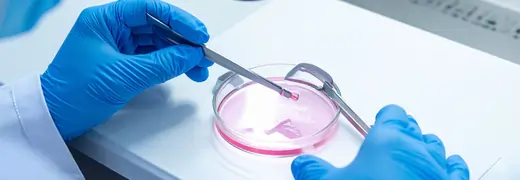
Hand Injuries – Tendon Repair and Microsurgery
Request Call Back
Understanding Hand Injuries
The human hand is one of the most intricate and functionally important structures in the body. It consists of bones, muscles, tendons, nerves, blood vessels, and joints that work together to allow delicate and precise movements. Because of its complex anatomy and constant use in daily life, the hand is particularly vulnerable to traumatic injuries.
Common Types of Hand Injuries:
- Cuts and lacerations: Often caused by sharp objects such as knives, glass, or machinery. These injuries may involve tendons, nerves, or blood vessels.
- Crush injuries: Caused by heavy objects or machinery, often leading to multiple tissue damage.
- Burns: May affect both superficial and deep tissues, sometimes requiring reconstructive surgery.
- Fractures and dislocations: Affect the hand bones and joints, often requiring orthopedic intervention.
- Amputations: Partial or complete loss of fingers or hand segments due to severe trauma.
Hand injuries can result in loss of grip strength, reduced fine motor skills, and permanent disability if not treated appropriately. Even minor injuries can have major consequences because of the hand’s functional importance in daily activities.
Immediate evaluation and intervention by experienced orthopedic or hand surgeons are critical for achieving the best outcomes.
When Is Tendon Repair and Microsurgery Needed?
Tendons are strong, flexible bands that connect muscles to bones, allowing hand and finger movements. A tendon injury typically occurs when these structures are cut or torn, most commonly due to sharp objects or accidents.
Indications for Tendon Repair:
- Flexor or extensor tendon lacerations
- Partial or complete tendon ruptures
- Tendon avulsions (where the tendon is pulled off from the bone)
- Combined injuries involving tendons, nerves, and blood vessels
Tendon repair involves surgically stitching the damaged tendon back together. In many cases, the procedure requires microsurgical techniques, using an operating microscope or surgical loupes. This level of precision is essential because:
- The tendons are very small and close to nerves and blood vessels.
- Precise alignment ensures proper healing and smooth gliding of the tendon.
- Early and accurate repair improves the chance of restoring full function.
Microsurgery is also used when there is nerve or vascular injury accompanying tendon damage. Blood vessels can be reconnected using delicate suturing techniques, and nerve grafting may be performed if needed. In cases of traumatic amputation, reattachment (replantation) of fingers or hand segments is possible with microsurgical reconstruction.
Tendon repairs should ideally be performed as soon as possible after injury. Delays can lead to scarring, tendon retraction, and poorer outcomes.
Treatment Process for Hand Injuries
Effective treatment of hand injuries requires a structured, multidisciplinary approach involving surgery, rehabilitation, and close follow-up.
- Initial Evaluation and Diagnosis
- A detailed physical examination determines which tissues are affected.
- Imaging such as X-rays or ultrasound is used to detect fractures, dislocations, or tendon injuries.
- Neurovascular status (nerve and blood flow) is carefully assessed.
Early and accurate diagnosis is crucial for planning the appropriate surgical strategy.
- Surgical Repair and Microsurgical Techniques
If tendon, nerve, or vascular injury is identified, surgical intervention is performed.
- Tendon repair: The torn or cut tendon is sutured using specialized microsurgical techniques.
- Nerve repair or grafting: Damaged nerves may be directly sutured or reconstructed with a graft.
- Vascular repair: Severed arteries and veins are reconnected to restore circulation.
- Replantation: In cases of amputation, the severed part can often be reattached.
Microsurgical procedures are performed under high magnification, allowing surgeons to repair delicate structures with extreme precision, which is essential for preserving hand function.
- Rehabilitation and Functional Recovery
Rehabilitation plays a critical role in successful recovery.
- In the early postoperative period, controlled passive movements are started to prevent joint stiffness and adhesions.
- As healing progresses, active exercises are introduced under the guidance of a physiotherapist.
- Customized splints may be used to protect the repaired structures during recovery.
- Full recovery may take several weeks to months, depending on the severity of the injury.
Patient adherence to the rehabilitation program is one of the most important factors affecting the long-term functional outcome.
- Advanced Reconstruction and Follow-Up
In complex cases involving amputation or severe tissue damage, reconstructive microsurgery may restore lost function. This can include:
- Tendon grafting or transfers
- Nerve grafting and nerve transfer
- Revascularization procedures
- Secondary functional surgeries
Regular follow-up ensures proper healing, monitors for complications such as tendon adhesions or joint stiffness, and allows timely intervention if needed.
Why Timely Treatment Matters
Delays in diagnosing or treating hand injuries can result in:
- Permanent loss of hand function
- Decreased grip strength and dexterity
- Joint stiffness and tendon adhesions
- Chronic pain or neuropathy
- Psychological impact and reduced quality of life
Early microsurgical intervention combined with structured rehabilitation can restore hand mobility and strength, allowing patients to return to daily activities and work.
Hand Injury and Tendon Repair Expertise at Medical Point International Hospital
At Medical Point International Hospital, we offer:
- Experienced orthopedic and microsurgery specialists trained in advanced hand surgery techniques
- Modern operating rooms with state-of-the-art microsurgical equipment
- Multidisciplinary care involving surgeons, physiotherapists, and rehabilitation experts
- Comprehensive support for international patients
- Personalized rehabilitation programs focused on functional recovery
Our priority is to help patients regain full use of their hands with precision treatment, modern microsurgery, and individualized care.
WHAT WE'RE TALKING ABOUT
Plastic Surgery Recovery: Essential Tips for a Safe Healing Process and Long-Lasting Results
Living with Kidney Failure: Understanding the Condition, Treatment Options, and How to Maintain Your Quality of Life
Pituitary Gland Disorders: Understanding the “Master Gland” of the Endocrine System