Shoulder Replacement Surgery
Request Call Back
Overview
Shoulder replacement surgery — also known as shoulder arthroplasty — is a specialized orthopedic procedure that removes damaged areas of the shoulder joint and replaces them with artificial components made of metal and medical-grade plastic. At MedicalPoint Hospital, our experienced orthopedic surgeons use advanced surgical techniques and personalized care to help patients regain mobility, reduce pain, and improve quality of life.
Understanding the Shoulder Joint
The shoulder is a ball-and-socket joint, designed to allow a wide range of motion.
- The ball is the rounded head of the upper arm bone (humerus).
- The socket is a shallow cavity in the shoulder blade (scapula), called the glenoid.
Ligaments, tendons, and muscles surround this joint, working together to provide stability and movement.
When the joint surfaces become damaged — due to injury, arthritis, or other conditions — it can lead to chronic pain, weakness, stiffness, and loss of function.
When is Shoulder Replacement Surgery Needed?
At MedicalPoint Hospital, our orthopedic specialists recommend shoulder replacement when non-surgical treatments such as medication, physiotherapy, or joint injections no longer provide relief.
Common reasons for surgery include:
- Osteoarthritis – Wear-and-tear degeneration of joint cartilage.
- Rheumatoid arthritis – Autoimmune inflammation leading to cartilage and bone damage.
- Post-traumatic arthritis – Joint damage following a fracture or injury.
- Severe fractures – Especially those involving the humeral head.
- Rotator cuff tear arthropathy – A combination of rotator cuff injury and arthritis.
- Avascular necrosis – Loss of blood supply to the humeral head, causing bone collapse.
Types of Shoulder Replacement Surgery
Our Orthopedics and Traumatology Department offers various surgical techniques tailored to patient needs:
1. Total Shoulder Replacement (Anatomic)
Replaces both the ball and socket of the joint with prosthetic components, mimicking natural anatomy.
2. Reverse Shoulder Replacement
The positions of the ball and socket are switched — ideal for patients with large rotator cuff tears and severe arthritis.
3. Partial Shoulder Replacement (Hemiarthroplasty)
Only the ball (humeral head) is replaced, usually in cases of fractures with an intact socket.
4. Resurfacing Shoulder Arthroplasty
A less invasive option that replaces only the damaged surface of the humeral head.

The Shoulder Replacement Procedure at MedicalPoint Hospital
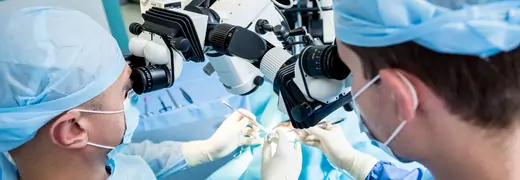
Our surgeries are performed in state-of-the-art operating rooms, ensuring precision and safety.
Steps include:
- Anesthesia – General or regional anesthesia for comfort during the procedure.
- Incision – A carefully planned incision is made over the shoulder.
- Removal of Damaged Tissue – Worn-out cartilage and damaged bone are removed.
- Implant Placement – Metal and polyethylene (plastic) components are fitted into place.
- Closure – The incision is closed with sutures, and the area is dressed to prevent infection.
- Recovery Monitoring – The patient is taken to the recovery room for close observation.
Our surgical team often uses computer-assisted navigation and advanced imaging to ensure optimal implant positioning and long-term function.
Recovery and Rehabilitation
At MedicalPoint Hospital, rehabilitation begins almost immediately after surgery to promote healing and restore motion.
Postoperative care includes:
- Early Movement – Gentle exercises to prevent stiffness.
- Pain Management – Tailored medication plans for comfort.
- Physical Therapy – Gradual strengthening and range-of-motion exercises.
- Follow-up Visits – Regular assessments to monitor progress.
Recovery timelines vary, but most patients can resume light daily activities within 6–8 weeks, with full recovery taking several months.
Risks and Complications
While shoulder replacement is generally safe, potential risks include:
- Infection
- Blood clots
- Implant loosening or wear over time
- Nerve or blood vessel injury (rare)
- Shoulder stiffness or instability
At MedicalPoint Hospital, we maintain strict infection control protocols, advanced surgical techniques, and close monitoring to minimize these risks.
Life After Shoulder Replacement
Most patients enjoy long-term pain relief and improved arm function after surgery. Modern implants can last 15–20 years or longer with proper care.
Lifestyle recommendations include:
- Avoiding high-impact sports or heavy lifting
- Maintaining shoulder strength with regular low-impact exercises
- Following your surgeon’s long-term care instructions
Why Choose MedicalPoint Hospital for Shoulder Replacement?
- Experienced Orthopedic Surgeons – Specialists in advanced joint replacement techniques.
- Cutting-Edge Technology – Robotic-assisted and computer-guided surgery for precision.
- Comprehensive Rehabilitation – In-house physiotherapy programs to support recovery.
- International Patient Services – Multilingual support, VIP transfers, and personalized care plans.
- Patient-Centered Approach – Every treatment is tailored to the individual’s anatomy, lifestyle, and health goals.
Conclusion
Shoulder replacement surgery at MedicalPoint Hospital offers a safe, effective, and lasting solution for patients suffering from severe shoulder pain and loss of function. With advanced surgical technology, expert care, and a focus on rehabilitation, our team helps you return to an active, pain-free life.
If you are considering shoulder replacement, contact our Orthopedics and Traumatology Department today to book a consultation and start your journey toward better mobility.
References:
- American Academy of Orthopaedic Surgeons (AAOS). Shoulder Joint Replacement. OrthoInfo.
- Mayo Clinic. Shoulder Replacement Surgery Overview.
- National Health Service (NHS). Shoulder Replacement.
WHAT WE'RE TALKING ABOUT

Weight Loss and GLP-1 Therapy: A Modern Approach to Sustainable Weight Management
Life During and After IVF Treatment: What Patients Should Know
Prostate Cancer Treatment in Turkey