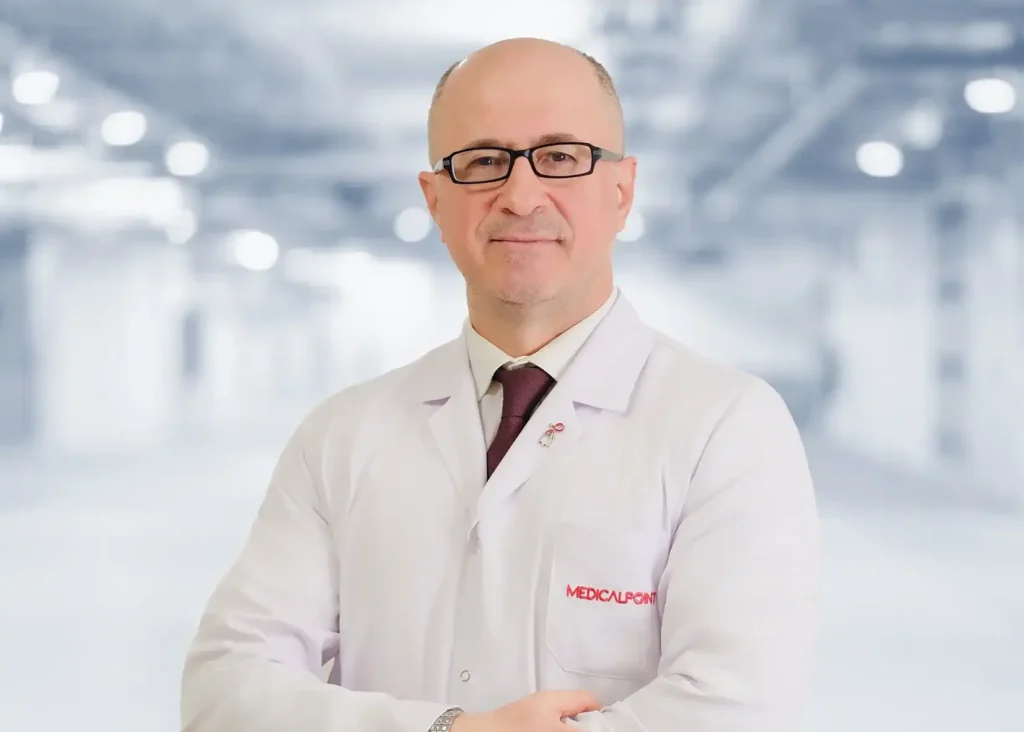
Thoracic Surgical Oncology in Turkey
Request Call Back
Overview
Thoracic surgical oncology is a specialized branch of surgery focused on diagnosing and treating cancers located in the chest cavity. This includes tumors that develop in organs such as the lungs, esophagus, thymus, chest wall, and mediastinum. Thoracic surgical oncologists are highly trained surgeons who specialize in removing cancerous tumors from these areas while preserving vital organs and maintaining respiratory function whenever possible. Because the chest contains critical structures such as the heart, major blood vessels, and airways, thoracic cancer surgery requires exceptional surgical precision and detailed anatomical knowledge. Surgical procedures may involve removing part of a lung (lobectomy), removing the entire lung (pneumonectomy), or excising tumors from the esophagus or mediastinum. In many cases, surgery is combined with other cancer treatments such as chemotherapy, radiation therapy, or immunotherapy as part of a comprehensive treatment plan. Thoracic surgical oncology plays a critical role in improving survival rates and quality of life for patients with thoracic cancers.
The Field of Thoracic Surgical Oncology
The field of thoracic surgical oncology encompasses a wide range of cancers that develop within the thoracic cavity. One of the most common conditions treated in this field is lung cancer, which remains one of the leading causes of cancer-related deaths worldwide. In addition to lung cancer, thoracic surgical oncologists also manage cancers of the esophagus, thymus gland, mediastinum, and chest wall. Each of these cancers requires specialized diagnostic and surgical strategies due to the complex anatomy of the thoracic region. Modern thoracic oncology integrates advanced imaging technologies such as CT scans, PET scans, and endoscopic procedures to accurately locate tumors and determine their stage. Treatment plans are usually developed through a multidisciplinary approach involving thoracic surgeons, medical oncologists, radiation oncologists, radiologists, and pulmonologists. This collaborative approach ensures that each patient receives the most appropriate and effective treatment strategy. The goal is to completely remove tumors when possible while minimizing complications and preserving lung function.
Key Responsibilities of a Thoracic Surgical Oncologist
Thoracic surgical oncologists have a wide range of responsibilities in the management of cancers affecting the chest. Their primary role is to surgically remove tumors located in the lungs, esophagus, mediastinum, or chest wall. However, their work begins long before the operation itself. These specialists evaluate diagnostic imaging, review biopsy results, and assess the patient’s overall health to determine whether surgery is the best treatment option. They also collaborate closely with other oncology specialists to develop individualized treatment plans for each patient. During surgery, thoracic oncologists must carefully navigate delicate structures such as major blood vessels, nerves, and airways. Their expertise ensures that tumors are removed with clear surgical margins while preserving as much healthy tissue as possible. After surgery, they monitor patients during recovery and coordinate postoperative care. This may include follow-up imaging, rehabilitation programs, and additional treatments such as chemotherapy or radiation therapy when necessary.
Thoracic Surgical Oncology Exposures and Techniques
Thoracic surgical oncology utilizes a variety of surgical techniques depending on the type, size, and location of the tumor. Traditional open thoracic surgery, known as thoracotomy, involves making a larger incision in the chest to access the lungs or other thoracic organs. Although this method is still used in complex cases, modern medicine increasingly favors minimally invasive approaches. Techniques such as video-assisted thoracoscopic surgery (VATS) and robotic-assisted thoracic surgery allow surgeons to perform operations through small incisions using specialized instruments and high-definition cameras. These minimally invasive procedures provide several advantages, including less postoperative pain, reduced blood loss, shorter hospital stays, and faster recovery. In addition to tumor removal, thoracic surgeons may perform lymph node dissection to determine whether cancer has spread. Advanced surgical planning and precise techniques help ensure that tumors are removed effectively while minimizing complications and preserving the patient’s respiratory function.
Thoracic Surgical Oncology in Turkey
Turkey has become an increasingly important destination for advanced thoracic cancer surgery due to its modern healthcare infrastructure and highly trained medical professionals. Many hospitals in Turkey are equipped with state-of-the-art surgical technology and experienced thoracic surgeons who specialize in cancer treatment. International patients frequently travel to Turkey for procedures such as lung cancer surgery, esophageal tumor removal, and mediastinal tumor treatment. Turkish medical centers often follow international treatment guidelines and offer multidisciplinary cancer care programs. These programs combine surgery with medical oncology, radiation therapy, and advanced diagnostic services. Patients also benefit from dedicated international patient departments that assist with travel arrangements, accommodation, translation services, and treatment coordination. In addition to high medical standards, Turkey offers relatively shorter waiting times and competitive treatment costs compared with many Western countries. These advantages have made Turkey an attractive option for patients seeking high-quality thoracic cancer treatment abroad.
Thoracic Surgical Oncology at Medical Point
Medical Point provides comprehensive thoracic surgical oncology services using advanced medical technologies and experienced surgical teams. The hospital’s thoracic oncology specialists focus on the diagnosis and treatment of lung cancer, esophageal cancer, mediastinal tumors, and other thoracic malignancies. Treatment plans are developed through a multidisciplinary approach that brings together surgeons, oncologists, radiologists, pulmonologists, and pathology experts. This collaboration ensures that patients receive personalized treatment strategies tailored to their specific condition. Medical Point also utilizes modern minimally invasive techniques such as video-assisted thoracoscopic surgery and robotic-assisted thoracic procedures whenever appropriate. These techniques help reduce surgical trauma, shorten hospital stays, and support faster recovery for patients. International patients benefit from dedicated coordination teams that assist with travel planning, appointment scheduling, and post-treatment follow-up care. By combining advanced technology with experienced medical professionals, Medical Point aims to provide high-quality thoracic cancer care for patients from around the world.
Frequently Asked Questions (FAQ)
What types of cancers are treated in thoracic surgical oncology?
Thoracic surgical oncology focuses on cancers that occur within the chest cavity. The most common cancer treated in this field is lung cancer, which may require procedures such as lobectomy, segmentectomy, or pneumonectomy depending on the tumor’s location and stage. In addition to lung cancer, thoracic surgeons also treat esophageal cancer, which affects the tube connecting the throat to the stomach. Mediastinal tumors, which develop in the central area of the chest between the lungs, are another important category. These may include thymomas or lymphomas that sometimes require surgical removal. Tumors affecting the chest wall or pleura may also be managed by thoracic surgical oncologists. The specific treatment approach depends on several factors including tumor size, cancer stage, and the patient’s overall health. In many cases, surgery is combined with chemotherapy or radiation therapy to achieve the best possible outcome.
When is surgery recommended for lung cancer?
Surgery is typically recommended for lung cancer when the tumor is detected at an early or localized stage and has not spread extensively to other organs. In these cases, removing the tumor surgically offers one of the best chances for long-term survival. The type of surgical procedure depends on the size and location of the tumor. For example, a lobectomy removes one section of the lung, while a pneumonectomy removes an entire lung if the cancer is more extensive. Surgeons may also remove nearby lymph nodes to determine whether the cancer has spread beyond the primary tumor. Before recommending surgery, doctors carefully evaluate the patient’s lung function and overall health to ensure they can safely undergo the procedure. In some cases, surgery may be combined with chemotherapy or radiation therapy to reduce the risk of cancer recurrence.
What is minimally invasive thoracic surgery?
Minimally invasive thoracic surgery refers to surgical techniques that allow surgeons to operate on the chest using small incisions instead of large openings. One of the most common approaches is video-assisted thoracoscopic surgery (VATS), which uses a small camera and specialized instruments inserted through tiny incisions. Another advanced technique is robotic-assisted thoracic surgery, which provides enhanced precision and visualization. These methods offer several advantages compared with traditional open thoracic surgery. Patients usually experience less postoperative pain, lower infection risk, and faster recovery times. Hospital stays are often shorter, and patients can return to normal daily activities sooner. Minimally invasive techniques also reduce scarring and blood loss during surgery. However, not all patients are candidates for these procedures, and the choice of surgical method depends on the tumor type, size, and location as well as the patient’s overall medical condition.
Why do international patients choose Turkey for thoracic cancer surgery?
Many international patients choose Turkey for thoracic cancer surgery because the country offers advanced medical technology and experienced surgical specialists. Turkish hospitals often provide comprehensive oncology programs that combine diagnostic imaging, surgery, chemotherapy, and radiation therapy under one coordinated treatment plan. Another advantage is that many healthcare institutions in Turkey follow international medical standards and employ highly trained surgeons who have experience treating complex cancer cases. International patients also benefit from dedicated support services that help coordinate medical appointments, travel arrangements, accommodation, and translation assistance. These services simplify the treatment process for patients traveling from abroad. Additionally, treatment costs in Turkey are often more affordable compared with many Western countries while maintaining high standards of care. This combination of medical expertise, modern facilities, and patient-centered services makes Turkey an attractive destination for thoracic cancer treatment.
How is thoracic cancer diagnosed before surgery?
Before thoracic cancer surgery is planned, doctors perform a detailed diagnostic evaluation to determine the exact location, type, and stage of the tumor. The process usually begins with imaging tests such as chest X-rays, CT scans, or PET scans, which help doctors visualize abnormal growths in the lungs or surrounding structures. If a suspicious mass is identified, a biopsy is often performed to confirm whether the tissue is cancerous. Biopsies may be done through bronchoscopy, needle biopsy, or minimally invasive surgical procedures. In addition to confirming the diagnosis, doctors also evaluate whether the cancer has spread to lymph nodes or other organs. Pulmonary function tests may also be conducted to assess lung capacity and ensure the patient can safely undergo surgery. All of this information helps the medical team design a personalized treatment strategy that provides the best possible chance of successful cancer treatment.
What is the recovery process after thoracic cancer surgery?
Recovery after thoracic cancer surgery varies depending on the type of operation performed and the overall health of the patient. In minimally invasive procedures such as video-assisted thoracoscopic surgery, recovery is typically faster compared with traditional open surgery. Patients are usually encouraged to begin gentle movement and breathing exercises soon after the procedure to help prevent complications such as pneumonia or blood clots. Hospital stays may range from a few days to about a week, depending on the complexity of the surgery. After discharge, patients continue their recovery at home and gradually return to normal daily activities over several weeks. Follow-up appointments are important to monitor healing and ensure there are no complications. In some cases, additional cancer treatments such as chemotherapy or radiation therapy may be recommended after surgery as part of a comprehensive cancer treatment plan.
What are the risks associated with thoracic cancer surgery?
Like all major surgical procedures, thoracic cancer surgery carries certain risks, although these risks are carefully managed by experienced surgical teams. Potential complications may include bleeding, infection, or reactions to anesthesia. Because thoracic surgery involves organs responsible for breathing, temporary breathing difficulties can sometimes occur after the operation. Surgeons and respiratory therapists closely monitor patients to ensure proper lung function during recovery. In rare cases, complications such as air leaks from the lung or blood clots may develop. However, advances in minimally invasive surgical techniques have significantly reduced the risk of many complications. Careful preoperative evaluation helps determine whether a patient is a good candidate for surgery, and postoperative monitoring ensures that any issues are detected and treated quickly. Overall, when performed by experienced thoracic surgeons, cancer surgery in the chest can be both safe and highly effective in treating localized tumors.
Can thoracic tumors be treated without surgery?
Not all thoracic tumors require surgical treatment, and in some cases non-surgical therapies may be recommended. The choice of treatment depends on factors such as the type of cancer, its stage, and the patient’s general health condition. For certain patients, chemotherapy or radiation therapy may be used as the primary treatment. These therapies can shrink tumors or slow cancer progression, particularly when surgery is not possible. Targeted therapy and immunotherapy have also become important treatment options for specific types of thoracic cancers, especially lung cancer. In some situations, doctors may recommend a combination of treatments, where chemotherapy or radiation is used before surgery to shrink the tumor or after surgery to eliminate remaining cancer cells. A multidisciplinary oncology team carefully evaluates each patient to determine the most appropriate treatment plan. The goal is always to achieve the best possible outcome while maintaining the patient’s quality of life.
Other Conditions

What is a Herniated Disk?

Hip Replacement Surgery in Turkey

Scoliosis (Spinal Curvature): Causes, Symptoms, and Treatment

What Is Rheumatoid Arthritis
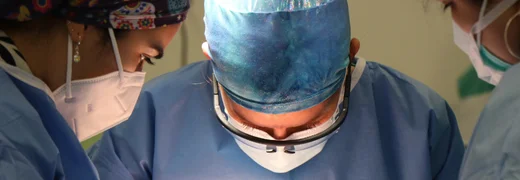


Oncology Center
At the Oncology Center of MedicalPoint, we provide comprehensive, multidisciplinary cancer care using the latest diagnostic and treatment technologies. Our expert team of oncologists, surgeons, radiologists, and support staff are committed to delivering personalized treatment plans tailored to each patient’s unique condition. We combine medical excellence with compassionate care in a patient-centered environment designed for healing and hope.