Life During Cancer Treatment
Request a Free Medical Opinion
Overview
Life during cancer treatment is a complex and deeply personal experience that affects patients physically, emotionally, and socially. While medical treatments such as chemotherapy, radiation therapy, immunotherapy, or surgery aim to control or eliminate cancer, they can also significantly impact daily routines and overall well-being. Many patients experience fatigue, appetite changes, sleep disturbances, and emotional fluctuations during treatment. Managing these challenges requires a structured approach that includes medical support, lifestyle adjustments, and psychological resilience. Patients often need to balance treatment schedules with rest, nutrition, and light physical activity to maintain strength. Support from family members, caregivers, and healthcare professionals plays a crucial role in helping individuals cope with these changes. Maintaining a sense of normalcy, even in small ways, can improve mental well-being during this period. Understanding what to expect and preparing for potential challenges can empower patients to navigate treatment more effectively.
Physical Changes During Cancer Treatment
Cancer treatment often leads to various physical changes that can affect a patient’s daily life and comfort. Common side effects include fatigue, nausea, hair loss, weakened immune function, and changes in appetite or weight. These effects vary depending on the type of treatment and individual response. Fatigue is one of the most frequently reported symptoms and may persist even with adequate rest. Patients may also experience sensitivity to infections due to suppressed immune function, making hygiene and preventive care especially important. Skin changes, mouth sores, and digestive issues are also common during certain therapies. Managing these physical changes requires close communication with healthcare providers, who can recommend medications or supportive therapies to reduce discomfort. Gentle physical activity, such as short walks, may help improve energy levels and circulation. Proper hydration and balanced nutrition are essential for supporting the body during treatment and aiding recovery.
Emotional and Psychological Well-being
Emotional health is a critical component of life during cancer treatment, as patients often experience anxiety, stress, or feelings of uncertainty. A cancer diagnosis and the ongoing treatment process can be overwhelming, leading to emotional fluctuations that may affect daily functioning. Some individuals may experience depression, fear of treatment outcomes, or concerns about their future and family responsibilities. It is important for patients to acknowledge these emotions and seek support when needed. Psychological counseling, support groups, and communication with loved ones can help individuals cope with emotional challenges. Many hospitals provide psycho-oncology services that focus specifically on the mental health of cancer patients. Practicing relaxation techniques such as meditation, deep breathing exercises, or mindfulness can also help reduce stress levels. Maintaining social connections and engaging in enjoyable activities, when possible, can provide emotional relief and improve overall quality of life during treatment.
Nutrition During Cancer Treatment
Proper nutrition plays a vital role in supporting the body during cancer treatment. Many patients experience changes in appetite, taste, or digestion, which can make maintaining a balanced diet challenging. However, adequate nutrition is essential for maintaining strength, supporting immune function, and helping the body recover from treatment side effects. A well-balanced diet should include proteins, healthy fats, vitamins, and minerals to support tissue repair and energy levels. In some cases, patients may require dietary adjustments depending on their treatment plan or side effects. For example, individuals experiencing nausea may benefit from smaller, more frequent meals, while those with mouth sores may need softer foods. Hydration is also crucial, as it helps maintain bodily functions and prevents complications such as dehydration. Consulting with a clinical nutritionist can help patients develop a personalized dietary plan that meets their specific needs during treatment.
Managing Side Effects of Cancer Treatment
Managing side effects effectively is essential for maintaining quality of life during cancer treatment. Side effects vary depending on the type of therapy but may include fatigue, nausea, pain, and changes in sleep patterns. Medical teams often provide medications and supportive care strategies to help minimize these effects. For example, anti-nausea medications can help control gastrointestinal discomfort, while pain management plans can improve overall comfort. Patients are encouraged to communicate openly with their healthcare providers about any symptoms they experience so that adjustments can be made promptly. Lifestyle strategies such as maintaining a consistent sleep schedule, engaging in light physical activity, and practicing stress-reduction techniques can also help manage side effects. Keeping a symptom diary may be useful for tracking changes and identifying patterns. By actively managing side effects, patients can improve their daily functioning and better tolerate ongoing cancer treatments.
Daily Activities and Lifestyle Adjustments
Adjusting daily routines is often necessary during cancer treatment to accommodate physical and emotional changes. Patients may need to modify their work schedules, household responsibilities, and social activities based on their energy levels and treatment requirements. Prioritizing rest and allowing time for recovery between treatments is essential. At the same time, maintaining a certain level of activity can help prevent deconditioning and support mental well-being. Simple activities such as walking, light stretching, or engaging in hobbies can provide a sense of normalcy. It is important for patients to listen to their bodies and avoid overexertion. Planning daily activities in advance and setting realistic goals can help manage expectations and reduce stress. Support from family members and caregivers can also ease the burden of daily responsibilities, allowing patients to focus on their health and recovery.
Support Systems and Caregiving
A strong support system plays a crucial role in helping patients cope with cancer treatment. Family members, friends, and caregivers provide emotional support, assist with daily tasks, and help patients navigate the challenges of treatment. In addition to personal support networks, healthcare teams offer valuable guidance and resources throughout the treatment process. Many hospitals provide access to social workers, counselors, and patient support programs that address both practical and emotional needs. Support groups, whether in person or online, can connect patients with others who are going through similar experiences. Sharing experiences and coping strategies can help reduce feelings of isolation and provide encouragement. Caregivers also play an important role and may require support themselves to manage the demands of caregiving. Effective communication between patients, caregivers, and healthcare providers ensures that all aspects of care are addressed comprehensively.
Medical Care and Follow-Up
Ongoing medical care and regular follow-up appointments are essential components of cancer treatment. These visits allow healthcare providers to monitor the patient’s response to treatment, manage side effects, and adjust therapy plans as needed. Diagnostic tests such as blood work or imaging studies may be performed periodically to evaluate progress. Follow-up care also provides an opportunity to address any concerns or symptoms that arise during treatment. Patients are encouraged to actively participate in their care by asking questions and discussing their treatment goals with their medical team. Adhering to prescribed medications and attending scheduled appointments are important for achieving the best possible outcomes. In some cases, additional therapies may be introduced based on the patient’s response to initial treatment. Continuous medical supervision helps ensure that treatment remains effective and aligned with the patient’s overall health needs.
Life After Treatment and Recovery
Life after cancer treatment involves a period of recovery and adjustment as the body heals and patients gradually return to their normal routines. Recovery time varies depending on the type and intensity of treatment, as well as the individual’s overall health. Some patients may continue to experience lingering side effects such as fatigue or reduced stamina. Rehabilitation programs, including physical therapy and nutritional support, can help improve strength and overall well-being. Emotional recovery is also important, as patients may experience anxiety about recurrence or changes in their lifestyle. Regular follow-up appointments remain essential to monitor long-term health and detect any potential recurrence early. Many individuals find that adopting healthier lifestyle habits, such as balanced nutrition and regular exercise, supports long-term recovery. With appropriate medical care and support, patients can gradually rebuild their quality of life and regain confidence after completing treatment.
Frequently Asked Questions (FAQ)
How can I manage fatigue during cancer treatment?
Fatigue is one of the most common side effects experienced during cancer treatment and can significantly affect daily life. Managing fatigue requires a balanced approach that includes rest, nutrition, and physical activity. Patients are encouraged to prioritize sleep and maintain a consistent sleep schedule to support energy levels. Short naps during the day may help, but excessive daytime sleeping can disrupt nighttime rest. Light physical activity, such as walking or gentle stretching, can actually improve energy levels rather than worsen fatigue. Proper nutrition and hydration also play a key role in maintaining stamina. It is important to listen to the body and avoid overexertion while still staying moderately active. Consulting healthcare providers about fatigue management strategies can help tailor an approach that fits individual needs.
What should I eat during cancer treatment?
Nutrition during cancer treatment should focus on providing the body with essential nutrients needed for healing and maintaining strength. A balanced diet that includes proteins, whole grains, fruits, vegetables, and healthy fats is generally recommended. Protein is especially important for tissue repair and immune function. Patients experiencing side effects such as nausea or loss of appetite may benefit from smaller, more frequent meals. Hydration is also essential to prevent dehydration and support overall bodily functions. In some cases, dietary adjustments may be necessary based on specific treatment-related side effects. Consulting with a nutrition specialist can help develop a personalized meal plan that meets individual needs and preferences.
Is it normal to feel emotional during cancer treatment?
Yes, experiencing emotional changes during cancer treatment is completely normal. Patients may feel anxiety, fear, sadness, or uncertainty as they cope with diagnosis and treatment. These emotional responses are a natural reaction to a challenging situation. Seeking support from family members, friends, or mental health professionals can help individuals process their feelings. Support groups and counseling services provide a safe space to share experiences and receive encouragement. Practicing stress-reduction techniques such as mindfulness or relaxation exercises may also help manage emotional challenges. Addressing emotional well-being is an important part of overall cancer care.
Can I continue working during cancer treatment?
Whether a patient can continue working during cancer treatment depends on the type of treatment, its side effects, and the individual’s overall health. Some patients are able to maintain part-time or flexible work schedules, while others may need to take time off to focus on recovery. Fatigue, frequent medical appointments, and physical side effects can make full-time work challenging. Employers may offer accommodations such as remote work or adjusted schedules. It is important for patients to communicate openly with their healthcare providers and employers to determine what is manageable. Prioritizing health and recovery should always come first during treatment.
How can I reduce treatment side effects?
Reducing treatment side effects involves a combination of medical support and lifestyle adjustments. Doctors may prescribe medications to manage symptoms such as nausea, pain, or sleep disturbances. Maintaining a healthy routine that includes balanced nutrition, hydration, and light physical activity can also help reduce the impact of side effects. Stress management techniques such as meditation or breathing exercises may improve overall well-being. Patients should report any new or worsening symptoms to their healthcare team so that appropriate interventions can be implemented. Early management of side effects helps improve comfort and treatment tolerance.
Is exercise safe during cancer treatment?
In many cases, light to moderate exercise is safe and beneficial during cancer treatment. Physical activity can help reduce fatigue, improve mood, and support overall physical function. However, exercise routines should be adapted based on the patient’s condition and energy levels. Activities such as walking, yoga, or gentle stretching are often recommended. It is important to avoid overexertion and listen to the body’s signals. Consulting with a healthcare provider before starting or continuing an exercise program ensures that it is appropriate and safe for the individual’s situation.
How important is mental health during cancer treatment?
Mental health is extremely important during cancer treatment because emotional well-being directly affects physical recovery and quality of life. Stress, anxiety, and depression can impact energy levels, sleep patterns, and overall motivation. Addressing mental health through counseling, support groups, or relaxation techniques can improve coping abilities. Many healthcare institutions offer psycho-oncology services specifically designed to support cancer patients. Maintaining social connections and engaging in enjoyable activities can also help improve emotional resilience. A holistic approach that includes both physical and emotional care leads to better outcomes during treatment.
What happens after cancer treatment ends?
After cancer treatment ends, patients enter a recovery and follow-up phase that focuses on monitoring health and preventing recurrence. Regular medical check-ups and diagnostic tests are conducted to evaluate the patient’s condition. Some individuals may continue to experience lingering side effects that gradually improve over time. Rehabilitation programs may be recommended to restore strength and function. Emotional adjustment is also part of the recovery process, as patients adapt to life after treatment. Adopting a healthy lifestyle, including proper nutrition and regular exercise, supports long-term well-being. Continuous medical follow-up ensures early detection of any potential issues.
Other Conditions

What is a Herniated Disk?

Hip Replacement Surgery in Turkey

Scoliosis (Spinal Curvature): Causes, Symptoms, and Treatment

What Is Rheumatoid Arthritis
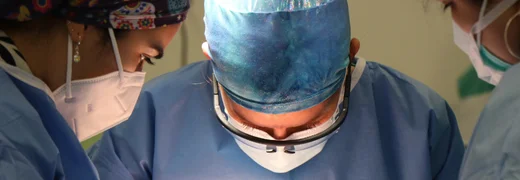


Oncology
At the Oncology Center of MedicalPoint, we provide comprehensive, multidisciplinary cancer care using the latest diagnostic and treatment technologies. Our expert team of oncologists, surgeons, radiologists, and support staff are committed to delivering personalized treatment plans tailored to each patient’s unique condition. We combine medical excellence with compassionate care in a patient-centered environment designed for healing and hope.