
Rheumatology:
Connective Tissue Diseases
Get Free Medical Opinion
Overview
Rheumatology is a branch of medicine that deals with the diagnosis and treatment of musculoskeletal diseases and systemic autoimmune conditions called rheumatic diseases.
In our clinic, more than 200 diseases are successfully treated by our rheumatologists, including diseases such as Rheumatoid arthritis, Systemic Lupus Erythematosus, Sjögren Syndrome, Ankylosing Spondylitis, Gout, Vasculitis, Behçet’s Disease, FMF, as well as soft tissue disorders such as Fibromyalgia, back pain, and diseases affecting the bones such as Osteoporosis.
Rheumatic diseases are mostly inflammatory and autoimmune. Most rheumatic diseases, which are thought to be caused by a complex combination of genetic predisposition and environmental factors, are chronic.
In addition to blood (genetic/autoantibody) and urine tests, imaging tests that examine organ functions and, if necessary, biopsy examinations are required for the diagnosis of the disease.
Treatment Methods
Our physicians plan the appropriate treatment by considering the severity and prevalence of rheumatic disease, the patient’s age, additional diseases and allergies. Non-drug measures and recommendations and lifestyle changes are an important part of the treatment as complements to drug therapy. Our patients are provided with detailed explanations on these issues.

FAQ
Rheumatology is a medical specialty that focuses on the diagnosis and treatment of autoimmune, inflammatory, and musculoskeletal diseases, particularly those affecting joints, muscles, bones, and connective tissue.
Connective tissue diseases are a group of autoimmune disorders where the body’s immune system attacks its own tissues, affecting joints, skin, blood vessels, and internal organs. These conditions often involve chronic inflammation, pain, and systemic symptoms.
We manage a wide spectrum of rheumatologic and connective tissue conditions, including:
Rheumatoid arthritis
Systemic lupus erythematosus (SLE)
Ankylosing spondylitis
Sjögren’s syndrome
Scleroderma (systemic sclerosis)
Polymyositis and dermatomyositis
Psoriatic arthritis
Vasculitis
Gout and crystal arthropathies
Behçet’s disease
Fibromyalgia
Symptoms may vary depending on the condition but can include:
Joint pain, stiffness, or swelling
Fatigue and low-grade fever
Skin rashes or photosensitivity
Mouth or eye dryness
Muscle weakness or pain
Raynaud’s phenomenon (fingers turning white or blue in cold)
Digestive or lung issues
Early diagnosis is essential to prevent joint damage and organ involvement.
Diagnosis typically involves a combination of:
Detailed medical history and physical examination
Blood tests (e.g., ANA, RF, anti-dsDNA, ESR, CRP)
Imaging (X-ray, MRI, ultrasound) to assess joint and tissue damage
Biopsy or specialized immunological tests when needed
Most of these diseases are chronic but manageable. While there may not be a complete cure, early diagnosis and advanced treatments can significantly control symptoms, prevent complications, and improve quality of life.
Our treatment approach is personalized and multidisciplinary, including:
Anti-inflammatory and immunosuppressive medications
Biologic therapies (e.g., anti-TNF, IL inhibitors)
Physical and occupational therapy
Pain management
Lifestyle guidance and nutritional support
Regular monitoring of disease activity and side effects
Yes. We collaborate with our Physical Medicine & Rehabilitation Department to provide customized programs to help manage stiffness, pain, and mobility limitations associated with chronic rheumatic diseases.
Pediatric rheumatologic cases are evaluated by our specialized pediatric rheumatology and immunology team, ensuring age-appropriate diagnosis and treatment.
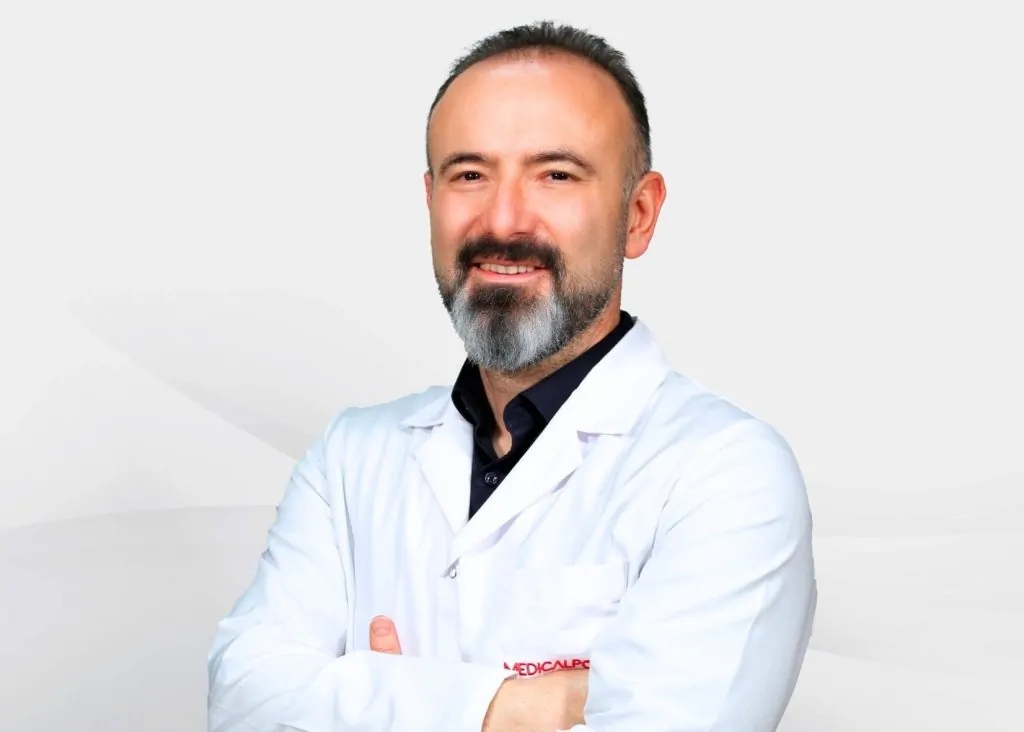
DOCTORS

WHAT WE'RE TALKING ABOUT

Living with Fibromyalgia: Practical Ways to Reduce Pain, Improve Energy, and Regain Quality of Life

Weight Loss and GLP-1 Therapy: A Modern Approach to Sustainable Weight Management

Life During and After IVF Treatment: What Patients Should Know