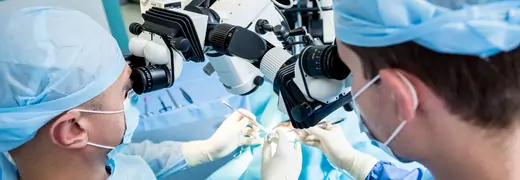
Thyroid Surgery: Indications, Procedure, and Recovery
Request Call Back
What Is Thyroid Surgery?
Thyroid surgery is a specialized medical procedure performed to remove part or all of the thyroid gland, a butterfly-shaped organ located at the front of the neck. The thyroid plays an essential role in regulating metabolism, energy production, body temperature, heart rate, and hormonal balance through the production of T3 (triiodothyronine) and T4 (thyroxine).
Thyroid surgery is typically performed by experienced endocrine or head-and-neck surgeons and is usually carried out under general anesthesia. Depending on the specific condition being treated, the procedure may involve removing a single thyroid lobe, most of the gland, or the entire thyroid.
The primary goals of thyroid surgery include:
Removing abnormal tissue such as thyroid nodules, goiters, or tumors
Treating thyroid cancer or highly suspicious lesions
Preventing structural complications like airway obstruction
Restoring or supporting normal thyroid hormone function
Managing hyperthyroidism that cannot be controlled with medication
As a well-established treatment option, thyroid surgery offers significant long-term benefits for patients with structural or functional thyroid disorders, helping improve quality of life and reduce the risk of disease progression or complications.
When Is Thyroid Surgery Needed?
Thyroid surgery is recommended after a thorough clinical evaluation that may include physical examination, blood tests, ultrasound imaging, fine-needle aspiration (FNA), CT/MRI scans, and multidisciplinary case discussions. Doctors consider surgery when non-surgical treatments are ineffective or when there is a risk of malignancy or structural complications.
1. Thyroid Nodules
Thyroid nodules are one of the most common reasons for surgical intervention. While many nodules are benign, some may require removal due to:
Rapid growth or significant size
Suspicious ultrasound features
Abnormal or inconclusive FNA biopsy results
Cosmetic concerns related to visible neck swelling
Symptoms such as difficulty swallowing or a sensation of pressure
Nodules that are likely to be cancerous or those that compress nearby structures often require surgical excision.
2. Thyroid Cancer
Surgery is the mainstay of treatment for most forms of thyroid cancer, including:
Papillary thyroid carcinoma
Follicular thyroid carcinoma
Medullary thyroid carcinoma
Anaplastic thyroid carcinoma (selected cases)
Depending on the cancer type and stage, surgeons may recommend total thyroidectomy or lobectomy. Early surgical treatment significantly improves long-term survival and reduces recurrence risks.
3. Goiter (Thyroid Enlargement)
Large or multinodular goiters can cause:
Difficulty breathing
Difficulty swallowing
Voice changes
Visible neck swelling
Compression of the trachea or esophagus
Goiters associated with hyperthyroidism, such as toxic multinodular goiter or Graves’ disease, may also require surgery when medication or radioactive iodine therapy is ineffective or contraindicated.
4. Hyperthyroidism
Surgery may be indicated for:
Graves’ disease unresponsive to medication
Drug intolerance or severe side effects
Patients who prefer a definitive surgical solution
Hyperfunctioning nodules causing excessive hormone production
5. Compressive Symptoms or Structural Concerns
When thyroid enlargement or nodules press on nearby structures—such as the airway or esophagus—surgery is often the safest and most effective treatment.
Types of Thyroid Surgery
The appropriate surgical technique depends on disease severity, risk of cancer, and patient-specific factors.
1. Lobectomy (Hemithyroidectomy)
This procedure involves removing one lobe of the thyroid. It is often recommended for:
Single suspicious nodules
Localized disease affecting one side of the gland
Small, low-risk thyroid cancers
Many patients undergoing lobectomy retain normal hormone function and do not require lifelong thyroid hormone replacement.
2. Total Thyroidectomy
The entire thyroid gland is removed. This approach is commonly used for:
Thyroid cancer
Bilateral nodular disease
Graves’ disease
Large multinodular goiters
Recurrent thyroid disease
After total thyroidectomy, lifelong thyroid hormone replacement therapy is required.
3. Subtotal or Near-Total Thyroidectomy
Most of the gland is removed, leaving only a small portion to help preserve hormone function. This option may be considered for:
Benign, large goiters
Patients who may benefit from partial gland preservation
The decision between these approaches is made based on medical guidelines and individualized patient assessments to ensure the best possible outcomes.
How Thyroid Surgery Is Performed
Although surgical specifics may vary, thyroid surgery generally follows these steps:
General anesthesia is administered.
A small incision is made at the base of the neck.
The surgeon carefully exposes the thyroid gland while protecting surrounding structures.
Important nerves—especially the recurrent laryngeal nerve, which controls vocal cords—are identified and preserved.
The required portion of the gland is removed.
Parathyroid glands are protected to maintain calcium balance.
The incision is closed with fine sutures to promote optimal cosmetic results.
Many patients return home within 24 hours, depending on the surgery type and recovery progress.
What to Expect After Thyroid Surgery
Recovery is generally smooth but varies depending on the type of surgery performed and individual health factors.
1. Immediate Postoperative Symptoms
It is common to experience:
Mild throat pain due to anesthesia or intubation
Hoarseness or temporary voice changes
Neck discomfort or tightness
Fatigue for several days
These symptoms typically improve within a week.
2. Potential Complications
While complications are rare—especially when surgery is performed by experienced endocrine surgeons—they may include:
Hypocalcemia
Occurs if the parathyroid glands are temporarily affected
Symptoms: numbness, tingling in hands or lips, muscle cramps
Managed with calcium and vitamin D supplements
Recurrent Laryngeal Nerve Injury
Can cause prolonged hoarseness
Permanent injury is extremely rare
Often resolves spontaneously over time
Bleeding or Infection
Very uncommon
May require urgent medical evaluation if symptoms occur
Regular monitoring ensures early detection and management of these rare events.
3. Thyroid Hormone Replacement
Patients who undergo total thyroidectomy will require lifelong levothyroxine therapy. This medication replaces natural thyroid hormone production and helps maintain:
Metabolic balance
Heart and brain function
Body temperature regulation
Energy levels
TSH levels are checked periodically to ensure the correct dosage.
4. Follow-Up Care
Follow-up typically includes:
Physical examinations
Blood tests (TSH, T4, calcium levels)
Ultrasound imaging if needed
Monitoring for recurrence in cancer patients
Medication dose adjustments
Long-term follow-up is essential for maintaining stable hormone levels and ensuring optimal recovery.
Benefits of Thyroid Surgery
Thyroid surgery provides several important long-term advantages:
Effective removal of thyroid cancer or suspicious nodules
Relief of compressive symptoms such as difficulty breathing
Normalization of hormone levels in selected cases
Reduced risk of future complications from large goiters
Improved quality of life and cosmetic appearance
High success rates with low complication risks
Advances in surgical techniques have made thyroid surgery safer, less invasive, and associated with faster recovery times.
Conclusion
Thyroid surgery is a safe, reliable, and effective treatment for a wide range of thyroid conditions including nodules, goiters, hyperthyroidism, and thyroid cancer. When performed by skilled specialists, it offers excellent long-term outcomes, symptom relief, and improved quality of life.
At Medical Point Hospital, our endocrine surgeons provide comprehensive evaluation, advanced surgical planning, and dedicated postoperative care to ensure optimal recovery. Early diagnosis and timely treatment are essential for preventing complications and achieving the best health outcomes.
Individuals experiencing symptoms such as neck swelling, difficulty swallowing, voice changes, or abnormal thyroid hormone levels are encouraged to consult our thyroid specialists for personalized assessment and treatment options.
WHAT WE'RE TALKING ABOUT

Weight Loss and GLP-1 Therapy: A Modern Approach to Sustainable Weight Management
Life During and After IVF Treatment: What Patients Should Know

Prostate Cancer Treatment in Turkey