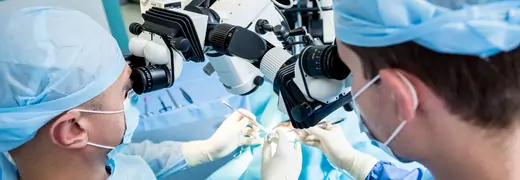
TAVI Treatment
Request Call Back
TAVI (Transcatheter Aortic Valve Implantation) is a minimally invasive procedure used to treat aortic valve disease, particularly aortic stenosis. Unlike traditional open-heart surgery, TAVI involves replacing the aortic valve via a catheter, typically inserted through the groin. The new valve is guided to the heart and positioned within the existing valve, restoring normal blood flow and improving heart function.
TAVI is especially beneficial for patients who are high-risk candidates for open-heart surgery due to age, comorbidities, or other medical conditions. The procedure can be performed under local anesthesia with sedation, and recovery time is often shorter than traditional surgery.
When Is TAVI Considered?
TAVI is primarily considered for patients with severe aortic stenosis who are not suitable candidates for open-heart surgery. Aortic stenosis occurs when the aortic valve narrows, restricting blood flow from the heart to the body. This condition can lead to:
- Heart failure
- Shortness of breath
- Palpitations
- Fainting episodes
As the stenosis progresses, the heart muscle works harder, potentially causing permanent damage if left untreated.
TAVI is particularly recommended for:
- Elderly patients or those with frail health
- Patients with additional comorbidities or high surgical risk
- Individuals with reduced tolerance to general anesthesia
- Patients with other cardiovascular complications
By restoring proper blood flow, TAVI can significantly improve quality of life and reduce the risk of complications associated with severe aortic stenosis.
Pre-Procedure and Procedure Details
Before TAVI, patients undergo thorough evaluation including:
- Medical history review and physical examination
- Blood tests and electrocardiogram (ECG)
- Echocardiography and coronary angiography to assess valve function and heart condition
The procedure is usually performed under local anesthesia with sedation, and patients experience minimal discomfort. The catheter is inserted through the groin or sometimes the neck and guided to the heart. The new valve is deployed within the old, diseased valve, restoring blood flow. The procedure typically lasts 1–2 hours.
Post-Procedure Care and Recovery
After TAVI, patients are usually monitored in the hospital for a few days. Key post-procedure considerations include:
- Continuous monitoring of heart rhythm and blood pressure
- Protecting the insertion site and limited movement for several hours
- Expectation of mild pain, bruising, or swelling at the access site
- Avoiding heavy physical activity during the initial recovery period
- Regular follow-up visits to monitor heart function and valve performance
- Use of anticoagulant medications to prevent blood clots and ensure proper valve function
Most patients can return home within a few days, and long-term outcomes are excellent when proper monitoring and lifestyle modifications are followed.
Benefits of TAVI
TAVI offers several advantages over traditional open-heart surgery, including:
- Minimal invasiveness and shorter recovery time
- Reduced surgical risk for high-risk patients
- Improved heart function and symptom relief
- Enhanced quality of life with less post-operative discomfort
By offering a less invasive approach, TAVI allows patients with severe aortic stenosis to receive life-saving treatment without the risks associated with open-heart surgery.
Conclusion
TAVI is an effective, minimally invasive treatment for patients with severe aortic stenosis who cannot undergo traditional surgery. The procedure restores normal valve function, reduces symptoms such as shortness of breath and fatigue, and improves overall quality of life. Careful pre-procedure evaluation, skilled execution, and diligent post-procedure follow-up are essential to ensure successful outcomes. At MedicalPoint Hospital, our team provides advanced care and comprehensive monitoring to help patients recover safely and achieve long-term heart health.
WHAT WE'RE TALKING ABOUT

Life During and After IVF Treatment: What Patients Should Know

Prostate Cancer Treatment in Turkey

Coronary CT Angiography: Advanced Non-Invasive Imaging for Heart and Coronary Artery Health