Pacemaker Applications
Request Call Back
A pacemaker is a small electronic device implanted in the body to regulate the heart’s natural rhythm and, if necessary, initiate heartbeats. Known medically as a cardiac pacemaker, it ensures the heart beats at a normal rate and rhythm, especially when the heart’s natural electrical system is too slow or irregular. The device consists of a generator (battery) and one or more electrode leads that transmit electrical signals to the heart muscle.
The primary function of a pacemaker is to deliver electrical impulses when the heart’s natural pacing is inadequate or when electrical conduction is blocked. This maintains proper blood circulation, ensuring that vital organs like the brain and muscles receive sufficient oxygen. Pacemakers can be temporary or permanent, and modern devices often include “smart” systems that activate only when needed.
When is a Pacemaker Needed?
Pacemaker implantation is most commonly indicated in cases of bradycardia (slow heart rate) or significant electrical conduction disorders. The main conditions include:
- Sinoatrial Node Dysfunction (Sick Sinus Syndrome): The heart’s natural pacemaker fails to maintain adequate heart rates.
- Atrioventricular (AV) Block: Delayed or blocked electrical conduction between the atria and ventricles.
- Slow atrial fibrillation: In some arrhythmias, the heart rate can drop dangerously low.
- Temporary arrhythmias: Such as post-heart attack or post-surgery conduction problems.
In patients with heart failure, specialized dual or triple-chamber pacemakers, known as Cardiac Resynchronization Therapy (CRT) devices, can improve pumping efficiency by synchronizing the contraction of the heart chambers. Additionally, Implantable Cardioverter Defibrillators (ICDs) with shock capability can prevent sudden cardiac death in life-threatening arrhythmias.
Life After Pacemaker Implantation
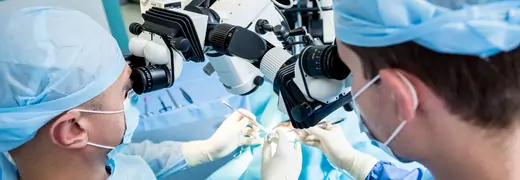
Pacemaker implantation is usually performed under local anesthesia and lasts about 1–2 hours. The device is placed under the skin, typically on the upper left chest beneath the collarbone. Most patients are discharged the same day or the next day.
Post-procedure care includes:
- Limiting arm movements for a few days
- Keeping the surgical area clean and dry
- Attending regular follow-up visits
Pacemaker patients can generally lead normal, active lives, including traveling, exercising, and working, under medical supervision. However, precautions are necessary:
- Avoid strong magnetic fields that may interfere with the device (e.g., certain MRI machines, industrial magnets, security gates)
- Carry the device identification card, which contains model, manufacturer, and programming information for emergencies
- Monitor battery life; most pacemakers last 5–10 years, and only the generator needs replacement
Modern pacemakers are increasingly small, smart, and long-lasting, allowing patients to maintain daily activities safely and comfortably.
Conclusion
Pacemaker implantation is a safe and effective treatment for heart rhythm disorders, improving both life expectancy and quality of life. Success depends on:
- Proper patient selection
- Choosing the appropriate device type
- Regular follow-up care
With modern technology, pacemakers provide reliable rhythm control, enabling patients to live active, healthy, and secure lives despite underlying cardiac conditions.
References:
- Kusumoto, F. M., et al. (2018). 2018 ACC/AHA/HRS guideline on evaluation and management of patients with bradycardia and cardiac conduction delay. Circulation, 140(8), e382–e482.
- Mond, H. G., & Proclemer, A. (2011). The 11th World Survey of Cardiac Pacing and Implantable Cardioverter-Defibrillators. Pacing Clin Electrophysiol, 34(8), 1013–1027.
- MedicalPoint Hospital Cardiology Guidelines, 2025.
WHAT WE'RE TALKING ABOUT
Life During and After IVF Treatment: What Patients Should Know

Prostate Cancer Treatment in Turkey

Coronary CT Angiography: Advanced Non-Invasive Imaging for Heart and Coronary Artery Health