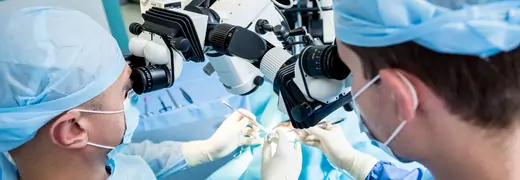
Oculoplastic Surgery: An Overview
Request Call Back
Oculoplastic surgery is a highly specialized branch of medicine dedicated to the diagnosis and treatment of both aesthetic and functional disorders affecting the eyes and the surrounding structures. This field focuses on surgical and non-surgical interventions involving the eyelids, tear drainage system, orbit (eye socket), eyebrows, and adjacent facial tissues. By integrating principles of ophthalmology with advanced plastic and reconstructive surgical techniques, oculoplastic surgery aims to preserve and enhance vision while also improving facial harmony and patient confidence.
The eyes play a central role in vision, communication, and facial expression. Even minor abnormalities in the eyelids or periorbital region can significantly impact visual function, ocular comfort, and overall appearance. Oculoplastic surgery addresses these challenges with precision, ensuring that both functional integrity and aesthetic balance are maintained.
This subspecialty requires extensive training beyond general ophthalmology, as surgeons must have in-depth knowledge of ocular anatomy, facial structures, microsurgical techniques, and reconstructive principles. With advances in medical imaging, minimally invasive surgery, and biomaterials, oculoplastic surgery has evolved into a field capable of delivering highly individualized and effective treatment outcomes.
Scope and Purpose of Oculoplastic Surgery
Oculoplastic surgery addresses a wide spectrum of conditions, ranging from congenital anomalies present at birth to acquired disorders caused by trauma, aging, systemic disease, or tumors. The primary objectives of oculoplastic surgery include:
- Preserving and restoring visual function
- Protecting the ocular surface and cornea
- Improving eyelid position and movement
- Reconstructing orbital and periocular structures
- Enhancing facial symmetry and aesthetics
- Supporting psychological well-being and self-confidence
Unlike purely cosmetic interventions, oculoplastic procedures often have a direct impact on eye health. Proper eyelid function, tear drainage, and orbital anatomy are essential for maintaining clear vision and preventing long-term ocular damage.
Common Applications of Oculoplastic Surgery
Oculoplastic surgery encompasses a wide range of procedures tailored to both medical necessity and aesthetic enhancement. The most common applications are outlined below.
Eyelid Surgery (Blepharoplasty and Eyelid Reconstruction)
The eyelids serve as the first line of protection for the eyes, regulating tear distribution, shielding the cornea, and facilitating blinking. Structural or functional abnormalities of the eyelids can result in discomfort, visual impairment, and cosmetic concerns.
Ptosis (Drooping Eyelid)
Ptosis is a condition in which the upper eyelid droops lower than normal, potentially obstructing vision and giving the face a fatigued or asymmetrical appearance. Ptosis may be congenital or acquired due to aging, nerve damage, muscle weakness, or trauma.
Oculoplastic surgeons correct ptosis by:
- Strengthening or repositioning the levator muscle
- Adjusting eyelid height for symmetry
- Ensuring unobstructed visual fields
Successful ptosis repair improves both functional vision and facial aesthetics.
Excess Skin and Eyelid Bags
Aging, genetic predisposition, and lifestyle factors can lead to excess skin, muscle laxity, and fat protrusion in the upper or lower eyelids. These changes may cause:
- A tired or aged appearance
- Visual obstruction (especially in upper eyelids)
- Chronic eye irritation
Blepharoplasty removes or repositions excess tissue to restore a more youthful, refreshed look while maintaining natural eyelid contours and function.
Eyelid Malposition Disorders
Eyelid malpositions can severely affect eye health:
- Entropion: Inward turning of the eyelid, causing eyelashes to rub against the cornea
- Ectropion: Outward turning of the eyelid, leading to dryness and exposure
Oculoplastic surgery corrects these conditions to protect the cornea, relieve irritation, and restore proper eyelid alignment.
Tear Duct Surgery (Lacrimal System Disorders)
The tear drainage system plays a critical role in maintaining ocular surface health. Blockage or dysfunction can lead to excessive tearing, recurrent infections, and chronic discomfort.
Dacryocystorhinostomy (DCR)
DCR is a surgical procedure that creates a new drainage pathway between the lacrimal sac and the nasal cavity. It is commonly performed when the nasolacrimal duct becomes obstructed.
Benefits of DCR include:
- Resolution of chronic tearing (epiphora)
- Reduction in recurrent infections
- Improved ocular comfort
Minimally Invasive Tear Duct Procedures
In selected cases, less invasive options such as balloon catheter dilation or stent placement may be used to open blocked tear ducts, particularly in early-stage obstruction.
Tear duct surgery significantly improves quality of life by alleviating persistent tearing and protecting corneal health.
Orbital Surgery
The orbit is a complex bony cavity that houses the eye, muscles, nerves, and blood vessels. Disorders affecting the orbit require meticulous surgical planning and execution.
Thyroid Eye Disease (Orbital Decompression)
Thyroid eye disease can cause inflammation and swelling within the orbit, leading to:
- Protrusion of the eye (proptosis)
- Eye pain and pressure
- Vision-threatening optic nerve compression
Orbital decompression surgery removes portions of orbital bone or fat to relieve pressure, improve eye position, and protect vision.
Orbital Trauma and Fracture Repair
Facial trauma can result in orbital fractures that displace the eye or restrict movement. Oculoplastic surgeons repair these fractures to:
- Restore normal eye position
- Improve ocular mobility
- Prevent long-term functional deficits
Orbital Tumor Surgery
Benign and malignant tumors within the orbit may require surgical removal. The primary goals are:
- Complete tumor excision
- Preservation of vision
- Maintenance of facial symmetry
Orbital surgery demands extreme precision to avoid injury to the optic nerve and extraocular muscles.
Prosthetic Eye Placement and Anophthalmic Socket Reconstruction
Patients who lose an eye due to trauma, cancer, or congenital conditions often face significant psychological and cosmetic challenges. Oculoplastic surgeons collaborate with ocularists to design and place custom ocular prostheses.
Key goals include:
- Restoring facial symmetry
- Ensuring comfort and mobility of the prosthesis
- Supporting emotional recovery and self-esteem
Advanced reconstructive techniques allow prosthetic eyes to closely match the natural eye in appearance and movement.
Cosmetic vs. Functional Oculoplastic Surgery
Oculoplastic surgery is broadly divided into cosmetic and functional procedures, though many interventions address both aspects simultaneously.
Cosmetic Oculoplastic Surgery
Cosmetic procedures focus on enhancing appearance without compromising eye function. These surgeries are often chosen to address age-related changes or aesthetic concerns.
Common cosmetic procedures include:
- Upper and lower eyelid blepharoplasty
- Lower eyelid tightening
- Brow and eyelid rejuvenation
- Correction of asymmetry
These procedures improve facial harmony, reduce signs of aging, and enhance self-confidence.
Functional Oculoplastic Surgery
Functional procedures are performed to restore or preserve ocular health and vision. These surgeries are medically necessary and often life-enhancing.
Examples include:
- Ptosis repair
- Tear duct reconstruction
- Correction of eyelid malpositions
- Orbital decompression
Functional oculoplastic surgery significantly improves daily comfort, visual clarity, and eye protection.
Benefits of Oculoplastic Surgery
Oculoplastic surgery offers a unique combination of medical and aesthetic benefits:
Restoration of Eye Function
Improves eyelid mechanics, tear drainage, and orbital anatomy.
Enhanced Appearance
Corrects deformities, aging changes, and asymmetry in the periorbital region.
Minimally Invasive Techniques
Modern approaches reduce scarring, recovery time, and surgical risk.
Psychological Well-Being
Improved appearance and function contribute to higher self-esteem and emotional health.
Comprehensive Care
Addresses functional and cosmetic concerns within a single treatment plan.
Risks and Considerations
Although oculoplastic surgery is generally safe, potential risks include:
- Infection or bleeding
- Scarring
- Temporary or permanent asymmetry
- Rare changes in vision or eye movement
A thorough preoperative evaluation and experienced surgical care minimize these risks.
Recovery and Post-Operative Care
Recovery varies depending on the procedure but typically includes:
- Swelling and bruising: Usually resolves within 1–3 weeks
- Activity restrictions: Avoid heavy lifting and eye rubbing
- Follow-up visits: Essential for monitoring healing
- Medications: Antibiotics and anti-inflammatory treatments as prescribed
Adherence to post-operative care instructions is critical for optimal outcomes.
Advances in Oculoplastic Surgery
Modern oculoplastic surgery benefits from:
- High-resolution imaging
- Endoscopic and minimally invasive techniques
- Improved biomaterials and implants
- Enhanced microsurgical tools
These advancements allow for safer procedures, faster recovery, and more natural results.
Conclusion
Oculoplastic surgery is a highly specialized and integral field that bridges ophthalmology and reconstructive surgery to address both functional and aesthetic disorders of the eye and surrounding structures. Whether treating congenital abnormalities, trauma, tumors, systemic disease, or age-related changes, oculoplastic surgery plays a crucial role in preserving vision, restoring facial harmony, and enhancing quality of life.
By combining advanced surgical techniques with a deep understanding of ocular anatomy, oculoplastic surgeons deliver outcomes that protect eye health while also supporting patients’ emotional and psychological well-being. With ongoing advancements in technology and minimally invasive methods, oculoplastic surgery continues to offer safe, effective, and transformative solutions for patients seeking both functional improvement and aesthetic refinement.
WHAT WE'RE TALKING ABOUT

Life During and After IVF Treatment: What Patients Should Know

Prostate Cancer Treatment in Turkey

Coronary CT Angiography: Advanced Non-Invasive Imaging for Heart and Coronary Artery Health