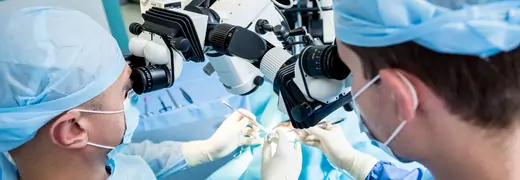
Laparoscopic Hysterectomy
Request Call Back
Laparoscopic hysterectomy is a minimally invasive surgical procedure for removing the uterus using a laparoscopic technique. Unlike traditional open surgery, which requires a large abdominal incision, this method uses small incisions and a thin tube-like device called a laparoscope.
The laparoscope contains a camera and light, allowing surgeons to view the uterus and surrounding structures in high resolution on a monitor. During the procedure, the uterus is usually removed through several small incisions in the abdominal area. This minimally invasive approach results in faster recovery, less postoperative pain, and smaller scars compared to conventional open hysterectomy.
How is Laparoscopic Hysterectomy Performed?
Laparoscopic hysterectomy is generally performed under general anesthesia. The surgical steps include:
- Small incisions: Several small cuts are made in the abdomen to insert the laparoscope and surgical instruments.
- Insufflation: Carbon dioxide gas is introduced into the abdominal cavity to expand it, providing better visibility of the uterus and surrounding organs.
- Uterus removal: Guided by the laparoscopic camera, the uterus is carefully dissected and removed. Depending on the patient’s condition, either the entire uterus or only specific parts may be excised.
This procedure is associated with shorter hospital stays, faster recovery, less bleeding, and reduced complication risk compared to traditional open surgery.
When is Laparoscopic Hysterectomy Recommended?
Laparoscopic hysterectomy is commonly used to treat various gynecological conditions, including:
- Uterine fibroids (myomas)
- Endometriosis
- Abnormal or heavy uterine bleeding
- Uterine adhesions (Asherman’s syndrome)
- Uterine or cervical cancer
It can also be recommended when the uterus’s anatomical structure is altered or in cases of severe infection. By offering a minimally invasive option, laparoscopic hysterectomy allows patients to return to normal activities more quickly. In some cases, the procedure is performed as a preventive measure to avoid long-term gynecological complications.
Benefits of Laparoscopic Hysterectomy
Laparoscopic hysterectomy offers several advantages over traditional open surgery:
- Minimally invasive: Smaller incisions result in less tissue trauma.
- Faster recovery: Patients often resume daily activities sooner.
- Reduced pain: Smaller cuts cause less postoperative discomfort.
- Lower risk of complications: Less bleeding and lower infection risk.
- Minimal scarring: Cosmetic outcomes are improved due to small incisions.
These benefits make laparoscopic hysterectomy a safe and effective option for many patients, improving both physical recovery and quality of life.
Conclusion
Laparoscopic hysterectomy is a significant advancement in gynecological surgery. By allowing surgeons to remove the uterus with minimal invasion, this method reduces pain, shortens recovery time, and minimizes complications. It is a highly effective and safe option for women with various uterine conditions, offering faster healing and better cosmetic outcomes compared to conventional surgery.
At MedicalPoint Hospital, patients receive expert consultation and state-of-the-art surgical care to determine if laparoscopic hysterectomy is the most suitable approach for their individual condition. Consulting a specialist ensures safe, personalized treatment and optimal recovery outcomes.
WHAT WE'RE TALKING ABOUT

Life During and After IVF Treatment: What Patients Should Know

Prostate Cancer Treatment in Turkey

Coronary CT Angiography: Advanced Non-Invasive Imaging for Heart and Coronary Artery Health