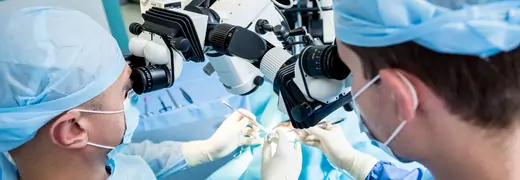
Hysteroscopy
Request Call Back
Hysteroscopy is a minimally invasive medical procedure used to directly visualize the inside of the uterus. During this procedure, a thin, flexible tube called a hysteroscope is inserted through the vagina and cervix into the uterine cavity. The hysteroscope is equipped with a light source and a camera, allowing the physician to observe the uterine lining, structural abnormalities, and any unusual tissue clearly on a monitor.
Hysteroscopy can serve both diagnostic and therapeutic purposes. Diagnostic hysteroscopy helps identify issues such as polyps, fibroids (myomas), adhesions, uterine septum, or endometrial hyperplasia. Therapeutic hysteroscopy allows the treatment of these conditions during the same session, minimizing the need for open surgery.
At MedicalPoint Hospital, hysteroscopy is performed by experienced gynecologists using the latest equipment to ensure patient comfort, accurate diagnosis, and effective treatment.
How is Hysteroscopy Performed?
Hysteroscopy is usually performed in an outpatient or day-surgery setting. Depending on the patient’s condition and the complexity of the procedure, either local anesthesia, sedation, or general anesthesia may be used.
The process involves the following steps:
- Preparation: The patient lies on the examination table, similar to a gynecological examination. Vital signs are monitored, and anesthesia is administered if necessary.
- Insertion of the Hysteroscope: The hysteroscope is gently inserted through the vagina and cervix into the uterine cavity. The camera transmits real-time images to a monitor, allowing the physician to examine the uterine lining closely.
- Evaluation and Treatment: The doctor assesses the size, shape, and location of any abnormal tissue. If treatment is needed, small instruments can be passed through the hysteroscope to remove polyps, fibroids, adhesions, or perform other corrective procedures.
- Completion and Recovery: The procedure is typically brief, often lasting between 15 and 45 minutes, depending on whether treatment is performed. Patients may experience mild cramping or spotting after the procedure, but recovery is generally rapid. Most patients can go home the same day.
Hysteroscopy is considered minimally invasive, which means it reduces complications, shortens recovery time, and often avoids the need for traditional open surgery.
When is Hysteroscopy Indicated?
Hysteroscopy is recommended in a variety of gynecological situations, particularly when diagnosis and treatment of uterine abnormalities are required. Common indications include:
- Uterine Polyps: Benign growths in the endometrial lining that can cause irregular bleeding.
- Fibroids (Myomas): Noncancerous tumors of the uterine wall or cavity that may affect fertility or menstrual cycles.
- Endometrial Hyperplasia: Thickening of the uterine lining, which may lead to abnormal bleeding and requires evaluation for precancerous changes.
- Intrauterine Adhesions (Asherman’s Syndrome): Scar tissue inside the uterus that can interfere with menstruation or fertility.
- Uterine Septum: A congenital condition where a thin wall divides the uterine cavity, often associated with recurrent pregnancy loss.
- Infertility Assessment: Women experiencing difficulty conceiving may undergo hysteroscopy to evaluate the uterine cavity for abnormalities affecting implantation.
- Abnormal Uterine Bleeding: Hysteroscopy can identify the cause of heavy, irregular, or prolonged menstrual bleeding.
- Recurrent Miscarriages: Identifying and treating uterine abnormalities can improve the chances of a successful pregnancy.
In addition to diagnosis, hysteroscopic surgery allows immediate treatment, which can prevent the need for more invasive procedures such as open abdominal surgery.
Benefits of Hysteroscopy
Hysteroscopy offers several advantages compared to traditional diagnostic or surgical methods:
- Minimally Invasive: Small instruments reduce trauma to surrounding tissues.
- Short Recovery Time: Most patients return to daily activities within hours or a day.
- Dual Purpose: Combines diagnosis and treatment in a single procedure.
- Precision: Real-time visualization allows precise removal of abnormal tissues while preserving healthy endometrial tissue.
- Reduced Complications: Lower risk of infection, bleeding, or scarring compared to open surgery.
- Fertility Preservation: Correcting intrauterine abnormalities can improve the chances of conception.
At MedicalPoint Hospital, hysteroscopy is performed with advanced technology to maximize safety and patient comfort. The hospital also provides detailed post-operative guidance to ensure optimal recovery and long-term uterine health.
Safety and Recovery Considerations
Hysteroscopy is generally safe, but patients should follow certain precautions:
- Preoperative Assessment: A thorough evaluation, including medical history, imaging studies, and laboratory tests, ensures suitability for the procedure.
- Anesthesia Choice: The type of anesthesia is selected based on patient needs and procedural complexity.
- Postoperative Care: Mild cramping, spotting, or discharge may occur for a few days. Patients are advised to avoid tampon use, sexual intercourse, or strenuous activity during recovery.
- Follow-Up Visits: Follow-up ensures complete healing, monitors for complications, and confirms that uterine abnormalities have been successfully treated.
Complications are rare but may include infection, bleeding, or uterine perforation. These risks are minimized when the procedure is performed by experienced gynecologists in a controlled clinical setting.
Who Can Benefit from Hysteroscopy?
Women who may benefit from hysteroscopy include:
- Those with irregular or heavy menstrual bleeding
- Women experiencing infertility or recurrent miscarriages
- Patients with suspected uterine polyps, fibroids, or adhesions
- Women undergoing evaluation for endometrial abnormalities
- Those seeking a minimally invasive solution for uterine structural issues
Hysteroscopy is a versatile and highly effective option for diagnosing and managing a wide range of uterine conditions, making it a cornerstone of modern gynecological care.
Conclusion
Hysteroscopy is a safe, minimally invasive procedure that allows direct visualization of the uterine cavity for both diagnostic and therapeutic purposes. It is highly valuable for identifying and treating polyps, fibroids, adhesions, septa, and other intrauterine abnormalities.
By combining precision, efficiency, and minimal recovery time, hysteroscopy helps maintain uterine health, supports fertility, and improves overall gynecological outcomes. At MedicalPoint Hospital, experienced specialists provide comprehensive care, from initial evaluation to post-procedure follow-up, ensuring patient safety, comfort, and optimal results.
Hysteroscopy represents a modern, patient-friendly approach to addressing uterine health issues, offering women an effective and reliable solution with minimal discomfort and maximum benefits.
WHAT WE'RE TALKING ABOUT

Life During and After IVF Treatment: What Patients Should Know

Prostate Cancer Treatment in Turkey

Coronary CT Angiography: Advanced Non-Invasive Imaging for Heart and Coronary Artery Health