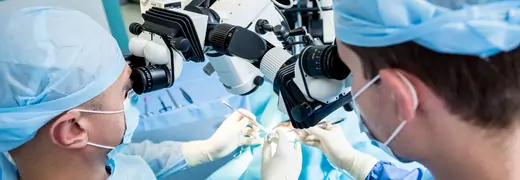
Hypospadiasis in Children: Understanding the Condition and Its Diagnosis
Request Call Back
Hypospadiasis is one of the most common congenital urological conditions affecting male infants. Although it is present at birth, its implications can extend far beyond infancy if not properly treated. Early recognition, accurate diagnosis, and timely surgical correction are essential to ensure normal urinary function, healthy sexual development, and positive psychological well-being later in life.
At MedicalPoint Hospital, our pediatric urology specialists provide comprehensive, family-centered care for children diagnosed with hypospadiasis, combining advanced surgical techniques with compassionate support for parents and caregivers.
What Is Hypospadiasis?
Hypospadiasis is a congenital anomaly of the male urethra in which the urethral opening (urinary meatus) is located on the underside of the penis rather than at the tip of the glans. The abnormal position of the urethral opening can vary in severity, ranging from mild displacement near the head of the penis to more severe forms located along the shaft or near the scrotum.
This condition develops during fetal life, typically between the 8th and 14th weeks of pregnancy, when normal penile and urethral formation is disrupted. Because hypospadiasis is present from birth, it is often identified during routine neonatal examinations.
Key Characteristics of Hypospadiasis
- A urethral opening located below the tip of the penis
- Possible downward curvature of the penis (chordee)
- Abnormal foreskin development, often described as a “hooded” appearance
- Varying degrees of severity depending on urethral location
Hypospadiasis is not a life-threatening condition, but without appropriate treatment, it can lead to functional, cosmetic, and psychological challenges later in life.
Types and Severity of Hypospadiasis
Hypospadiasis is typically classified based on the location of the urethral opening:
Distal (Anterior) Hypospadiasis
- Urethral opening near the head of the penis
- Most common and usually mild
- Often associated with minimal curvature
Midshaft Hypospadiasis
- Opening located along the penile shaft
- May involve moderate curvature
- Requires careful surgical planning
Proximal (Posterior) Hypospadiasis
- Opening near the base of the penis or within the scrotum
- Often associated with significant curvature and more complex anatomy
- Represents the most severe form
The severity of hypospadiasis plays a crucial role in determining treatment approach, surgical technique, and long-term follow-up needs.
Causes and Risk Factors
The exact cause of hypospadiasis is not always identifiable, but research suggests a combination of genetic, hormonal, and environmental factors.
Possible Contributing Factors
- Hormonal disruption during fetal development
- Genetic predisposition, especially with a family history of hypospadiasis
- Maternal factors, such as advanced maternal age or exposure to certain medications
- Environmental influences, including endocrine-disrupting chemicals
In most cases, hypospadiasis occurs sporadically, and parents should understand that it is not caused by actions taken during pregnancy.
Symptoms and Clinical Features
Hypospadiasis is usually detected at birth; however, its functional implications may become more apparent as the child grows.
Common Signs
- Abnormally positioned urethral opening
- Spraying or downward deflection of urine stream
- Difficulty directing urine while standing
- Penile curvature, particularly during erection later in life
- Incomplete foreskin development
In more severe cases, hypospadiasis may be associated with undescended testes or other urogenital anomalies, necessitating further evaluation.
How Is Hypospadiasis Diagnosed?
Physical Examination
Diagnosis of hypospadiasis is primarily clinical and is most often made during a routine newborn physical examination. Pediatricians and pediatric urologists assess:
- Location of the urethral opening
- Shape and curvature of the penis
- Foreskin configuration
- Testicular position
A careful physical examination is usually sufficient to confirm the diagnosis.
Imaging Studies
Although not required in all cases, imaging may be recommended in certain situations:
- Ultrasound of the urinary tract to assess kidneys and bladder
- Used when hypospadiasis is severe or associated with other anomalies
Genetic and Hormonal Evaluation
Genetic testing or endocrine evaluation is rarely necessary. It may be considered when:
- Hypospadiasis is severe or proximal
- Other congenital anomalies are present
- There is suspicion of a disorder of sexual development
Most children with isolated hypospadiasis do not require extensive diagnostic testing beyond physical assessment.
Why Early Diagnosis Is Important
Early identification of hypospadiasis allows for timely intervention and optimal outcomes.
Benefits of Early Diagnosis
- Ideal timing for surgery: Surgical repair is usually recommended between 6 and 12 months of age
- Simpler surgical correction: Earlier repair is technically easier due to tissue elasticity
- Avoidance of urinary complications: Prevents spraying, infections, and voiding difficulties
- Psychological well-being: Reduces future self-esteem or body image concerns
- Improved long-term sexual function: Supports normal erectile and reproductive health
At MedicalPoint Hospital, early evaluation ensures parents receive clear guidance and reassurance throughout the treatment process.
Treatment Options for Hypospadiasis
Surgical Repair
Surgery is the definitive treatment for hypospadiasis and aims to:
- Reposition the urethral opening to the tip of the penis
- Correct penile curvature (chordee)
- Achieve a natural cosmetic appearance
Most cases are corrected in a single surgical procedure, though severe forms may require staged repair.
Surgical Timing
- Typically performed between 6 and 18 months of age
- Avoids interference with toilet training
- Minimizes psychological awareness of surgery
Postoperative Care
After surgery, children may require:
- Temporary urinary catheter
- Pain management and infection prevention
- Follow-up visits to monitor healing and function
Complication rates are low when surgery is performed by experienced pediatric urologists.
Long-Term Outcomes and Prognosis
With modern surgical techniques, the prognosis for children with hypospadiasis is excellent.
Expected Outcomes
- Normal urinary stream and voiding pattern
- Normal penile appearance
- Healthy sexual function in adulthood
- No impact on fertility in most cases
Long-term follow-up may be recommended, especially for children with severe forms, to monitor growth and function during puberty.
Parental Guidance and Support
Receiving a diagnosis of hypospadiasis can be stressful for parents. Education and reassurance are essential components of care.
Important Considerations for Parents
- Hypospadiasis is common and treatable
- Early surgery leads to excellent outcomes
- Circumcision should be postponed until evaluation by a pediatric urologist
- Open communication with the medical team helps ensure confidence and comfort
At MedicalPoint Hospital, we prioritize family education and emotional support alongside medical treatment.
Hypospadiasis Care at MedicalPoint Hospital
MedicalPoint Hospital offers comprehensive pediatric urology services, including:
- Expert neonatal evaluation
- Advanced diagnostic capabilities
- State-of-the-art surgical techniques
- Individualized treatment planning
- Long-term follow-up and support
Our multidisciplinary team ensures each child receives safe, effective, and compassionate care tailored to their unique needs.
Frequently Asked Questions About Hypospadiasis (Q&A)
What is hypospadiasis in children?
Hypospadiasis is a congenital condition in boys where the urethral opening is located on the underside of the penis instead of the tip. It develops during fetal growth and can affect urination, penile appearance, and future sexual function if not treated early.
Is hypospadiasis a serious condition?
Hypospadiasis is not life-threatening, but it is clinically important. Without treatment, it may cause urinary difficulties, penile curvature, and psychological concerns later in life. With early diagnosis and proper surgical repair, most children achieve normal function and appearance.
At what age should hypospadiasis be treated?
Surgical repair of hypospadiasis is usually recommended between 6 and 12 months of age. This timing allows for optimal healing, easier surgical correction, and minimizes psychological awareness or long-term complications related to urinary or sexual function.
How is hypospadiasis diagnosed?
Hypospadiasis is typically diagnosed through a physical examination at birth. Pediatricians assess the position of the urethral opening, penile shape, and foreskin development. Imaging or genetic testing is rarely required unless the condition is severe or associated with other anomalies.
Can hypospadiasis affect fertility in the future?
In most cases, treated hypospadiasis does not affect fertility. Successful surgical correction allows normal ejaculation and reproductive function. Severe, untreated cases may pose risks, which is why early diagnosis and repair are strongly recommended.
Is hypospadiasis surgery safe?
Yes, hypospadiasis surgery is considered safe and highly effective when performed by experienced pediatric urologists. Complication rates are low, and most children require only one procedure. Long-term outcomes for urinary and sexual function are excellent.
Should circumcision be done before hypospadiasis surgery?
No. Circumcision should be postponed if hypospadiasis is suspected. The foreskin tissue is often needed during surgical repair. Parents should wait for evaluation by a pediatric urologist before making any decisions about circumcision.
Can hypospadiasis be detected during pregnancy?
In most cases, hypospadiasis is not detected prenatally. It is usually identified during the newborn physical examination after birth. Advanced prenatal imaging may occasionally suggest genital anomalies, but confirmation is typically postnatal.
Does hypospadiasis require long-term follow-up?
Some children, especially those with moderate to severe hypospadiasis, may benefit from long-term follow-up. Monitoring ensures normal penile growth, urinary function, and healthy development during puberty and adolescence.
Where can hypospadiasis be treated safely?
Hypospadiasis should be treated at specialized centers with pediatric urology expertise. At MedicalPoint Hospital, children receive comprehensive evaluation, advanced surgical care, and long-term follow-up to ensure optimal outcomes.
Conclusion
Hypospadiasis is a congenital urological condition that, if left untreated, can affect urinary function, sexual health, and psychological well-being. Fortunately, early diagnosis and modern surgical repair allow most children to achieve excellent functional and cosmetic outcomes.
Parents are encouraged to seek prompt evaluation by a pediatric urologist when hypospadiasis is identified. At MedicalPoint Hospital, our experienced specialists guide families through every step of diagnosis, treatment, and follow-up, supporting healthy development and long-term quality of life.
WHAT WE'RE TALKING ABOUT

Life During and After IVF Treatment: What Patients Should Know

Prostate Cancer Treatment in Turkey

Coronary CT Angiography: Advanced Non-Invasive Imaging for Heart and Coronary Artery Health