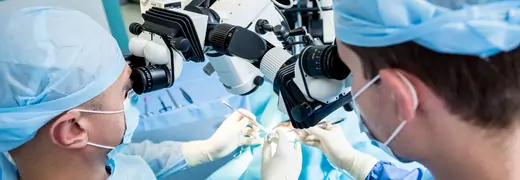
Epilepsy: Understanding Causes, Symptoms, and Treatment Options
Request Call Back
What Is Epilepsy?
Epilepsy is a chronic neurological disorder characterized by recurrent, unprovoked seizures caused by abnormal electrical activity in the brain. These seizures occur when clusters of nerve cells, known as neurons, transmit sudden and excessive electrical signals that disrupt normal brain function. Depending on the affected brain region, seizures may influence consciousness, muscle control, sensation, emotions, or behavior.
Epilepsy is not a single disease entity but rather a broad group of neurological conditions with diverse causes and clinical presentations. It can develop at any age, from infancy to older adulthood, and its severity varies widely among individuals. Some patients experience rare, mild seizures, while others may have frequent and disabling episodes that interfere with daily activities.
At MedicalPoint Hospital, epilepsy is approached as a long-term condition requiring accurate diagnosis, continuous follow-up, and individualized care. Our neurology team focuses not only on seizure control but also on preserving cognitive function, emotional well-being, and overall quality of life.
How Does Epilepsy Develop?
Epilepsy develops as a result of abnormal electrical signaling in the brain, often caused by structural, genetic, metabolic, or acquired factors. In many patients, particularly children, no single cause can be identified. This form is known as idiopathic epilepsy. In others, epilepsy arises secondary to identifiable brain damage or disease.
Common Causes and Risk Factors
Congenital Brain Malformations:
Abnormal brain development before birth can disrupt neuronal networks, making the brain more prone to seizures. These conditions are often detected in childhood but may also present later in life.
Head Trauma:
Traumatic brain injuries caused by accidents, falls, or sports injuries are a leading cause of epilepsy in adults. Post-traumatic epilepsy may develop months or even years after the injury.
Infections of the Central Nervous System:
Conditions such as meningitis, encephalitis, or brain abscesses can permanently damage neurons, increasing seizure risk.
Stroke and Brain Tumors:
Any condition that compromises blood supply or alters brain structure can provoke epileptic seizures, especially in older adults.
Genetic Factors:
Certain gene mutations affect how neurons communicate, increasing excitability and seizure susceptibility. Genetic epilepsies often begin in childhood or adolescence.
Seizure severity and frequency depend on the extent and location of abnormal brain activity, as well as individual biological factors.
Types of Epilepsy
Correct classification of epilepsy is essential for selecting the most appropriate treatment and predicting outcomes.
1. Generalized Epilepsy
Generalized epilepsy involves both hemispheres of the brain from the onset of seizure activity.
Tonic-Clonic Seizures:
These seizures involve a sudden loss of consciousness, muscle stiffening, followed by rhythmic jerking movements. Post-seizure fatigue, confusion, and muscle soreness are common.
Absence Seizures:
Brief episodes of impaired awareness, often seen in children. Although short, frequent absence seizures can significantly affect learning and academic performance.
2. Focal (Partial) Epilepsy
Focal epilepsy originates in a specific brain region.
Simple Focal Seizures:
Consciousness is preserved. Symptoms may include tingling, visual flashes, or unusual sensations.
Complex Focal Seizures:
Awareness is impaired, and patients may exhibit repetitive behaviors such as lip-smacking or hand movements. Confusion often follows.
Some focal seizures may evolve into generalized seizures if electrical activity spreads.
Symptoms of Epilepsy
Epileptic symptoms vary widely and may include:
- Sudden loss of consciousness
- Muscle stiffening or jerking
- Blank staring episodes
- Sudden falls
- Confusion or memory impairment
- Sensory disturbances such as tingling or visual changes
Aura and Prodromal Symptoms
Some patients experience an aura, which is a focal seizure that serves as a warning sign. Recognizing auras can help patients take safety precautions.
Diagnosing Epilepsy
Accurate diagnosis is essential to differentiate epilepsy from conditions such as syncope, sleep disorders, or metabolic abnormalities.
Diagnostic Tools
Electroencephalography (EEG):
Detects abnormal electrical activity and helps classify seizure types.
Magnetic Resonance Imaging (MRI):
Identifies structural brain abnormalities.
Computed Tomography (CT):
Useful in emergency settings.
Blood and Genetic Tests:
Identify metabolic or hereditary contributors.
Childhood Epilepsy: Clinical Features, Diagnosis, and Long-Term Impact
Childhood epilepsy refers to seizure disorders that begin during infancy, childhood, or adolescence. It is one of the most common chronic neurological conditions in children and represents a diverse group of epilepsy syndromes with varying causes, clinical courses, and prognoses. Unlike adult epilepsy, childhood epilepsy often reflects developmental, genetic, or congenital factors, and its presentation may change as the child grows.
Seizures in children may be subtle and easily overlooked. In some cases, episodes manifest as brief staring spells, sudden behavioral pauses, or mild muscle twitching rather than dramatic convulsions. As a result, early diagnosis can be challenging, particularly in infants and young children who are unable to describe their symptoms.
Common Causes of Epilepsy in Children
Childhood epilepsy can arise from several underlying mechanisms, including:
- Genetic epilepsy syndromes, where inherited or spontaneous gene mutations affect neuronal excitability
- Congenital brain abnormalities, such as cortical malformations
- Perinatal brain injury, including oxygen deprivation during birth
- Central nervous system infections, such as meningitis or encephalitis
- Metabolic disorders, which disrupt normal brain chemistry
In many children, no clear cause is identified despite thorough evaluation. These cases are classified as idiopathic or genetic epilepsy, and they often have a favorable prognosis with appropriate treatment.
Childhood Epilepsy Syndromes
Several epilepsy syndromes are unique to or most commonly seen in children. These include:
- Benign Rolandic Epilepsy: Typically begins between ages 3 and 13 and often resolves spontaneously during adolescence.
- Childhood Absence Epilepsy: Characterized by frequent absence seizures that may affect learning if untreated.
- West Syndrome (Infantile Spasms): A severe epilepsy syndrome presenting in infancy, requiring urgent treatment to prevent developmental delay.
- Lennox–Gastaut Syndrome: A complex and treatment-resistant form of epilepsy associated with cognitive impairment.
Identifying the specific epilepsy syndrome is crucial, as it influences treatment selection, prognosis, and long-term developmental outcomes.
Diagnosis of Epilepsy in Children
Diagnosing epilepsy in children requires a multidisciplinary approach. In addition to standard EEG and MRI imaging, pediatric neurologists carefully assess developmental milestones, learning abilities, and behavioral patterns. Prolonged or video EEG monitoring may be necessary to capture subtle seizure activity that occurs during sleep or daily activities.
Early and accurate diagnosis is essential, as uncontrolled seizures during critical periods of brain development may interfere with cognitive, language, and social skills.
Treatment and Management in Childhood Epilepsy
The primary goal of treatment is complete seizure control with minimal side effects. Children often respond well to anti-epileptic medications, and drug selection is tailored to the child’s age, seizure type, and epilepsy syndrome. Regular dose adjustments are necessary as the child grows.
In cases where medications fail to control seizures, additional options such as dietary therapy (e.g., ketogenic diet), neuromodulation, or surgery may be considered. These decisions are made carefully, weighing seizure control against potential impacts on development.
Psychosocial and Educational Considerations
Childhood epilepsy affects not only physical health but also emotional well-being, academic performance, and social development. Children with epilepsy may face challenges such as:
- Learning difficulties
- Attention and memory problems
- Social stigma or bullying
- Anxiety and reduced self-esteem
At MedicalPoint Hospital, comprehensive epilepsy care includes collaboration with psychologists, educators, and family members to support the child’s overall development. Educating parents and teachers about seizure recognition and first aid is a critical part of long-term management.
Long-Term Outlook
Many children with epilepsy achieve seizure remission and eventually discontinue medication under medical supervision. Others may require long-term treatment but can still lead active, independent lives with appropriate support. Early intervention, regular follow-up, and family involvement significantly improve outcomes.
Treatment Options for Epilepsy
1. Anti-Epileptic Medications
Anti-epileptic drugs (AEDs) are the cornerstone of epilepsy treatment. Approximately 70% of patients achieve seizure control with appropriate medication.
Common AEDs include:
- Valproate
- Lamotrigine
- Levetiracetam
- Carbamazepine
2. Surgical Treatment
Surgery may be considered for drug-resistant epilepsy.
Resective Surgery, Laser Ablation, and Corpus Callosotomy are options depending on seizure type and location.
3. Neuromodulation Therapies
Devices such as Vagus Nerve Stimulation (VNS) and Responsive Neurostimulation (RNS) help regulate abnormal electrical activity and reduce seizure frequency.
4. Lifestyle and Supportive Care
Lifestyle management plays a critical role in seizure control:
- Adequate sleep
- Stress management
- Avoidance of alcohol and known triggers
- Strict medication adherence
Epilepsy in Special Populations
Childhood Epilepsy
Children may outgrow certain epilepsy syndromes, while others require long-term treatment. Early intervention is crucial to support cognitive and social development.
Epilepsy in Adults and the Elderly
In adults, epilepsy is often related to trauma or stroke. In older adults, seizures may present atypically and require careful medication selection.
Epilepsy and Pregnancy
With proper planning and medical supervision, most women with epilepsy can have healthy pregnancies. Medication adjustments and close monitoring are essential.
Prognosis and Quality of Life
With appropriate treatment, many individuals with epilepsy lead independent and productive lives. Psychological support, patient education, and social awareness are essential components of long-term care.
At MedicalPoint Hospital, a multidisciplinary team provides comprehensive management, addressing both medical and psychosocial needs.
When to Seek Immediate Medical Attention
Immediate care is required if:
- A first seizure occurs
- A seizure lasts longer than five minutes
- Seizures occur repeatedly without recovery
- Injuries or breathing problems develop
Conclusion
Epilepsy is a lifelong neurological condition that requires accurate diagnosis, individualized treatment, and continuous follow-up. Advances in medication, surgery, and neuromodulation allow effective seizure control for many patients. At MedicalPoint Hospital, our expert team combines advanced technology with personalized care to improve outcomes and quality of life for individuals living with epilepsy.
WHAT WE'RE TALKING ABOUT

Weight Loss and GLP-1 Therapy: A Modern Approach to Sustainable Weight Management

Life During and After IVF Treatment: What Patients Should Know

Prostate Cancer Treatment in Turkey