Endometriosis Awareness and Treatment: Symptoms, Diagnosis, and Modern Management Options
Request Call Back
Overview
Endometriosis is a chronic gynecological condition in which tissue similar to the endometrium, the lining of the uterus, grows outside the uterine cavity. These ectopic endometrial-like implants are most commonly found on the ovaries, fallopian tubes, pelvic peritoneum, and uterosacral ligaments, but they can also appear in more distant locations such as the bowel, bladder, or diaphragm. Unlike normal endometrial tissue that sheds during menstruation, displaced tissue has no natural exit pathway, leading to inflammation, fibrosis, and adhesion formation. The condition is estrogen-dependent and primarily affects individuals of reproductive age. Endometriosis is not simply a painful period disorder; it is a systemic inflammatory disease that may significantly affect fertility, mental health, and overall quality of life. Increased awareness is critical because delayed diagnosis is common, often taking years after symptom onset.
Symptoms and Clinical Presentation
The hallmark symptom of endometriosis is pelvic pain that often correlates with the menstrual cycle but may become chronic over time. Dysmenorrhea that worsens progressively, deep dyspareunia, painful bowel movements during menstruation, and lower back discomfort are common presentations. Some individuals experience heavy menstrual bleeding, irregular cycles, or gastrointestinal symptoms that mimic irritable bowel syndrome. Fatigue and systemic inflammation can further impair daily functioning. Importantly, symptom severity does not always correlate with disease stage; minimal lesions may cause severe pain, while advanced disease may be relatively asymptomatic. Infertility may be the first indication in some patients. Because symptoms overlap with other pelvic disorders, clinical suspicion and comprehensive gynecologic evaluation are essential. Raising awareness helps individuals seek evaluation earlier and reduces normalization of severe menstrual pain.
Causes and Pathophysiology
The exact cause of endometriosis remains multifactorial and incompletely understood. Retrograde menstruation, in which menstrual blood flows backward through the fallopian tubes into the pelvic cavity, is one widely accepted theory. However, not all individuals with retrograde menstruation develop endometriosis, suggesting additional genetic, immunologic, and environmental factors. Immune dysfunction may impair clearance of ectopic endometrial cells, allowing them to implant and proliferate. Estrogen dominance promotes lesion survival and angiogenesis. Chronic inflammation stimulates cytokine production and nerve fiber growth, contributing to pain sensitization. There is also evidence supporting stem cell involvement and epigenetic changes in disease progression. Familial clustering indicates a hereditary predisposition. Understanding the complex biological mechanisms underlying endometriosis supports the development of targeted therapies and reduces misconceptions that symptoms are purely hormonal or psychological.
Diagnosis and Staging
Diagnosing endometriosis can be challenging because imaging findings may be subtle, especially in early stages. Pelvic examination may reveal tenderness, nodularity, or restricted uterine mobility. Transvaginal ultrasound is useful for detecting ovarian endometriomas but may miss superficial peritoneal implants. Magnetic resonance imaging provides better visualization of deep infiltrating disease. However, the gold standard for definitive diagnosis remains laparoscopic visualization with histopathological confirmation. During laparoscopy, lesions can be excised or ablated simultaneously. The revised American Society for Reproductive Medicine staging system classifies disease into minimal, mild, moderate, and severe categories based on lesion size, depth, and adhesion extent. Importantly, staging reflects anatomical spread rather than pain severity. Early diagnosis improves symptom management, preserves fertility potential, and reduces long-term complications such as adhesions and organ dysfunction.
Medical Treatment Options
Medical therapy aims to suppress estrogen production, reduce inflammation, and alleviate pain. First-line treatment often includes nonsteroidal anti-inflammatory drugs for pain control combined with hormonal therapy. Combined oral contraceptives, progestin-only pills, intrauterine devices releasing levonorgestrel, and gonadotropin-releasing hormone agonists or antagonists are commonly prescribed. These therapies create a hypoestrogenic environment that limits lesion stimulation. Aromatase inhibitors may be considered in refractory cases. While medical treatment can effectively control symptoms, it does not eradicate existing lesions permanently. Long-term therapy may be required, and side effects must be carefully monitored. Individualized treatment selection depends on symptom severity, fertility goals, age, and comorbid conditions. Patient education is critical to set realistic expectations regarding symptom control versus cure.
Surgical Management and Fertility Considerations
Surgery is considered when medical therapy fails, when severe pain persists, or when fertility is significantly affected. Laparoscopic excision surgery is preferred over ablation because it removes lesions more completely and reduces recurrence rates. In cases involving deep infiltrating endometriosis affecting the bowel or bladder, multidisciplinary surgical planning may be necessary. For individuals attempting conception, surgical removal of endometriomas and adhesions may improve reproductive outcomes. Assisted reproductive technologies such as in vitro fertilization may be recommended in certain cases. Definitive surgery, including hysterectomy with or without oophorectomy, may be considered in severe, refractory cases for individuals who have completed childbearing. However, even hysterectomy does not guarantee complete symptom resolution if residual lesions remain. Fertility preservation counseling should be offered early in disease management discussions.
Long-Term Management and Lifestyle Support
Endometriosis is a chronic condition requiring long-term management rather than short-term intervention. Lifestyle modifications may complement medical treatment by addressing inflammation and overall health. Regular physical activity improves circulation and reduces inflammatory markers. Balanced nutrition rich in omega-3 fatty acids, fiber, and antioxidants may support systemic inflammatory regulation. Stress management techniques, including mindfulness and cognitive behavioral strategies, can reduce central pain sensitization. Adequate sleep is essential for hormonal balance and immune function. Psychological support is important, as chronic pelvic pain can contribute to anxiety and depression. Raising public awareness reduces stigma and encourages earlier medical consultation. Multidisciplinary care involving gynecologists, pain specialists, fertility experts, and mental health professionals leads to more comprehensive and effective management strategies.
Frequently Asked Questions (FAQ)
Is endometriosis curable?
Endometriosis is not currently considered curable, but it is manageable with appropriate medical and surgical interventions. Hormonal therapies can suppress disease activity and reduce pain, while surgical excision can remove visible lesions. However, recurrence is possible, especially if ovarian function continues to produce estrogen. Long-term management strategies focus on symptom control, fertility planning, and quality-of-life improvement. Early diagnosis and consistent follow-up care significantly improve outcomes. Research into novel therapies continues to advance treatment options.
Can endometriosis cause infertility?
Yes, endometriosis can impair fertility through several mechanisms. Inflammation may damage eggs and sperm, adhesions can distort pelvic anatomy, and ovarian endometriomas may reduce ovarian reserve. However, many individuals with endometriosis conceive naturally. The severity of disease does not always predict fertility outcomes. Treatment options range from surgical lesion removal to assisted reproductive technologies such as IVF. Early fertility counseling is recommended for individuals diagnosed at a young age or those planning future pregnancy.
How long does it take to diagnose endometriosis?
Diagnosis is often delayed for several years because symptoms may be normalized or misattributed to typical menstrual discomfort. On average, diagnosis can take seven to ten years from symptom onset. Increased awareness among healthcare providers and patients is helping reduce this delay. Imaging techniques and improved laparoscopic expertise contribute to earlier detection. Prompt evaluation of severe or progressive menstrual pain is essential.
Does pregnancy cure endometriosis?
Pregnancy does not cure endometriosis, although some individuals experience temporary symptom relief due to hormonal changes. After delivery and resumption of menstrual cycles, symptoms may return. Disease progression varies between individuals. Postpartum follow-up is important to reassess symptoms and management plans.
Is hysterectomy a permanent solution?
Hysterectomy may reduce symptoms in severe cases but does not guarantee complete elimination of pain, especially if endometriotic lesions exist outside the uterus. Decision-making should consider age, fertility goals, and symptom severity. Comprehensive excision of lesions improves surgical outcomes.
Can diet improve endometriosis symptoms?
Diet cannot eliminate endometriosis but may help reduce systemic inflammation and improve general well-being. Diets rich in fruits, vegetables, omega-3 fatty acids, and whole grains may support inflammatory balance. Reducing processed foods and excessive red meat intake may also be beneficial. Nutritional strategies should complement, not replace, medical treatment.
Is endometriosis genetic?
There is evidence of familial predisposition, suggesting a genetic component. Individuals with a first-degree relative diagnosed with endometriosis have a higher risk. However, genetics alone do not determine disease development; environmental and immune factors also contribute.
Other Conditions

What is a Herniated Disk?

Hip Replacement Surgery in Turkey

Scoliosis (Spinal Curvature): Causes, Symptoms, and Treatment

What Is Rheumatoid Arthritis


Gynecology and Obstetrics
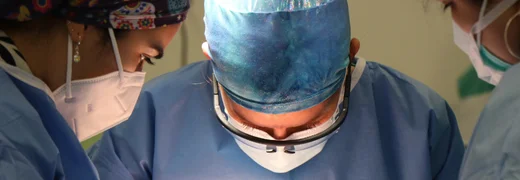
Gynecology and Obstetrics Departments of MEDICALPOINT INTERNATIONAL HOSPITAL assist many families to achieve happiness of having a child and make effort for healthy generations. Moreover, diagnosis and treatment services are provided under supervision of Gynecologists and Obstetricians.
Gynecology and Obstetrics Departments deal with many areas, such as general female health, menopause-osteoporosis, supervision of pregnancy, monitoring of high-risk pregnancies, assisted reproductive technologies and cancers of female reproductive organs.