Radiation Oncology:
Radiotherapy

Get Free Medical Opinion

Please enable JavaScript in your browser to complete this form.

Overview

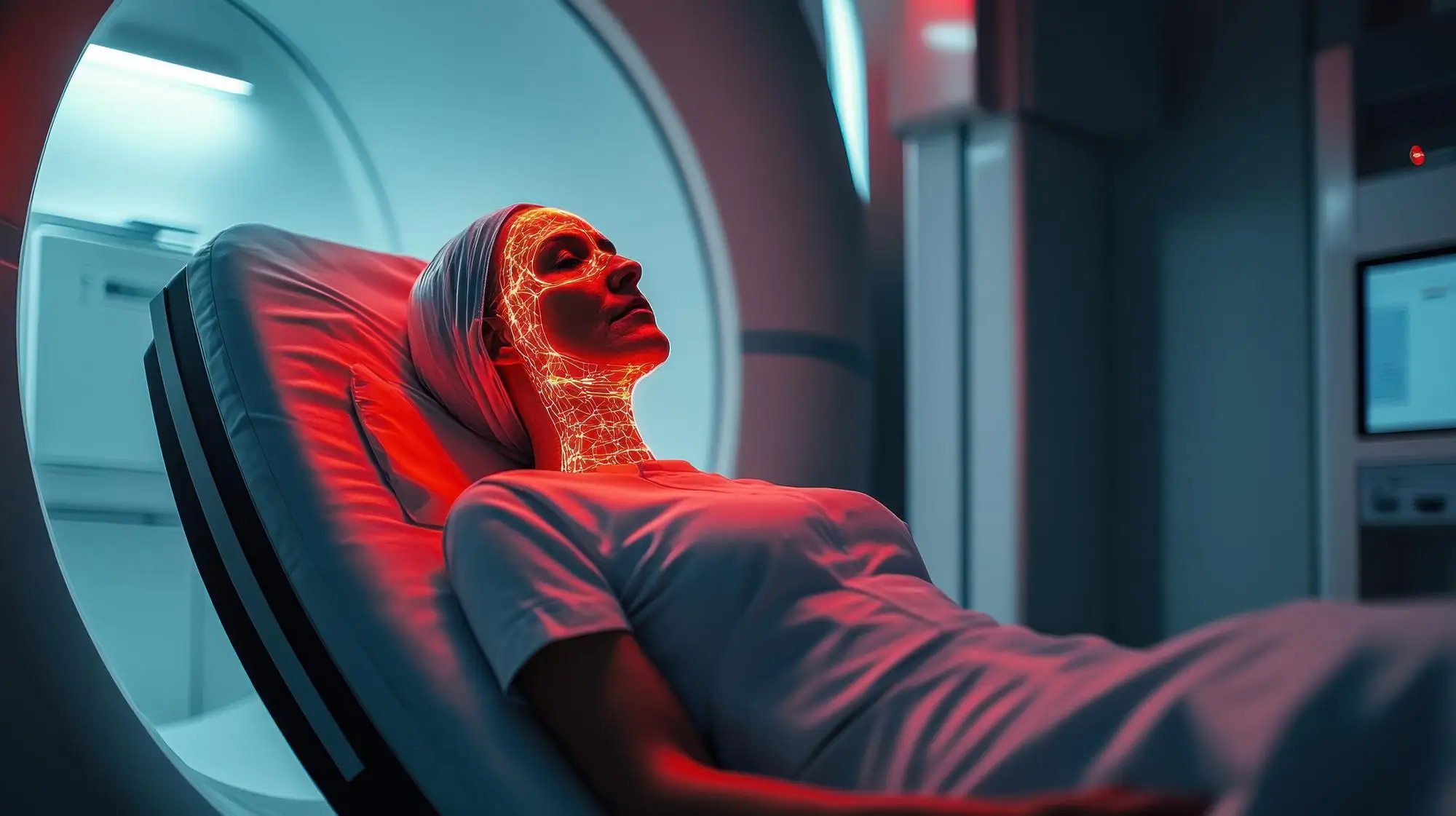
At MedicalPoint International Hospital, our Radiation Oncology Department provides world-class radiotherapy services using cutting-edge technology and a multidisciplinary approach. Radiotherapy is a vital component of modern cancer treatment, using high-energy radiation to target and destroy cancer cells while preserving healthy tissue as much as possible.

Our expert team of radiation oncologists, medical physicists, and radiation therapists work together to create personalized treatment plans tailored to each patient’s diagnosis, stage, and overall health. We offer a full spectrum of advanced radiotherapy techniques—including 3D conformal radiotherapy, IMRT (Intensity-Modulated Radiotherapy), IGRT (Image-Guided Radiotherapy), and stereotactic radiosurgery (SRS/SBRT)—to deliver safe, effective, and precise treatment.

MedicalPoint is committed to combining innovation, compassion, and clinical excellence to support patients throughout every stage of their cancer journey. With our patient-focused care and international service standards, we strive to make cancer treatment more effective, more comfortable, and more hopeful.

Video Reviews

Treatment Methods

In our hospital, patients who are determined to have cancer using advanced examinations are directed to this department if they have an indication for radiotherapy.

The main goal in the Department of Radiation Oncology is to destroy cancer cells, that is, tumors. In radiation therapy, the process of applying high doses of energy to the cancerous area is called radiotherapy or radiation therapy.

In our hospital, expert healthcare professionals determine and apply the best treatment method to treat tumor tissues and prevent damage to healthy tissues.

  • 3D Conformal Radiotherapy

  • Electron Therapy

  • IGRT

  • IMRT

  • Radiosurgery- SRS – SABR- SBRT

  • Radiotherapy

  • Stereotactic Ablative Body Radiotherapy (SABR)

  • Stereotactic Body Radiotherapy (SBRT)

  • Stereotactic Radiosurgery (SRT)

  • Volumetric Intensity Modulated Arc Therapy (VMAT)

What is Radiotherapy?

Radiotherapy, also known historically as “radiation therapy” or “X-ray therapy,” is a medical treatment that uses high-energy beams—most commonly X-rays, gamma rays, or particle beams—to destroy cancer cells or shrink tumors. It can be delivered externally from outside the body (external beam radiotherapy) or internally by placing a radioactive source close to or inside the tumor (brachytherapy).

The therapeutic use of radiation began shortly after the discovery of X-rays in the late 1800s, when physicians observed that tumors exposed to radiation could shrink or disappear. Over time, radiotherapy became one of the three main pillars of cancer treatment, alongside surgery and chemotherapy.

Today, advances in medical technology allow us to precisely target tumors while protecting healthy tissue, making radiotherapy safer and more effective than ever before. Globally, approximately 60% of cancer patients will require radiotherapy at some stage of their treatment. At MedicalPoint Hospital, our Radiation Oncology Department provides this critical treatment using state-of-the-art equipment and expert multidisciplinary care.

MedicalPoint International Hospital Radiation Oncology Radiotherapy

When is Radiotherapy Used?

Radiotherapy is a versatile treatment that can be used for almost all cancer types, depending on the tumor’s location, stage, and sensitivity to radiation. It may be recommended in different stages of care:

  • Before surgery (neoadjuvant radiotherapy) – to shrink the tumor and make surgery easier.
  • After surgery (adjuvant radiotherapy) – to destroy any remaining cancer cells.
  • In combination with chemotherapy – known as chemoradiotherapy, to improve effectiveness.
  • As a stand-alone treatment – when surgery is not possible.
  • For symptom relief (palliative radiotherapy) – to ease pain or control bleeding in advanced cancer.
 

Cancers commonly treated with radiotherapy include:

  • Brain tumors
  • Head and neck cancers
  • Lung cancer
  • Esophageal, stomach, pancreas, and bile duct cancers
  • Rectal and anal canal cancers
  • Cervical and uterine cancers
  • Skin cancers
  • Lymphomas
  • Pediatric cancers

Radiotherapy can also be used for benign (non-cancerous) tumors in selected cases.

How is Radiotherapy Performed?

At MedicalPoint Hospital, we use the latest image-guided and intensity-modulated radiotherapy technologies to deliver the exact dose needed to the tumor while minimizing exposure to surrounding healthy tissues.

The radiotherapy process includes:

  1. Consultation & Planning – You will meet with a radiation oncologist who will assess your medical history, imaging, and diagnosis.
  2. Simulation (Planning CT Scan) – A specialized scan maps the exact location of the tumor.
  3. Treatment Planning – Radiation oncologists and medical physicists work together to design a personalized treatment plan that maximizes tumor control and reduces side effects.
  4. Treatment Delivery – Sessions are usually given 5 days a week (Monday–Friday) for several weeks. Each session typically lasts 2–30 minutes, depending on the technique.
  5. Follow-Up – After treatment completion, you will have regular check-ups to monitor recovery and long-term results.
 

Our advanced devices allow us to deliver high precision radiation to the tumor, even in difficult-to-reach areas, while preserving surrounding organs such as the liver, kidneys, and intestines.

Possible Side Effects of Radiotherapy

Radiotherapy is painless during delivery. However, side effects can occur, depending on:

  • Your age and general health
  • The area being treated
  • The total dose and number of sessions
  • The type and quality of technology used
 

Side effects are generally classified into:

  • Early (acute) side effects – Occur during treatment or shortly after, such as fatigue, skin redness, mild pain, or temporary loss of appetite.
  • Late (chronic) side effects – May occur months or years later, such as tissue stiffness or changes in skin color in the treated area.
 

Important points about radiotherapy side effects:

  • Most are temporary and improve within weeks after treatment ends.
  • Medications and supportive care can help manage discomfort.
  • Weekend breaks in treatment allow healthy cells to recover.
  • You do not become radioactive—it is completely safe to be around family, children, and friends after your sessions.

Radiotherapy in Daily Life

  • Eat a balanced diet and drink enough fluids to support your body during treatment.
  • Rest when needed, but remain lightly active to maintain strength.
  • Wear comfortable, loose clothing to avoid irritating the treatment area.
  • Protect your skin from excessive sun exposure in the treated area.

Why Choose MedicalPoint Hospital for Radiotherapy?

At MedicalPoint Hospital, our Radiation Oncology Department is equipped with:

  • Cutting-edge radiotherapy devices including IMRT, VMAT, IGRT, and stereotactic systems
  • Internationally experienced radiation oncologists and medical physicists
  • Integrated cancer care with surgery, chemotherapy, immunotherapy, and supportive care all in one center
  • Personalized treatment plans for every patient
  • Comfort-focused patient services, including translation support for international patients
 

We understand that radiotherapy is not just a medical procedure—it is an emotional journey. Our compassionate team ensures that you receive timely, safe, and precise treatment while feeling supported at every step.

Quick Facts about Radiotherapy at MedicalPoint Hospital

  • Painless treatment – You won’t feel the radiation.
  • No residual radiation – Safe contact with others after sessions.
  • Flexible scheduling – Treatments usually take only a small part of your day.
  • High success rates – Thanks to advanced targeting and planning.
  • Multilingual care – Communication support for patients from around the world.

Conclusion

Radiotherapy remains one of the most powerful tools in the fight against cancer. At MedicalPoint Hospital, we combine medical expertise, advanced technology, and personalized care to achieve the best possible outcomes while preserving quality of life.

If you or a loved one has been advised to undergo radiotherapy, our team is here to guide you through each stage with clarity, compassion, and confidence.

Contact MedicalPoint Hospital’s Radiation Oncology Department today to learn more or book a consultation.

References:

National Cancer Institute. Radiation Therapy for Cancer. https://www.cancer.gov

American Society for Radiation Oncology (ASTRO). Patient Resources. https://www.astro.org

World Health Organization. Cancer Treatment. https://www.who.int

FAQ

What is radiation oncology?

Radiation oncology is a medical specialty that uses high-energy radiation to treat cancer. It is a vital part of cancer care and is often used alone or in combination with surgery, chemotherapy, or immunotherapy to destroy cancer cells and shrink tumors.

What types of cancers can be treated with radiotherapy?

Radiotherapy is used to treat many types of cancers, including:

  • Brain tumors

  • Head and neck cancers

  • Breast cancer

  • Lung cancer

  • Prostate cancer

  • Cervical and uterine cancers

  • Esophageal and rectal cancers

  • Liver and pancreatic cancers

  • Bone and soft tissue sarcomas

  • Lymphomas and skin cancers

It can also be used for palliative purposes—to relieve pain or control symptoms in advanced cancers.

How does radiation therapy work?

Radiation therapy uses high-energy rays or particles to destroy cancer cells by damaging their DNA, preventing them from growing or dividing. The treatment is carefully targeted to affect cancer cells while minimizing harm to nearby healthy tissue.

What types of radiotherapy are available at Medical Point?

Medical Point offers cutting-edge radiation treatments, including:

3D Conformal Radiotherapy (3D-CRT)

Intensity-Modulated Radiation Therapy (IMRT)

Image-Guided Radiation Therapy (IGRT)

Stereotactic Radiosurgery (SRS) for brain lesions

Stereotactic Body Radiotherapy (SBRT) for lung, liver, and spine tumors

Brachytherapy (internal radiation)

Palliative radiotherapy for symptom relief

Is radiotherapy painful?

No. Radiation therapy is painless, similar to having an X-ray. Patients do not feel the radiation during treatment sessions.

How long does a typical radiotherapy treatment take?

Most treatments last 10–30 minutes per session.

The course can range from 1 session (for stereotactic treatment) to 5–7 weeks of daily treatments, depending on the cancer type and stage.

What are the side effects of radiotherapy?

Side effects depend on the area being treated but may include:

  • Fatigue

  • Skin irritation (like sunburn)

  • Hair loss (in the treated area)

  • Nausea or loss of appetite

  • Difficulty swallowing or changes in bowel habits

Most side effects are temporary and manageable, and our team provides comprehensive care to reduce discomfort.

Is radiation therapy safe?

Yes. Modern radiation therapy is highly precise and safe, with technology that targets tumors while sparing surrounding healthy tissue. Our specialists follow international protocols to ensure maximum safety.

Can I continue normal activities during radiotherapy?

In many cases, yes. Most patients are encouraged to:

Stay active

Eat a healthy diet

Rest as needed
However, individual energy levels may vary, and our team will guide you based on your condition.

DOCTORS

ALI IHSAN SERAN compressed
Spec. Ali İhsan Şeran, M.D.
Radiation Oncology
MedicalPoint Gaziantep Hospital
MedicalPoint International Hospital Spec. Cenk Ahmet Sen Radiation Oncology
Spec. Cenk Ahmet Şen, M.D.
Radiation Oncology Senology Center
MedicalPoint Izmir Hospital

WHAT WE'RE TALKING ABOUT