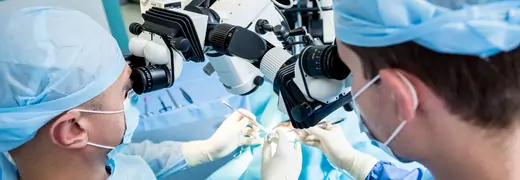
Pediatric Hematology
& Oncology
Get Free Medical Opinion
Overview
Diagnosis, treatment and follow-up of pediatric blood diseases and cancers require a multidisciplinary approach; considering this fact, all necessary units work cooperatively for quick and ideal treatment services regarding supervision of such diseases in our hospital. All laboratory tests which are required for diagnosis and supervision of these diseases but cannot be analyzed in our country are delivered to reference laboratories in the world.
“Multidisciplinary Pediatric Tumor Council” is organized with participation of pediatric surgery, pediatric radiology, radiation oncology, nuclear medicine, pathology, neurosurgery, otorhinolaryngology, orthopedics and other departments, when necessary, in addition to Pediatric Hematology and Oncology team. Optimal practice is discussed and planned for diagnosis, treatment and follow-up of each patient in these councils in the form of a joint protocol.
Treatment Methods in Pediatric Hematology
Pediatric hematology focuses on the diagnosis and treatment of blood-related disorders in children, ranging from benign conditions to complex inherited diseases. Treatment strategies are individualized based on the child’s age, disease severity, genetic background, and overall health status.
Common treatment methods in pediatric hematology include:
Medical therapy: Iron supplementation for iron-deficiency anemia, vitamin support, immunosuppressive drugs for immune-mediated disorders such as ITP.
Blood and platelet transfusions: Used in severe anemia, bone marrow failure syndromes, and bleeding disorders.
Factor replacement therapy: Essential for children with hemophilia and inherited clotting disorders.
Bone marrow (stem cell) transplantation: Applied in selected cases such as thalassemia major, severe aplastic anemia, and certain congenital marrow failure syndromes.
Supportive care and long-term monitoring: Growth, development, and organ functions are closely followed during and after treatment.
In pediatric hematology and oncology in Turkey, advanced laboratory diagnostics and internationally accepted treatment protocols are used to ensure safe and effective care.
Treatment Methods in Pediatric Oncology
Pediatric oncology involves the comprehensive management of childhood cancers, requiring precise diagnosis, risk stratification, and multidisciplinary coordination. Treatment plans are created according to international pediatric oncology guidelines and tailored to each patient.
Main pediatric oncology treatment methods include:
Chemotherapy: The cornerstone treatment for leukemias, lymphomas, and many solid tumors.
Surgical interventions: Performed by experienced pediatric surgeons for tumor removal and biopsy.
Radiation therapy: Carefully planned to minimize long-term side effects in growing children.
Targeted and biological therapies: Used in selected cancers based on molecular and genetic tumor characteristics.
Stem cell transplantation: Applied in high-risk or relapsed malignancies.
Supportive and palliative care: Focused on symptom control, nutrition, infection prevention, and psychological support.
Pediatric oncology treatment in Turkey is delivered in specialized centers where child-friendly environments and family-centered care are prioritized.
Pediatric Oncology in Turkey
Turkey has become an important regional center for pediatric oncology, offering high-quality medical services supported by modern infrastructure and experienced specialists. Hospitals providing pediatric oncology in Turkey operate with multidisciplinary tumor boards and follow evidence-based international treatment protocols.
Key advantages of pediatric oncology in Turkey include:
Advanced diagnostic laboratories and imaging technologies
Access to modern chemotherapy and radiotherapy systems
Multidisciplinary pediatric tumor councils
Cost-effective treatment compared to many Western countries
Comprehensive follow-up and survivorship programs
These factors make Turkey a preferred destination for both local and international families seeking reliable pediatric cancer care.
Types of Pediatric Hemato-Oncology Treatment in Turkey
Pediatric hemato-oncology treatment in Turkey covers a wide spectrum of services designed to address both blood disorders and cancers in children. These services include:
Diagnostic hematology and oncology clinics
Outpatient and inpatient chemotherapy units
Pediatric bone marrow transplantation centers
Advanced pathology and genetic testing
Nuclear medicine and molecular imaging
Long-term follow-up and late-effect monitoring
Through coordinated care models, pediatric hematology and oncology in Turkey ensures continuity from diagnosis to recovery and long-term health supervision.
Why Choose Turkey for Pediatric Oncology and Hematology?
Families choose Turkey for pediatric oncology and hematology treatment due to a combination of medical excellence, accessibility, and patient-centered care. Hospitals offering pediatric oncology treatment in Turkey emphasize safety, transparency, and emotional support for both children and their families.
Reasons to choose Turkey include:
Experienced pediatric hematologists and oncologists
Internationally accredited hospitals
Multidisciplinary treatment planning
Short waiting times for diagnosis and therapy
Affordable treatment packages for international patients
Dedicated international patient services and interpreters
With its integrated healthcare approach, Turkey continues to be a trusted destination for pediatric hematology and oncology care.
What is pediatric hematology and oncology?
Pediatric hematology and oncology is a medical specialty focused on diagnosing and treating blood disorders and cancers in children and adolescents. It covers conditions such as anemia, bleeding disorders, leukemia, lymphoma, and solid tumors, using age-specific and evidence-based treatment approaches.
Which diseases are treated in pediatric hematology and oncology in Turkey?
Pediatric hematology and oncology in Turkey treats a wide range of conditions, including anemia, thalassemia, hemophilia, leukemia, lymphoma, brain tumors, neuroblastoma, bone cancers, and other childhood malignancies. Both benign blood disorders and complex cancers are managed by multidisciplinary teams.
What treatment options are available for pediatric oncology in Turkey?
Pediatric oncology treatment in Turkey includes chemotherapy, surgery, radiation therapy, targeted therapies, immunotherapy, and bone marrow (stem cell) transplantation. Treatment plans are tailored to each child and follow internationally accepted pediatric oncology protocols.
Is pediatric oncology treatment in Turkey safe and reliable?
Yes. Pediatric oncology in Turkey is delivered in well-equipped hospitals by experienced pediatric hematologists and oncologists. Many centers operate according to international standards, use advanced diagnostic technologies, and apply globally recognized treatment guidelines.
How long does pediatric cancer treatment usually take?
The duration of pediatric oncology treatment depends on the type of cancer, its stage, and the child’s response to therapy. Some treatments may last a few months, while others require long-term therapy and follow-up over several years.
Are bone marrow transplants available for children in Turkey?
Yes. Turkey has specialized pediatric bone marrow transplantation centers that perform stem cell transplants for both malignant and non-malignant blood diseases. These procedures are carried out under strict international safety and quality standards.
What role do multidisciplinary tumor councils play in treatment?
Multidisciplinary pediatric tumor councils bring together specialists from pediatric hematology and oncology, surgery, radiology, pathology, radiation oncology, and other relevant departments. These councils ensure that each child receives an optimized and coordinated treatment plan.
Can international patients receive pediatric hematology and oncology treatment in Turkey?
Yes. Many hospitals offering pediatric oncology treatment in Turkey have dedicated international patient departments. These services include treatment planning, medical coordination, translation support, and assistance with travel and accommodation.
Why do families choose Turkey for pediatric oncology and hematology treatment?
Families choose Turkey due to experienced medical teams, advanced technology, multidisciplinary care models, shorter waiting times, and cost-effective treatment options. Turkey is increasingly recognized as a trusted destination for pediatric hematology and oncology care.
Is long-term follow-up provided after treatment?
Yes. Long-term follow-up is a critical part of pediatric hemato-oncology treatment in Turkey. Survivorship programs monitor growth, development, organ function, and potential late effects of therapy to ensure the child’s long-term health and quality of life.
Conditions and Treatments
Blood Disorders (Hematology)
Anemia (iron-deficiency, thalassemia, sickle cell disease)
Hemophilia and bleeding/clotting disorders
Idiopathic thrombocytopenic purpura (ITP)
White blood cell abnormalities
Bone marrow failure syndromes
Cancers (Oncology)
Leukemia (ALL, AML)
Lymphoma (Hodgkin and non-Hodgkin)
Brain and spinal cord tumors
Neuroblastoma
Wilms tumor
Bone cancers (osteosarcoma, Ewing sarcoma)
Soft tissue sarcomas
Germ cell tumors

FAQ
Pediatric hematology and oncology is a medical specialty focused on the diagnosis and treatment of blood disorders and cancers in children, including infants, toddlers, adolescents, and young adults.
Our experienced team treats a wide range of conditions, including:
Blood Disorders (Hematology):
- Anemia (iron-deficiency, thalassemia, sickle cell disease)
- Hemophilia and bleeding/clotting disorders
- Idiopathic thrombocytopenic purpura (ITP)
- White blood cell abnormalities
- Bone marrow failure syndromes
Cancers (Oncology):
- Leukemia (ALL, AML)
- Lymphoma (Hodgkin and non-Hodgkin)
- Brain and spinal cord tumors
- Neuroblastoma
- Wilms tumor
- Bone cancers (osteosarcoma, Ewing sarcoma)
- Soft tissue sarcomas
- Germ cell tumors
Early signs may include:
Unexplained fatigue or pallor
Frequent infections or fever
Easy bruising or bleeding
Persistent bone or joint pain
Swollen lymph nodes or abdomen
Headaches with vomiting
Unusual lumps or masses
Sudden weight loss or loss of appetite
We use advanced diagnostic tools such as:
Complete blood count (CBC) and blood chemistry
Bone marrow biopsy
Genetic and molecular testing
Imaging (MRI, CT, PET-CT, ultrasound)
Lumbar puncture (for central nervous system involvement)
Pathology and immunohistochemistry for tumor evaluation
Medical Point offers a full spectrum of therapies, including:
Chemotherapy
Targeted therapy and immunotherapy
Radiation therapy (when needed)
Bone marrow (stem cell) transplantation (through partner centers)
Blood transfusion support
Pain and symptom management
Psychological and nutritional support
Yes. Children are not just “small adults.” Treatments are carefully adjusted for age, body size, and developmental needs, with a focus on minimizing side effects and supporting growth and quality of life.
Absolutely. We provide comprehensive support, including:
Child psychologists and counselors
Art and play therapy
Family education and peer support
Nutritional advice and physiotherapy
School reintegration planning
Thanks to modern medicine, many childhood cancers are highly treatable, especially when diagnosed early. The prognosis depends on the type and stage of the disease, but cure rates for many pediatric cancers now exceed 70–90%.
Yes. Our International Patient Services team offers:
Medical file review before arrival
Personalized treatment planning
Interpreter and cultural support
Visa and accommodation assistance
Long-term follow-up and coordination with home physicians
DOCTORS
WHAT WE'RE TALKING ABOUT
Life During and After IVF Treatment: What Patients Should Know

Prostate Cancer Treatment in Turkey

Coronary CT Angiography: Advanced Non-Invasive Imaging for Heart and Coronary Artery Health