Gastric Sleeve Surgery (Sleeve Gastrectomy) at MedicalPoint Hospital
Request Call Back
Overview
Gastric sleeve surgery, medically known as sleeve gastrectomy, is a proven and effective bariatric (weight loss) surgery designed to help individuals with clinically severe obesity achieve long-term, sustainable weight loss.
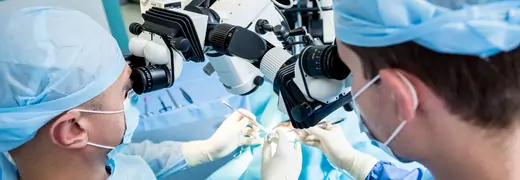
At MedicalPoint Hospital, our expert bariatric surgeons perform this procedure using advanced minimally invasive techniques, ensuring patient safety, comfort, and optimal recovery.
During the surgery, approximately 75–80% of the stomach is removed, leaving behind a narrow, tube-shaped “sleeve.” By physically reducing the stomach’s capacity, this procedure limits the amount of food you can eat and decreases the production of ghrelin — the hunger hormone — helping you feel full sooner and stay satisfied for longer.
Gastric sleeve surgery is more than a weight loss solution — it can also significantly improve or resolve obesity-related health conditions such as type 2 diabetes, high blood pressure, sleep apnea, and joint problems.
Who Can Benefit from Gastric Sleeve Surgery?
At MedicalPoint Hospital, we follow international bariatric surgery guidelines when evaluating patients for sleeve gastrectomy.
You may be a suitable candidate if:
- Your body mass index (BMI) is 40 or higher.
- Your BMI is between 35–39.9 and you have serious obesity-related health problems (e.g., diabetes, hypertension, severe sleep apnea).
- You have tried medically supervised diet and exercise programs without long-term success.
- You are committed to lifestyle changes and follow-up care after surgery.
Note: A full medical evaluation is essential. Our multidisciplinary team — including bariatric surgeons, endocrinologists, dietitians, and psychologists — will assess your overall health, eating habits, and readiness for surgery.
How the Procedure Works
At MedicalPoint Hospital, gastric sleeve surgery is performed under general anesthesia and typically takes 60–90 minutes. The procedure is usually done laparoscopically, meaning small incisions are used instead of one large opening.
Step-by-step:
- Anesthesia & Preparation
You are placed under general anesthesia to ensure you feel no pain during the surgery. - Creating the Sleeve
Using specialized surgical staplers, our surgeons remove about three-quarters of your stomach, leaving a slender, banana-shaped tube. - Preserving Digestive Function
Unlike gastric bypass surgery, the digestive system is not rerouted — the sleeve still connects to your intestines in the same way. - Reducing Hunger Signals
By removing the portion of the stomach that produces most ghrelin, appetite naturally decreases.
Most patients stay in the hospital for 1–3 days, and return to normal daily activities within 2–4 weeks.
Benefits of Gastric Sleeve Surgery
Patients at MedicalPoint Hospital often experience significant improvements not only in weight but also in overall health and quality of life.
Key Advantages:
- Significant, sustainable weight loss — often 50–70% of excess weight within 1–2 years.
- Reduction or remission of obesity-related diseases, including:
- Type 2 diabetes
- Hypertension
- High cholesterol
- Obstructive sleep apnea
- Improved mobility and reduced joint pain.
- Better mental health through improved self-confidence and energy levels.
- No intestinal rerouting — digestion remains more natural compared to gastric bypass.
Risks and Considerations
While sleeve gastrectomy is generally safe, it is still a major surgery and carries some potential risks, including:
- Bleeding or infection
- Staple line leakage
- Nutritional deficiencies (if post-surgery diet is not followed)
- Heartburn or acid reflux
At MedicalPoint Hospital, we minimize these risks through meticulous surgical techniques, advanced equipment, and comprehensive post-operative monitoring.
Recovery and Life After Surgery
Recovery Timeline:
- Hospital stay: 1–3 days
- Return to work: 2–4 weeks
- Full recovery: Around 6–8 weeks
Post-surgery diet progression:
- Liquid diet (first 1–2 weeks)
- Pureed foods (weeks 3–4)
- Soft foods (weeks 5–6)
- Regular solid foods (after week 6, with portion control)
Our MedicalPoint nutrition team provides personalized dietary plans to ensure proper healing and optimal nutrition.
Patients are also encouraged to attend follow-up visits for monitoring, lab tests, and lifestyle counseling.
Why Choose MedicalPoint Hospital for Your Gastric Sleeve Surgery?
At MedicalPoint, your health and safety come first. We provide:
- Board-certified bariatric surgeons with extensive experience in sleeve gastrectomy.
- State-of-the-art surgical facilities with advanced laparoscopic equipment.
- Multidisciplinary care including endocrinologists, dietitians, psychologists, and physical therapists.
- Individualized pre- and post-operative support, ensuring long-term success.
- International patient services, including language assistance, VIP transfers, and accommodation arrangements.
FAQ
Most patients lose 50–70% of their excess body weight within 12–18 months, provided they follow recommended diet and exercise plans.
Yes. Lifelong vitamin and mineral supplements (such as vitamin B12, iron, calcium, and vitamin D) are usually recommended.
No. Once the stomach portion is removed, it cannot be replaced.
Minimally invasive (laparoscopic) surgery leaves only small scars, which fade over time.
Yes, but it’s recommended to wait 12–18 months after surgery before conceiving, to allow for stable weight and nutritional balance.
Take the First Step Toward a Healthier Life
If you are struggling with severe obesity and related health conditions, gastric sleeve surgery at MedicalPoint Hospital can help you achieve lasting weight loss and a healthier future.
Our experienced team is here to guide you every step of the way — from your first consultation to your long-term follow-up care.
📞 Contact MedicalPoint Hospital today to schedule your bariatric surgery evaluation.
References:
- American Society for Metabolic and Bariatric Surgery (ASMBS) – https://asmbs.org
- National Institute of Diabetes and Digestive and Kidney Diseases (NIDDK) – https://www.niddk.nih.gov
WHAT WE'RE TALKING ABOUT

Weight Loss and GLP-1 Therapy: A Modern Approach to Sustainable Weight Management
Life During and After IVF Treatment: What Patients Should Know
Prostate Cancer Treatment in Turkey