Infectious Diseases
& Clinical Microbiology
Get Free Medical Opinion
Overview
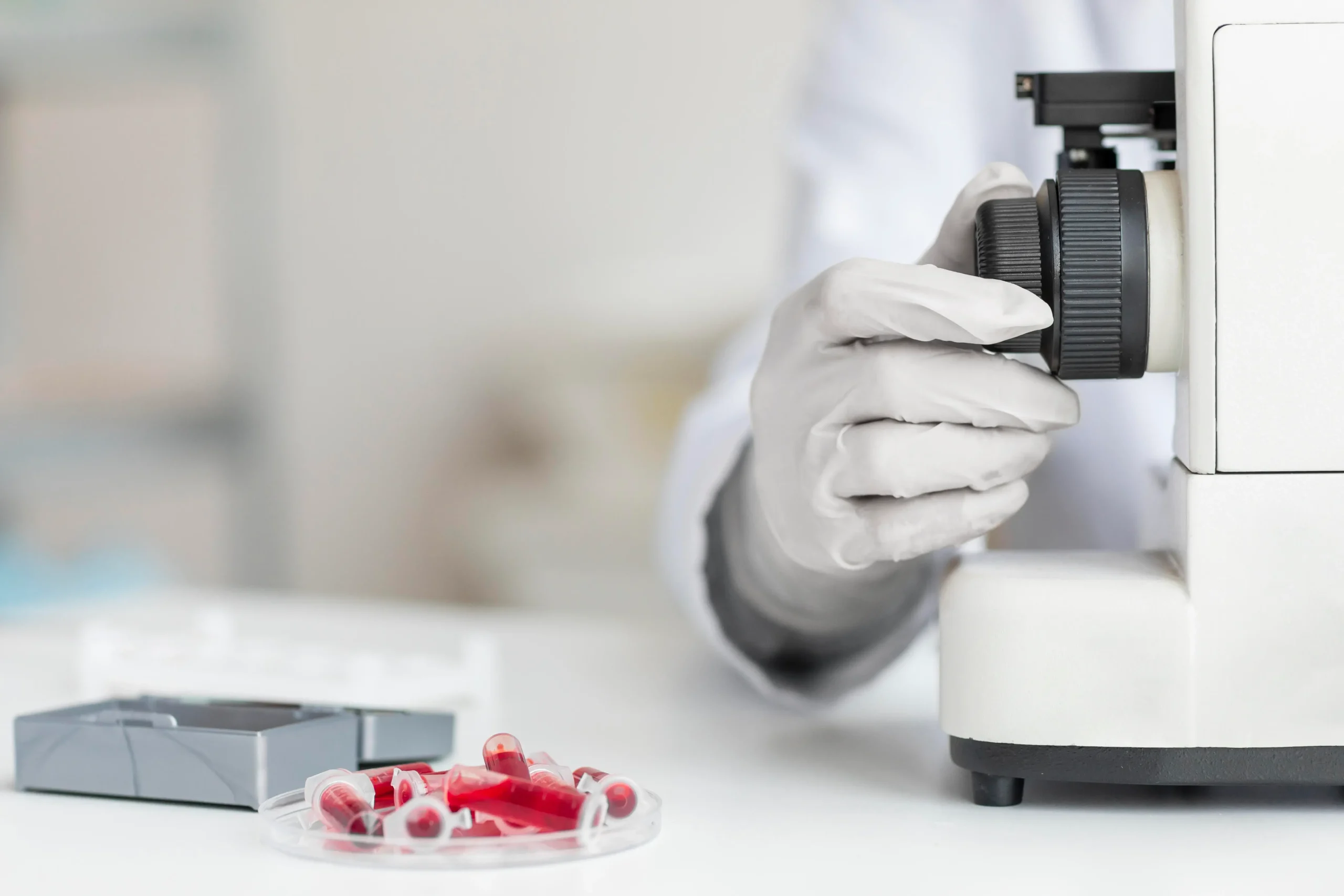
In our clinic, all kinds of diseases caused by microorganisms such as bacteria, viruses, fungi and parasites are handled by our specialist physicians with a multidisciplinary approach, and diagnosis, treatment and follow-up are carried out with precision. Our physicians perform a detailed examination after listening to the patient’s history, and then make a definitive diagnosis by evaluating laboratory tests such as fluid and tissue samples taken from the body and the necessary radiological imaging tests. They plan the appropriate treatment according to the cause of the disease.
In our clinic, all diseases caused by bacteria, viruses, fungi and parasites, sexually transmitted diseases, HIV, AIDS, jaundice (hepatitis), typhoid, brucellosis, tuberculosis and similar diseases, feverish diseases, urinary tract infections, flu, diarrhea, respiratory tract many diseases such as infections, brain and spinal cord infections such as meningitis and encephalitis, soft tissue infections, diabetic foot infections, food poisoning, intensive care and surgical site infections are treated. In addition to monitoring and treatment of these diseases, travel vaccinations, adult immunization (vaccination), and travel medicine consultancy services are also provided.
Our Infectious Diseases Unit also carries out the necessary work to control, monitor and minimize hospital infections; Provides training on this subject to patients, patient relatives and relevant personnel.
Video Reviews
Treatment Methods
Today, causative agents of infectious diseases are known, while causes of many diseases are not. Infectious diseases physicians of MEDICALPOINT INTERNATIONAL HOSPITAL study these diseases and serve patients in terms of follow-up at ambulatory and inpatient settings, nosocomial infection control, traveler’s sickness and adult vaccination.
The main goal of these efforts is to identify viruses, bacteria, fungi or parasites that cause the disease and implement relevant diagnosis and treatment methods.
-
Aneurysm Open and Closed Repair
-
Aortic Aneurysm Surgeries
-
Aortic Surgery
-
Arteriovenous Fistula Opening-Permanent Dialysis Catheter
-
Balloon - Angiography - Angioplasty
-
Carotid Artery Endarterectomy
-
Closed Aortic Surgery
-
Congenital Heart Surgery
-
Coronary Artery Bypass Surgery
-
Coronary Surgery
-
Deep Vein Thrombosis Treatment
-
Endovenous Ablation and Sclerotherapy
-
For Dialysis Purposes (Permanent Catheter Insertion, AV Fistula Opening)
-
Heart Valve Surgeries
-
Heart Valve Surgery
-
Laser Surgery
-
Leg Vascular Surgeries
-
Peripheral Artery Surgery
-
Sclerotherapy (foam) Treatment for Varicose Veins
-
Valve Repair and Replacements
-
Varicose Vein Surgeries
-
Venous Surgery
FAQ
The Infectious Diseases Department focuses on diagnosing, treating, and preventing infections caused by bacteria, viruses, fungi, and parasites. It also manages infection control within the hospital and provides care for patients with weakened immune systems.
We diagnose and treat a wide range of infectious conditions, including:
Respiratory infections (pneumonia, bronchitis, tuberculosis)
Urinary tract infections
Skin and soft tissue infections
Hepatitis A, B, and C
HIV/AIDS
Sepsis and bloodstream infections
COVID-19 and other viral illnesses
Tick-borne and travel-related infections
Parasitic and fungal infections

Clinical microbiology is a medical specialty that involves laboratory testing of patient samples (blood, urine, sputum, tissue, etc.) to identify infectious agents. It plays a vital role in diagnosing infections and guiding appropriate antibiotic or antiviral treatment.
You should seek medical attention if you experience:
High fever or chills
Persistent cough or sore throat
Unexplained fatigue
Skin redness, swelling, or pus
Painful or frequent urination
Diarrhea or vomiting lasting more than 2 days
Unusual body rashes
Signs of wound infection after surgery
Diagnosis may include:
Blood tests and cultures
Urine, stool, and sputum analysis
PCR and molecular tests (e.g., for COVID-19, hepatitis, HIV)
Antibody and antigen detection
Imaging studies (X-ray, CT scan) for deeper infections
Microbiological staining and culture in the lab
Our Clinical Microbiology Lab performs antibiotic susceptibility testing to ensure the most effective medications are used. We follow international guidelines to prevent overuse of antibiotics and promote responsible antimicrobial stewardship.
Yes. We offer vaccination for:
Hepatitis A & B
Influenza
COVID-19
HPV
Tetanus
Travel-related vaccines (e.g., yellow fever, typhoid)
Our specialists also provide pre-travel counseling and disease prevention strategies.
We have a dedicated infection control team that monitors and prevents the spread of infections within the hospital. Strict hygiene protocols, isolation procedures, and regular staff training ensure patient safety.
Yes. We offer long-term care and treatment plans for patients living with HIV, chronic hepatitis B and C, and other persistent infections. Treatment includes antiviral medications, regular monitoring, and immune system support.