
Gastroenterology:
Gastrointestinal Diseases
Get Free Medical Opinion
Overview
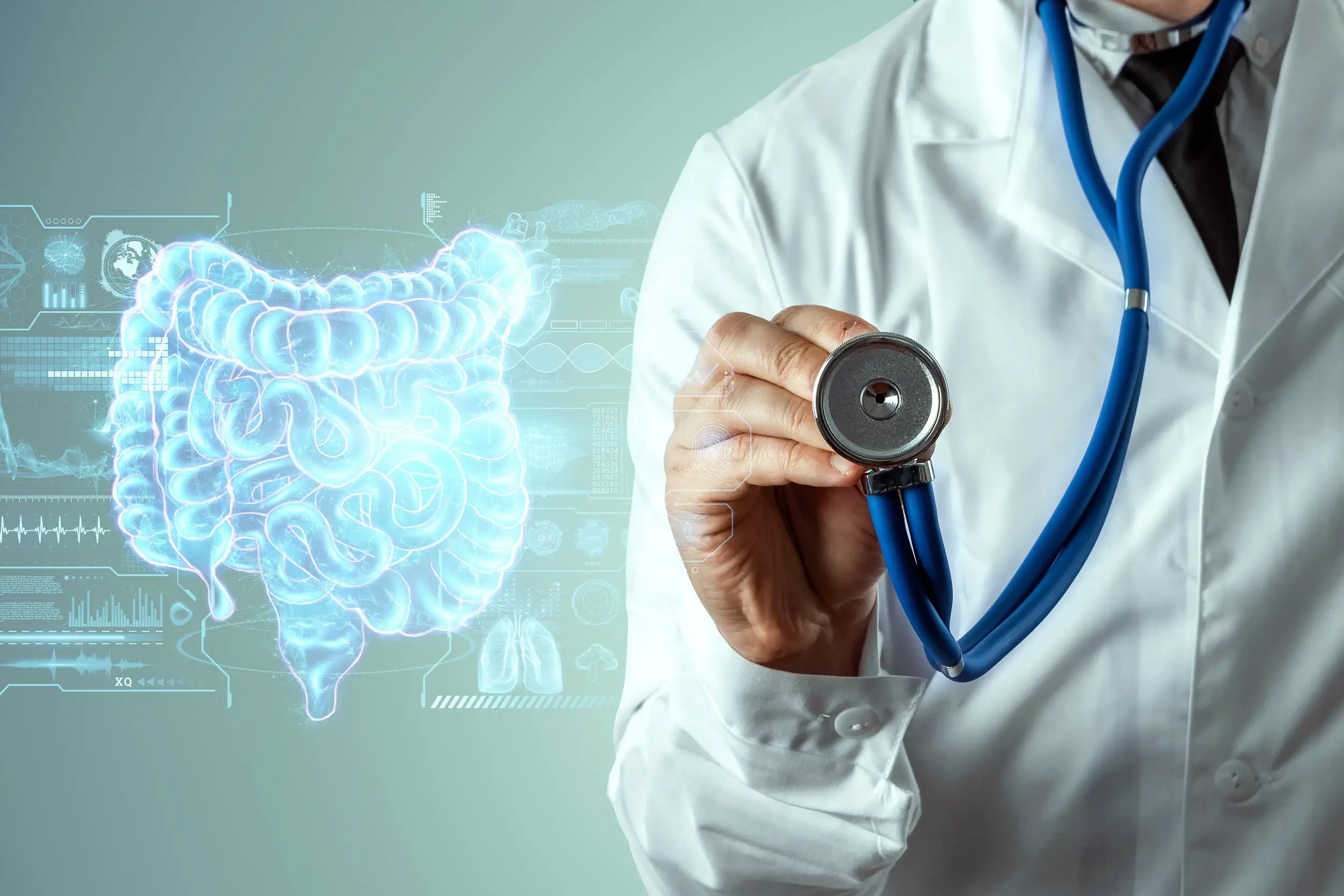
In our gastroenterology clinic, diseases ranging from the esophagus to the stomach, intestines, liver, pancreas and gallbladder are diagnosed and treated. Endoscopic procedures are also carried out successfully in our clinic for the purpose of diagnosis and treatment of diseases occurring in the digestive system. In our hospital, we have endoscopy units that prioritize patient comfort for endoscopic procedures and contain the latest technological equipment prepared in ideal conditions where physicians and healthcare personnel can work comfortably. The maintenance and hygiene of our units are fully ensured. During endoscopy procedures, anesthesia is also applied to ensure that our patients can have the procedure comfortably without pain.
In our clinic, we treat liver disorders, gallbladder diseases (stones, inflammation), pancreatic diseases, small intestine diseases, inflammatory bowel diseases (chron, colitis ulcerosa), motility disorders (constipation, diarrhea), digestive disorders such as indigestion, peptic ulcer, gastroesophageal reflux, gastritis. System disorders as well as digestive system bleeding are treated. In addition, diagnosis and treatment of esophagus, stomach, small intestine, large intestine and liver cancers, irritable bowel syndrome, hemorrhoids, spastic colon, liver cirrhosis, Hepatitis BCD, chronic hepatitis and Celiac disease are also performed. The department provides service to all patients applying for these diseases starting from the age of 15.
Video Reviews

Treatment Methods
FAQ
A gastroenterologist is a medical doctor who specializes in diagnosing and treating diseases of the digestive system, which includes the esophagus, stomach, intestines, liver, pancreas, and gallbladder.
Our department offers comprehensive care for a wide range of gastrointestinal conditions, including:
Gastroesophageal reflux disease (GERD)
Peptic ulcers and gastritis
Irritable bowel syndrome (IBS)
Inflammatory bowel diseases (Crohn’s disease, ulcerative colitis)
Liver diseases (hepatitis, fatty liver, cirrhosis)
Pancreatic diseases
Gallbladder stones and biliary disorders
Constipation and diarrhea
Gastrointestinal bleeding
Colon polyps and colorectal cancer
You should see a gastroenterologist if you experience:
Frequent abdominal pain or bloating
Nausea or vomiting
Heartburn or acid reflux
Constipation or diarrhea
Blood in stool or black-colored stools
Unintended weight loss
Chronic fatigue (possibly due to digestive blood loss)
Jaundice (yellowing of skin and eyes)
We use advanced endoscopic and imaging tools, including:
Gastroscopy (upper endoscopy)
Colonoscopy
Endoscopic Ultrasound (EUS)
Capsule endoscopy
Liver function tests
Abdominal ultrasound, CT, and MRI
H. pylori testing
Liver biopsy when needed
Endoscopic procedures such as gastroscopy and colonoscopy are performed with sedation to ensure patient comfort. You will not feel pain during the procedure and can return home the same day.
Treatment options include:
Dietary and lifestyle changes
Acid-reducing medications (PPIs)
Endoscopic or surgical interventions for severe cases
Our team provides personalized plans based on symptom severity and diagnostic results.
Yes, many digestive issues can be prevented or managed through:
Healthy diet and hydration
Regular physical activity
Avoiding excessive alcohol and smoking
Managing stress
Routine screening (e.g., colonoscopy after age 45)
Yes. We provide colonoscopy, stool tests, and polyp removal services. Early detection significantly increases the success rate of colon cancer treatment. Regular screening is recommended starting at age 45, or earlier if you have a family history.
We evaluate liver health using:
Blood tests (ALT, AST, bilirubin)
FibroScan or liver ultrasound
Liver biopsy (if necessary)
Treatment depends on the cause (e.g., viral hepatitis, fatty liver, alcohol-related damage) and may include medication, lifestyle changes, or advanced therapies in collaboration with hepatology specialists.
DOCTORS
WHAT WE'RE TALKING ABOUT

Living with Fibromyalgia: Practical Ways to Reduce Pain, Improve Energy, and Regain Quality of Life

Weight Loss and GLP-1 Therapy: A Modern Approach to Sustainable Weight Management
Life During and After IVF Treatment: What Patients Should Know



Early Diagnosis Saves Lives: Colon Polyp Removed Without Surgery