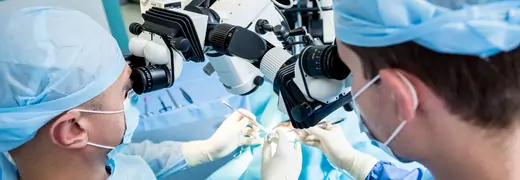
Balloon Angioplasty and Stent Placement
Request Call Back
Balloon angioplasty and stent placement in the limb arteries is a minimally invasive procedure designed to treat narrowing or blockages in the arteries of the arms or legs. These blockages are typically caused by atherosclerosis, a condition where fatty deposits (plaques) accumulate inside the blood vessels, restricting blood flow.
During the procedure, a thin catheter with a deflated balloon at its tip is inserted into the affected artery. Once positioned at the site of narrowing, the balloon is inflated, expanding the vessel and restoring blood flow. To maintain the artery’s openness and prevent re-narrowing, a metallic stent is often implanted. This small mesh tube acts as a scaffold, keeping the artery structurally supported.
Balloon angioplasty and stent placement are typically performed under local anesthesia, allowing patients to remain awake while minimizing discomfort. Compared to traditional open surgery, this method is less invasive, associated with shorter recovery times, and can be performed on an outpatient basis in many cases.
Why is This Procedure Necessary?
Balloon and stent procedures are primarily indicated for peripheral arterial disease (PAD), a condition characterized by the narrowing or blockage of arteries supplying blood to the limbs. PAD can cause a variety of symptoms and health risks:
- Intermittent claudication: Pain, cramping, or fatigue in the legs while walking or performing physical activity.
- Numbness or weakness: Reduced blood flow can impair sensation or strength in the affected limb.
- Cold extremities: Limited circulation may cause the hands or feet to feel unusually cold.
- Non-healing wounds or ulcers: Chronic poor perfusion can delay healing.
- Color changes: The skin may appear pale, bluish, or darker in affected areas.
Patients with risk factors such as diabetes, hypertension, high cholesterol, or smoking are more susceptible to PAD and subsequent limb artery blockages. Balloon angioplasty and stent placement are considered when:
- Medications and lifestyle interventions fail to adequately improve symptoms.
- The artery is significantly narrowed or completely blocked.
- There is a risk of severe complications, including tissue death or limb loss.
Early intervention can restore circulation, reduce symptoms, and prevent long-term complications.
The Procedure Step by Step
- Preparation: The patient undergoes imaging studies, typically angiography, to locate and assess the blockage.
- Accessing the artery: A small incision is made, usually in the groin, arm, or wrist, to insert the catheter.
- Balloon inflation: The catheter is guided to the narrowed segment, and the balloon is inflated to widen the artery.
- Stent placement: If needed, a stent is deployed to keep the vessel open permanently.
- Verification: Post-procedure imaging ensures proper blood flow and correct stent positioning.
- Closure and recovery: The catheter is removed, and pressure is applied to prevent bleeding. Patients may be observed for several hours or overnight depending on the procedure complexity.
The procedure is generally safe, with minimal discomfort, and allows for faster recovery compared to open vascular surgery.
Post-Procedure Care and Follow-Up
After balloon angioplasty and stent placement, careful post-procedure care is essential for optimal outcomes:
- Hospital monitoring: Patients may stay briefly under observation to detect early complications.
- Wound care: The catheter insertion site is monitored for bleeding, bruising, or infection.
- Medication adherence: Antiplatelet or anticoagulant medications are prescribed to prevent clot formation within the stent.
- Lifestyle modifications:
- Quit smoking to reduce arterial damage.
- Maintain a balanced diet to manage cholesterol and blood pressure.
- Engage in regular physical activity to improve circulation.
- Regular follow-ups: Scheduled visits with a vascular surgeon or interventional cardiologist ensure the stent remains functional and assess long-term limb health.
Adherence to post-procedure instructions significantly improves stent patency rates and reduces the risk of re-narrowing or complications.
Risks and Potential Complications
While balloon angioplasty and stent placement are minimally invasive and generally safe, some risks exist:
- Bleeding or hematoma at the catheter insertion site.
- Arterial damage or dissection during catheter manipulation.
- Infection in the vessel or surrounding tissue.
- Restenosis, or re-narrowing of the treated artery.
- Blood clots, potentially leading to limb ischemia.
Most complications are manageable with prompt medical attention, and careful patient selection minimizes these risks.
Benefits of Balloon and Stent Procedures
The advantages of this procedure include:
- Symptom relief: Reduction of pain, numbness, and cramping in affected limbs.
- Improved blood flow: Restored oxygen delivery enhances tissue health and wound healing.
- Minimally invasive: Smaller incisions, less pain, and shorter recovery time.
- Lower risk than open surgery: Reduced complications, especially in patients with comorbidities.
- Prevention of severe outcomes: Minimizes the risk of gangrene or limb amputation in severe PAD.
For patients with PAD or other limb artery diseases, early intervention can dramatically improve quality of life and long-term vascular health.
Conclusion
Balloon angioplasty and stent placement in the limb arteries are effective, safe, and minimally invasive treatments for restoring circulation in patients with arterial narrowing or blockages. Proper patient selection, timely intervention, and disciplined post-procedure care are critical for achieving long-term success. Individuals experiencing symptoms such as leg pain while walking, cold extremities, or non-healing ulcers should consult a vascular surgeon or interventional cardiologist at MedicalPoint Hospital as soon as possible. Early evaluation and treatment can prevent serious complications and preserve limb function, significantly improving overall quality of life.
References / Sources:
- Norgren L, et al. Inter-Society Consensus for the Management of Peripheral Arterial Disease (TASC II). J Vasc Surg. 2007;45 Suppl S:S5-67.
- Conte MS, Bradbury AW. Global Vascular Guidelines on the Management of Peripheral Artery Disease. J Vasc Surg. 2019;69(6S):3S–125S.
- American Heart Association. “Peripheral Artery Disease: Diagnosis and Treatment.” 2024.
WHAT WE'RE TALKING ABOUT
Life During and After IVF Treatment: What Patients Should Know

Prostate Cancer Treatment in Turkey

Coronary CT Angiography: Advanced Non-Invasive Imaging for Heart and Coronary Artery Health