Surgical Oncology
Get Free Medical Opinion
Overview
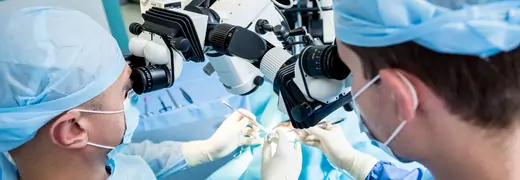
Surgical oncology is a field of medicine that uses surgery to treat cancer. Its main goal is to find harmful tumors in your body and remove them. Doctors who practice surgical oncology can also see if you have cancer or find out if the disease has spread to other parts of your body.
Treatment Methods
Oncologists are doctors who help to prevent and to treat cancer. They work with your primary care doctor to come up with a treatment plan for you. Surgical oncologists use surgery to improve your condition.
Their main job is to remove tumors and nearby tissue that has cancer cells in it. They also do procedures called biopsies that tell if you have cancer and how severe it is.
-
Cancer Vaccines
-
Chemotherapy
-
Clinical Research/Experimental Medical Research
-
Genetic Profiling
-
Immunotherapy
-
Oncological Surgery
-
Second Opinion Genetic Treatment
-
Smart Drug Applications
FAQ
Oncological surgery involves the surgical removal of tumors and cancerous tissues from the body. It is often a primary or supportive treatment for many types of cancer and may be used alongside chemotherapy, radiation therapy, or targeted therapy.
Our expert surgical team treats a wide range of cancers, including:
Breast cancer
Colorectal cancer
Stomach and esophageal cancer
Liver and pancreatic cancer
Lung cancer (in coordination with Thoracic Surgery)
Thyroid and parathyroid tumors
Ovarian, uterine, and cervical cancers
Skin and soft tissue tumors (melanoma, sarcoma)
Head and neck cancers
Kidney, bladder, and prostate cancers
Not always. Surgery is often part of a multidisciplinary treatment plan. In some cases, non-surgical treatments like chemotherapy or radiotherapy may be used first to shrink tumors. Our team collaborates with medical oncologists and radiologists to determine the best approach.
Yes. Whenever appropriate, we use laparoscopic and robotic-assisted techniques, which result in:
Smaller incisions
Less pain
Faster recovery
Reduced hospital stays
Minimal impact on surrounding healthy tissue
Surgery may also be used to:
Obtain tissue samples for biopsy and staging
Explore the extent of cancer spread
Insert medical devices (e.g., ports or feeding tubes) for cancer treatment
Perform preventive surgery for high-risk patients (e.g., mastectomy for BRCA mutation carriers)
Our surgeons use intraoperative imaging, frozen section pathology, and advanced navigation systems to ensure clear surgical margins—meaning no cancer cells are left behind. This reduces the risk of recurrence.
Yes. In collaboration with our Plastic and Reconstructive Surgery team, we offer procedures such as:
Breast reconstruction after mastectomy
Skin grafts or flap surgery
Reconstructive procedures for head, neck, or abdominal wall defects
Recovery time depends on the type and complexity of the surgery. Some patients go home within a few days, while others may need longer hospitalization or follow-up rehabilitation. We provide detailed post-operative care and support.
DOCTORS
WHAT WE'RE TALKING ABOUT
Life During and After IVF Treatment: What Patients Should Know
Prostate Cancer Treatment in Turkey
Coronary CT Angiography: Advanced Non-Invasive Imaging for Heart and Coronary Artery Health