What Is a Targeted Therapy Drug (Smart Drug)? How Should It Be Used in Cancer Treatment?
Request Call Back
What Is a Smart Drug?
Despite major advancements in medicine and healthcare technologies, cancer remains one of the leading causes of death worldwide. Traditional cancer treatments such as chemotherapy have been effective for decades, but they come with a significant downside: they do not distinguish between cancerous and healthy cells, often damaging both. This leads to serious side effects and can limit the dosage or duration of treatment, potentially allowing cancer cells to become resistant.
To overcome these limitations, smart drugs, also known as targeted therapies, have been developed. These medications are designed to interfere with specific molecular mechanisms that cancer cells rely on to grow and spread. Unlike conventional chemotherapy, smart drugs aim to minimize harm to normal, healthy cells, improving patient outcomes and quality of life.
In simple terms, a smart drug is a modern anti-cancer therapy designed to block or disrupt the growth and survival of cancer cells based on their unique genetic or molecular traits.
How Do Smart Drugs Work?
Smart drugs target the specific genetic mutations or proteins that cancer cells use to multiply, survive, and spread. By focusing treatment on these precise mechanisms, they reduce damage to surrounding healthy tissues and help prevent tumor progression.
There are two main types of smart drugs:
1. Monoclonal Antibodies
- Large, lab-engineered proteins that bind to specific targets on the surface of cancer cells.
- Often delivered via IV infusion.
- Sometimes combined with chemotherapy or immunotherapy.
2. Small Molecule Inhibitors
- Oral drugs that enter cancer cells and block internal signals needed for growth.
- One well-known class is tyrosine kinase inhibitors (TKIs).
A landmark example of smart drug development involves the epidermal growth factor receptor (EGFR). EGFR is a protein that regulates cell growth and division. Mutations or overexpression of EGFR can lead to cancers such as:
- Lung
- Brain
- Head and neck
- Bladder
- Ovarian
- Breast
- Cervical
- Prostate
TKIs that target EGFR mutations can induce cancer cell death while sparing healthy cells. These targeted treatments are associated with fewer side effects than standard chemotherapy and are increasingly favored in modern oncology.
Which Types of Cancer Are Treated with Smart Drugs?
Smart drugs are used in cancers where specific genetic mutations or protein expressions have been identified. These treatments are highly individualized, based on biomarker testing and molecular diagnostics.
Cancers Commonly Treated with Smart Drugs:
- Brain cancer
- Head and neck cancer
- Ovarian cancer
- Breast cancer
- Kidney cancer
- Esophageal cancer
- Thyroid cancer
- Lung cancer
- Leukemia
- Stomach (gastric) cancer
- Bladder cancer
- Cervical cancer
- Colon cancer
- Liver cancer
- Prostate cancer
- Pancreatic cancer
These cancers often carry mutations that can be directly targeted by existing FDA-approved smart drugs or drugs in development.
Important Considerations When Using Smart Drugs
While smart drugs are a major advancement in oncology, their use must be tailored to each patient’s individual condition. Several factors are considered before initiating therapy:
Personalized Treatment Planning
- Genetic testing of the tumor
- Patient’s age and overall health
- Cancer stage and location
- Previous treatment history
Smart drugs may be used alone or in combination with other therapies, such as chemotherapy, immunotherapy, or hormone therapy.
Potential Side Effects and Reactions
Smart drugs generally have fewer systemic side effects than traditional chemotherapy, but they can still cause issues, including:
- Mild allergic reactions: Itching, redness, nasal congestion, or rash
- Severe hypersensitivity: Throat swelling, voice changes, difficulty swallowing, shortness of breath, low blood pressure
- Other side effects:
- Skin rash (acne-like)
- Nail changes
- Hair thinning
- Hand-foot syndrome (redness, pain, or peeling on palms/soles)
In some cases, collaboration between oncologists and dermatologists may be needed to manage skin-related side effects effectively.
Safety Assessments and Monitoring
Before and during treatment, physicians evaluate:
- Drug absorption, distribution, metabolism, and elimination (pharmacokinetics)
- Toxicity levels on cells, tissues, and organs
- Immune reactions and inflammatory responses
- Long-term safety and potential organ accumulation
These assessments ensure that the therapy is both safe and effective for the patient’s condition.
Summary: Why Smart Drugs Are the Future of Cancer Care
Smart drugs represent a significant shift in cancer treatment—from one-size-fits-all approaches to precision medicine that targets cancer at the molecular level. Their advantages include:
✅ Targeted action on cancer cells
✅ Fewer adverse effects on healthy tissues
✅ Improved patient quality of life
✅Potential to overcome resistance seen in chemotherapy
With advancements in genomic profiling and biomarker discovery, the use of smart drugs is expected to grow rapidly.
If you or a loved one is undergoing cancer treatment and are interested in targeted therapy options, consult with a board-certified oncologist. Only specialists can determine if smart drug therapy is suitable based on your cancer type and genetic profile.
References
- National Cancer Institute – Targeted Cancer Therapies
- American Society of Clinical Oncology (ASCO) – Understanding Targeted Therapy
- FDA – Approved Targeted Therapies
- PubMed Central – EGFR and Targeted Cancer Therapy
Disclaimer: This article is for informational purposes only. It is not a substitute for professional medical advice, diagnosis, or treatment. Always consult your healthcare provider before starting any new cancer therapy.
Other Conditions

Plastic Surgery Recovery: Essential Tips for a Safe Healing Process and Long-Lasting Results
Living with Kidney Failure: Understanding the Condition, Treatment Options, and How to Maintain Your Quality of Life

Pituitary Gland Disorders: Understanding the “Master Gland” of the Endocrine System

Living with Fibromyalgia: Practical Ways to Reduce Pain, Improve Energy, and Regain Quality of Life

Weight Loss and GLP-1 Therapy: A Modern Approach to Sustainable Weight Management
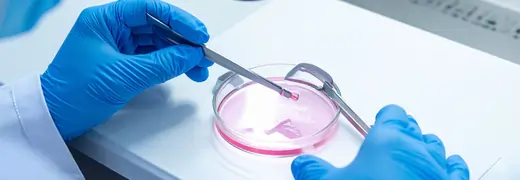
Life During and After IVF Treatment: What Patients Should Know

Prostate Cancer Treatment in Turkey

Coronary CT Angiography: Advanced Non-Invasive Imaging for Heart and Coronary Artery Health

Oncology Center
At the Oncology Center of MedicalPoint, we provide comprehensive, multidisciplinary cancer care using the latest diagnostic and treatment technologies. Our expert team of oncologists, surgeons, radiologists, and support staff are committed to delivering personalized treatment plans tailored to each patient’s unique condition. We combine medical excellence with compassionate care in a patient-centered environment designed for healing and hope.