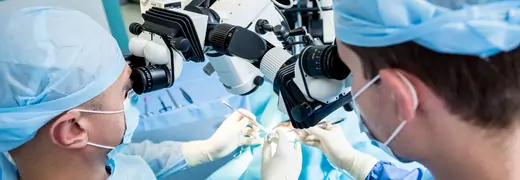
Pituitary Disorders: Symptoms, Diagnosis, and Treatment
Request Call Back
Pituitary Disorders: An Overview
Pituitary disorders are medical conditions that originate from dysfunctions of the pituitary gland, a small but critically important endocrine organ often referred to as the “master gland” of the body. Despite its small size—approximately that of a pea—the pituitary gland plays a central role in regulating numerous physiological processes by controlling the activity of other endocrine glands, including the thyroid, adrenal glands, and reproductive organs.
Located at the base of the brain, just below the hypothalamus, the pituitary gland secretes hormones that influence growth, metabolism, stress response, reproduction, lactation, and fluid balance. Any disruption in pituitary function can therefore have widespread and sometimes severe effects throughout the body.
Pituitary disorders may result from:
- Benign tumors (adenomas)
- Hormonal overproduction (hypersecretion)
- Hormonal underproduction (hypopituitarism)
- Structural damage due to trauma, infection, or radiation
Although most pituitary disorders are non-cancerous, they should never be considered harmless, as untreated hormonal imbalances can lead to long-term complications affecting vision, cardiovascular health, bone density, fertility, and overall quality of life.
What Are Pituitary Disorders?
Pituitary disorders encompass a broad range of conditions that interfere with the normal hormone-producing function of the pituitary gland. These disorders are generally categorized based on whether they involve excess hormone production, hormone deficiency, or structural abnormalities.
Common Types of Pituitary Disorders
Pituitary adenomas (tumors):
These are usually benign (non-cancerous) growths that arise from pituitary tissue. Adenomas may be:
- Functioning (hormone-secreting) – producing excess hormones
- Non-functioning – causing symptoms mainly due to pressure on surrounding structures
Hormonal hyperfunction:
Occurs when the pituitary gland produces excessive amounts of one or more hormones, leading to distinct clinical syndromes.
Hormonal deficiency (hypopituitarism):
Occurs when hormone production is insufficient, affecting growth, metabolism, sexual function, and stress regulation.
Even small pituitary abnormalities can cause significant systemic effects due to the gland’s central regulatory role.
Hormones Produced by the Pituitary Gland
Understanding pituitary disorders requires familiarity with the hormones regulated by this gland:
- Growth Hormone (GH): Regulates growth, muscle mass, and metabolism
- Adrenocorticotropic Hormone (ACTH): Stimulates cortisol production in the adrenal glands
- Thyroid-Stimulating Hormone (TSH): Regulates thyroid hormone production
- Prolactin: Controls milk production and reproductive function
- Luteinizing Hormone (LH) & Follicle-Stimulating Hormone (FSH): Control fertility and sex hormone production
- Antidiuretic Hormone (ADH): Regulates water balance
- Oxytocin: Involved in childbirth and lactation
Disruption in any of these hormones can lead to characteristic clinical symptoms.
Symptoms of Pituitary Disorders
The symptoms of pituitary disorders vary widely depending on:
- Which hormone is affected
- Whether hormone levels are elevated or reduced
- The size and location of any pituitary tumor
Symptoms often develop gradually, making early diagnosis challenging.
General Symptoms
- Persistent or worsening headaches
- Fatigue and weakness
- Unexplained weight gain or weight loss
- Mood changes, depression, or anxiety
- Decreased libido or infertility
- Irregular menstrual cycles in women
- Erectile dysfunction in men
Neurological Symptoms
Pituitary tumors can press on nearby structures, especially the optic nerves, leading to:
- Blurred or double vision
- Loss of peripheral (side) vision
- Difficulty focusing
Vision changes are considered a red flag symptom requiring urgent evaluation.
Hormone-Specific Pituitary Disorders
Cushing’s Disease (ACTH-Producing Adenoma)
Cushing’s disease is caused by excessive ACTH secretion, leading to high cortisol levels.
Symptoms include:
- Rapid weight gain, especially in the face and trunk
- Round “moon face” appearance
- Thin skin with easy bruising
- Purple stretch marks
- High blood pressure and diabetes
- Muscle weakness
If untreated, Cushing’s disease increases the risk of cardiovascular disease, osteoporosis, and infections.
Acromegaly and Gigantism (Growth Hormone Excess)
Excess growth hormone in adults causes acromegaly, while in children it leads to gigantism.
Symptoms include:
- Enlarged hands, feet, and facial features
- Joint pain and arthritis
- Excessive sweating
- Thickened skin
- Sleep apnea
- Cardiovascular complications
Acromegaly often progresses slowly and may go undiagnosed for years.
Hyperprolactinemia (Prolactin Excess)
Prolactin-secreting tumors (prolactinomas) are among the most common pituitary adenomas.
Symptoms in women:
- Irregular or absent menstrual periods
- Infertility
- Milk discharge unrelated to pregnancy
Symptoms in men:
- Reduced libido
- Erectile dysfunction
- Infertility
Hypopituitarism (Hormone Deficiency)
Hypopituitarism occurs when the pituitary gland fails to produce adequate hormones.
Symptoms depend on which hormones are deficient and may include:
- Chronic fatigue
- Cold intolerance
- Weight gain
- Low blood pressure
- Delayed puberty in children
- Reduced stress tolerance
This condition often requires lifelong hormone replacement therapy.
Causes and Risk Factors
Pituitary disorders can arise from multiple causes, including:
- Benign pituitary tumors
- Genetic predisposition
- Head trauma or brain injury
- Radiation therapy to the head or neck
- Infections or inflammatory diseases
- Autoimmune conditions
In many cases, the exact cause remains unknown.
How Are Pituitary Disorders Diagnosed?
Accurate diagnosis requires a multidisciplinary and stepwise approach.
Clinical Evaluation
A detailed medical history and physical examination are essential to identify hormone-related symptoms and neurological signs.
Laboratory Testing
Blood and urine tests are used to measure hormone levels, including:
- ACTH and cortisol
- Growth hormone and IGF-1
- Prolactin
- TSH, T3, and T4
- LH and FSH
Dynamic testing may be required to confirm hormone abnormalities.
Imaging Studies
- MRI with contrast is the gold standard for visualizing the pituitary gland
- Identifies tumor size, location, and compression of nearby structures
Early diagnosis significantly improves treatment outcomes and prevents irreversible complications.
Treatment Options for Pituitary Disorders
Treatment depends on the type of disorder, hormone involvement, tumor size, and patient health.
Medications
- Dopamine agonists for prolactinomas
- Hormone-suppressing drugs for Cushing’s disease or acromegaly
- Hormone replacement therapy for deficiencies
Surgery
- Transsphenoidal surgery is the preferred approach for most pituitary tumors
- Minimally invasive and performed through the nasal cavity
Radiation Therapy
- Used when surgery is incomplete or not feasible
- Helps control tumor growth over time
A tailored treatment plan ensures optimal hormonal balance and symptom control.
Importance of Early Detection
Delays in diagnosis can lead to:
- Permanent vision loss
- Cardiovascular disease
- Osteoporosis
- Diabetes
- Infertility
Routine follow-up and early intervention significantly improve long-term prognosis.
Living With a Pituitary Disorder
With proper management, most patients can lead normal, productive lives. Long-term care typically includes:
- Regular hormone monitoring
- Imaging follow-ups
- Lifestyle modifications
- Ongoing endocrinology care
Patient education and adherence to treatment plans are critical for successful outcomes.
Conclusion
Pituitary disorders are complex endocrine conditions that can disrupt nearly every system in the body. Because symptoms are often subtle and progressive, early recognition is essential. Advances in diagnostic imaging, hormone testing, and minimally invasive surgery have greatly improved outcomes for patients with pituitary disorders.
At MedicalPoint Hospital, a multidisciplinary team of endocrinologists, neurosurgeons, and radiologists collaborates to provide accurate diagnosis and personalized treatment plans. With timely intervention and appropriate follow-up, most pituitary disorders can be effectively managed, allowing patients to maintain hormonal balance, protect vital organ function, and achieve a high quality of life.
WHAT WE'RE TALKING ABOUT

Life During and After IVF Treatment: What Patients Should Know

Prostate Cancer Treatment in Turkey

Coronary CT Angiography: Advanced Non-Invasive Imaging for Heart and Coronary Artery Health