Ovarian Cysts: Symptoms, Diagnosis, and Treatment
Request Call Back
What Are Ovarian Cysts?
Ovarian cysts are fluid-filled or semi-solid sacs that develop in or on the ovaries, which are key reproductive organs responsible for ovulation and the production of female hormones such as estrogen and progesterone. Ovarian cysts are very common and occur most frequently during a woman’s reproductive years, although they can also appear after menopause. In the majority of cases, ovarian cysts are benign and do not pose a serious health threat. However, some cysts may grow larger, persist over time, cause symptoms, or rarely become malignant.
Ovarian cysts vary widely in size, structure, and clinical behavior. Some are directly related to the normal menstrual cycle and resolve spontaneously, while others are associated with underlying conditions such as endometriosis or polycystic ovary syndrome (PCOS). Because ovarian cysts can mimic other gynecological conditions and, in rare cases, ovarian cancer, accurate diagnosis and appropriate monitoring are essential.
The ovaries play a vital role in fertility and hormonal balance, making ovarian health crucial for overall well-being. While many ovarian cysts are discovered incidentally during routine pelvic examinations or imaging, others present with pain, menstrual changes, or fertility-related concerns. Understanding the types, causes, symptoms, diagnostic methods, and treatment options helps women make informed decisions about their reproductive health.
Types of Ovarian Cysts
Ovarian cysts are classified based on their origin, structure, and underlying cause. The most common types include the following:
1. Functional Cysts
Functional cysts are the most common type and are directly related to the menstrual cycle. They usually resolve on their own within a few menstrual cycles.
Follicular cysts: These occur when the ovarian follicle fails to rupture and release an egg during ovulation. Instead, the follicle continues to grow and fills with fluid.
Corpus luteum cysts: After ovulation, the follicle normally shrinks and becomes the corpus luteum. If it fails to regress and instead accumulates fluid or blood, a corpus luteum cyst forms.
Functional cysts are typically harmless, asymptomatic, and temporary.
2. Polycystic Ovarian Cysts (PCOS-Related)
Polycystic ovary syndrome (PCOS) is a hormonal disorder characterized by chronic anovulation and multiple small cysts on the ovaries. Unlike functional cysts, these cysts are persistent and associated with hormonal imbalance, insulin resistance, irregular menstrual cycles, infertility, acne, and excessive hair growth.
3. Endometriomas
Endometriomas, also known as “chocolate cysts,” develop when endometrial tissue grows on the ovaries due to endometriosis. These cysts are often filled with thick, dark fluid and can cause chronic pelvic pain, painful menstruation, pain during intercourse, and infertility.
4. Dermoid Cysts (Mature Cystic Teratomas)
Dermoid cysts are benign tumors that arise from germ cells and may contain hair, skin, fat, teeth, or other tissue types. They grow slowly but can become large and may lead to complications such as ovarian torsion.
5. Cystadenomas
Cystadenomas develop from the outer surface of the ovary and may be filled with watery or mucous material. While benign, they can grow significantly and cause discomfort, pressure symptoms, or abdominal distension.
Causes of Ovarian Cysts
Ovarian cyst formation can result from various physiological and pathological factors:
1. Hormonal Imbalances
Hormonal fluctuations during the menstrual cycle are the primary cause of functional cysts. Disruptions in ovulation increase the likelihood of cyst development.
2. Polycystic Ovary Syndrome (PCOS)
Women with PCOS experience chronic hormonal imbalance, leading to the formation of multiple small ovarian cysts and irregular ovulation.
3. Endometriosis
Endometrial tissue implanting on the ovaries leads to endometriomas, which can be painful and affect fertility.
4. Pregnancy
In early pregnancy, a corpus luteum cyst may form to support hormone production until the placenta develops. These cysts usually resolve naturally.
5. Pelvic Infections
Severe pelvic infections can spread to the ovaries and fallopian tubes, increasing the risk of inflammatory cyst formation.
6. Fertility Treatments
Ovulation-inducing medications can stimulate the ovaries and increase the likelihood of developing multiple cysts temporarily.
Symptoms of Ovarian Cysts
Many ovarian cysts do not cause symptoms and are discovered incidentally. When symptoms occur, they may vary depending on the size, type, and complications of the cyst.
Common symptoms include:
Pelvic pain or discomfort, often on one side
Dull or sharp lower abdominal pain
Abdominal bloating or fullness
Menstrual irregularities, including heavy or irregular bleeding
Pain during sexual intercourse
Urinary frequency or difficulty emptying the bladder
Bowel changes such as constipation
Acute Symptoms Requiring Emergency Care
Sudden, severe pelvic pain may indicate complications such as:
Ovarian torsion, where the ovary twists and cuts off blood supply
Cyst rupture, which can cause internal bleeding and severe pain
These situations require immediate medical attention.
Diagnosis of Ovarian Cysts
Accurate diagnosis is essential to determine whether a cyst is benign, functional, or potentially malignant.
1. Pelvic Examination
A gynecologist may detect ovarian enlargement or tenderness during a routine pelvic exam.
2. Ultrasound Imaging
Ultrasound is the primary diagnostic tool:
Transvaginal ultrasound provides detailed images of cyst size, shape, content, and blood flow.
Abdominal ultrasound may be used for large cysts or in certain patients.
3. Advanced Imaging
MRI or CT scans may be recommended if ultrasound findings are unclear or if malignancy is suspected.
4. Blood Tests
CA-125 levels may be measured, particularly in postmenopausal women or when cancer is a concern.
Hormonal tests may be used to evaluate PCOS or functional cysts.
5. Follow-Up Monitoring
Small, asymptomatic cysts often require repeat imaging to monitor changes over time.
Treatment of Ovarian Cysts
Treatment depends on the cyst’s type, size, symptoms, age, and fertility considerations.
1. Observation and Monitoring
Most functional cysts resolve within 1–3 menstrual cycles without treatment. Regular ultrasound follow-up ensures resolution.
2. Medical Management
Hormonal contraceptives may reduce the risk of new cyst formation.
Pain relievers such as NSAIDs help manage discomfort.
3. Surgical Treatment
Surgery may be necessary for:
Large or persistent cysts
Severe symptoms
Suspicion of malignancy
Complications such as torsion or rupture
Surgical options include:
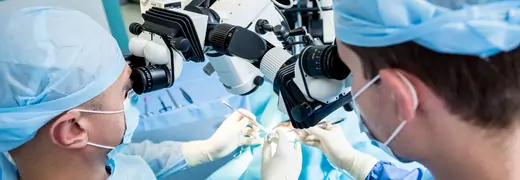
Laparoscopy, a minimally invasive approach
Laparotomy, used for very large cysts or suspected cancer
Depending on the case, the surgeon may perform cystectomy or oophorectomy.
Complications of Ovarian Cysts
Although most ovarian cysts are benign, complications may include:
Ovarian torsion
Cyst rupture
Chronic pelvic pain
Fertility issues
Rarely, ovarian cancer
Regular monitoring significantly reduces these risks.
Preventive Measures and Monitoring
While ovarian cysts cannot always be prevented, early detection is key:
Routine gynecological examinations
Timely evaluation of pelvic pain or menstrual changes
Management of hormonal disorders
Awareness of family history of gynecological cancers
Conclusion
Ovarian cysts are common gynecological conditions that range from harmless, self-resolving cysts to more complex lesions requiring medical or surgical treatment. Understanding their causes, symptoms, and management options is essential for protecting reproductive health. Early diagnosis allows for appropriate monitoring, prevents complications, and ensures timely intervention when necessary.
At MedicalPoint Hospital, women benefit from comprehensive gynecological care, advanced imaging, expert surgical techniques, and personalized treatment plans designed to preserve fertility and improve quality of life. Women experiencing persistent pelvic pain, menstrual irregularities, or unexplained abdominal symptoms are encouraged to seek professional evaluation promptly.
WHAT WE'RE TALKING ABOUT

Life During and After IVF Treatment: What Patients Should Know

Prostate Cancer Treatment in Turkey

Coronary CT Angiography: Advanced Non-Invasive Imaging for Heart and Coronary Artery Health