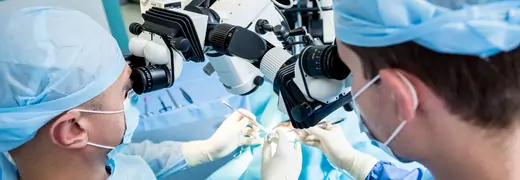
Lumbar Spondylolisthesis Surgeries
Request Call Back
What is Lumbar Spondylolisthesis Surgery?
Lumbar spondylolisthesis, commonly referred to as bel kayması, is a spinal disorder in which one vertebra in the lower back (lumbar spine) slips forward or backward over the vertebra beneath it. This abnormal movement disrupts spinal alignment and stability, potentially leading to compression of spinal nerves, reduced mobility, and chronic pain.
The lumbar spine plays a vital role in supporting body weight, enabling movement, and protecting neural structures. When vertebral slippage occurs, mechanical stress increases on spinal discs, facet joints, and ligaments. Over time, this can result in inflammation, nerve irritation, and progressive neurological symptoms.
Patients with lumbar spondylolisthesis may experience symptoms ranging from mild discomfort to debilitating pain. Common complaints include persistent lower back pain, stiffness, difficulty standing or walking for prolonged periods, and radiating pain into the buttocks or legs (sciatica). In more advanced cases, numbness, tingling, muscle weakness, or loss of coordination may develop.
Lumbar spondylolisthesis can occur due to several underlying mechanisms:
- Degenerative changes related to aging and disc degeneration
- Congenital abnormalities affecting spinal alignment
- Isthmic defects, often caused by stress fractures in the pars interarticularis
- Traumatic injuries, such as falls or motor vehicle accidents
- Post-surgical instability after previous spinal operations
While many patients respond well to conservative treatments such as physical therapy, medications, activity modification, and spinal injections, surgery becomes necessary when symptoms persist or worsen. Lumbar spondylolisthesis surgery aims to restore spinal stability, relieve nerve compression, correct alignment, and improve overall quality of life.
Types and Severity of Lumbar Spondylolisthesis
Types of Lumbar Spondylolisthesis
Understanding the type of spondylolisthesis is essential for selecting the most appropriate treatment strategy:
- Degenerative spondylolisthesis: Most common in older adults, caused by disc and joint degeneration
- Isthmic spondylolisthesis: Resulting from stress fractures, often affecting younger or athletic individuals
- Congenital spondylolisthesis: Due to abnormal vertebral development at birth
- Traumatic spondylolisthesis: Caused by acute spinal injury
- Pathological spondylolisthesis: Associated with bone diseases, infections, or tumors
Grading of Vertebral Slippage
The severity of slippage is graded based on how much one vertebra has moved relative to the adjacent vertebra:
- Grade I: 0–25% slippage
- Grade II: 26–50% slippage
- Grade III: 51–75% slippage
- Grade IV: 76–100% slippage
Higher-grade spondylolisthesis is more likely to cause neurological symptoms and often requires surgical stabilization.
Indications for Lumbar Spondylolisthesis Surgery
Surgical intervention is typically recommended when conservative treatments fail to provide sufficient symptom relief or when neurological compromise is present. Common indications include:
- Persistent lower back pain lasting several months despite non-surgical treatment
- Radiating leg pain (sciatica) caused by nerve root compression
- Progressive numbness, tingling, or muscle weakness in the lower extremities
- Difficulty walking, standing, or maintaining balance
- Spinal instability or worsening vertebral slippage on imaging
- Reduced quality of life and inability to perform daily activities
Early assessment by a spine specialist is critical to prevent permanent nerve damage and determine the optimal timing for surgery.
Diagnostic Evaluation Before Surgery
Before recommending surgery, a comprehensive diagnostic workup is performed, which may include:
- X-rays to assess spinal alignment and degree of slippage
- MRI scans to evaluate nerve compression, disc health, and soft tissues
- CT scans for detailed bone anatomy
- Dynamic flexion-extension X-rays to assess spinal instability
At MedicalPoint Hospital, these diagnostic tools are combined with a thorough clinical examination to ensure accurate diagnosis and personalized treatment planning.
Surgical Techniques for Lumbar Spondylolisthesis
The choice of surgical approach depends on slippage severity, neurological involvement, patient age, activity level, and overall health.
1. Spinal Fusion (Arthrodesis)
Spinal fusion is the cornerstone of surgical treatment for lumbar spondylolisthesis. The goal is to permanently stabilize the affected vertebrae by fusing them into a single solid unit.
During the procedure:
- Bone graft material is placed between vertebrae
- Metal screws, rods, or cages are used to maintain alignment
- Over time, the bones fuse together, preventing further movement
Benefits of Spinal Fusion
- Restores spinal alignment
- Prevents progression of vertebral slippage
- Reduces mechanical back pain
- Protects compressed nerves from further damage
Fusion may be performed using posterior, anterior, or combined approaches depending on individual anatomy.
2. Laminectomy and Discectomy (Decompression Procedures)
When nerve compression is a major contributor to symptoms, decompression surgery is often performed.
- Laminectomy removes part of the vertebral lamina to widen the spinal canal
- Discectomy removes damaged disc material pressing on nerves
These procedures relieve pressure on spinal nerves and are frequently combined with fusion to maintain long-term stability.
Key Advantages
- Reduces leg pain, numbness, and weakness
- Improves walking ability and endurance
- Enhances nerve function and daily comfort
3. Minimally Invasive Surgical Techniques (MIS)
Minimally invasive spine surgery uses smaller incisions and specialized instruments to reduce tissue damage.
MIS techniques include:
- Minimally invasive lumbar fusion
- Percutaneous pedicle screw placement
- Endoscopic decompression
Advantages of MIS
- Less muscle disruption
- Reduced blood loss
- Shorter hospital stay
- Faster recovery
- Less post-operative pain
However, MIS is not suitable for all patients, particularly those with severe or high-grade spondylolisthesis.
Risks and Potential Complications
Although lumbar spondylolisthesis surgery has high success rates, potential risks include:
- Surgical site infection
- Bleeding or blood clots
- Nerve injury or persistent neurological symptoms
- Incomplete pain relief
- Failure of spinal fusion (non-union)
- Hardware-related complications
- Adjacent segment disease over time
At MedicalPoint Hospital, meticulous surgical technique and comprehensive post-operative care significantly reduce these risks.
Post-Operative Recovery and Rehabilitation
Hospital Stay and Immediate Care
Patients typically stay in the hospital for several days. During this period, pain management, neurological monitoring, and early mobilization are prioritized.
Physical Therapy and Rehabilitation
Rehabilitation is a key component of recovery and focuses on:
- Strengthening core and back muscles
- Improving flexibility and posture
- Enhancing balance and coordination
- Preventing future spinal stress
Therapy programs are customized and progress gradually.
Pain Management
Pain is managed using a multimodal approach, including medications and non-pharmacological strategies to support mobility and healing.
Lifestyle Modifications
Patients are advised to:
- Avoid heavy lifting and excessive bending
- Maintain a healthy body weight
- Practice proper posture and ergonomics
- Engage in low-impact activities such as walking or swimming
Return to Normal Activities
Most patients return to daily activities within weeks, while complete fusion and full recovery may take several months.
Long-Term Outcomes and Prognosis
When performed for appropriate indications, lumbar spondylolisthesis surgery offers excellent long-term outcomes. Most patients experience:
- Significant pain reduction
- Improved nerve function
- Enhanced mobility and endurance
- Better quality of life
Long-term success depends on surgical accuracy, rehabilitation compliance, and ongoing spinal care.
Conclusion
Lumbar spondylolisthesis surgery is a proven and effective treatment for patients suffering from chronic lower back pain, nerve compression, and spinal instability. Surgical options such as spinal fusion, laminectomy, discectomy, and minimally invasive techniques are selected based on individual patient needs and anatomical factors.
Successful outcomes rely on:
- Accurate diagnosis and advanced imaging
- Personalized surgical planning
- Skilled surgical execution
- Comprehensive post-operative rehabilitation
At MedicalPoint Hospital, our multidisciplinary spine team delivers patient-centered care using modern surgical techniques and evidence-based rehabilitation protocols. With timely intervention and disciplined recovery, patients with lumbar spondylolisthesis can regain mobility, reduce pain, and return to a more active and fulfilling life.
WHAT WE'RE TALKING ABOUT

Life During and After IVF Treatment: What Patients Should Know
Prostate Cancer Treatment in Turkey

Coronary CT Angiography: Advanced Non-Invasive Imaging for Heart and Coronary Artery Health