Welcome to the Laparoscopic Surgery Training Program
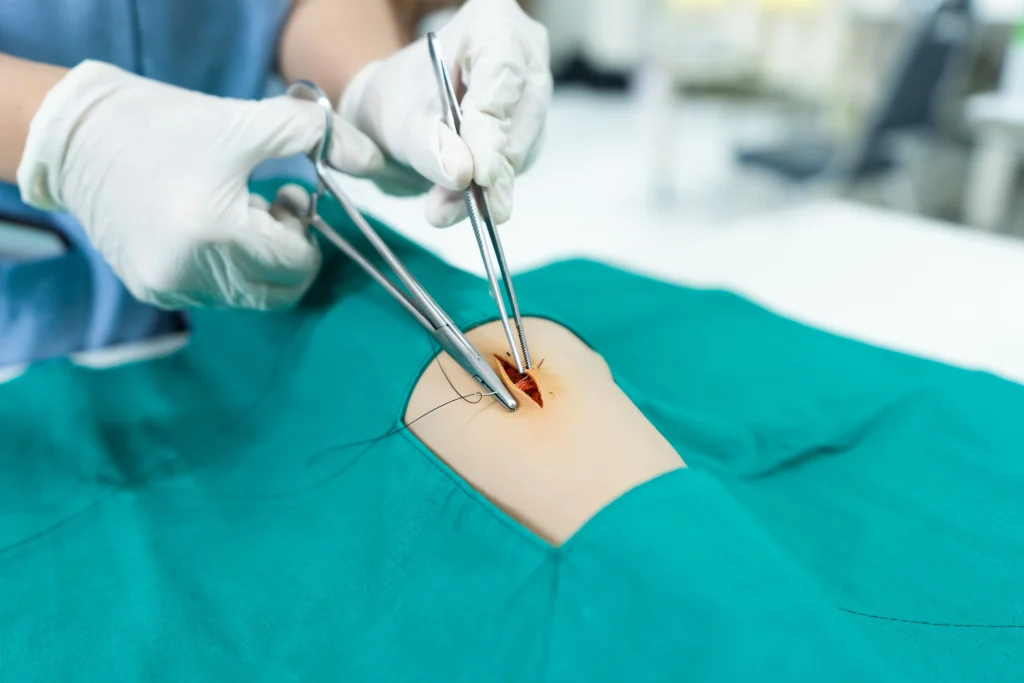
Advance your surgical capabilities through the Laparoscopic Surgery Training Program at MedicalPoint Hospital. This intensive, skill-based training is specifically designed to help general surgeons, surgical residents, gynecologists, and urologists gain practical and theoretical knowledge in the field of minimally invasive surgery. Led by experienced laparoscopic surgeons and supported by advanced simulation technologies, this program bridges the gap between theory and practice.
Why Choose MedicalPoint Hospital?
- Accredited and internationally recognized surgical training center
- Faculty composed of senior laparoscopic experts with years of hands-on surgical and teaching experience
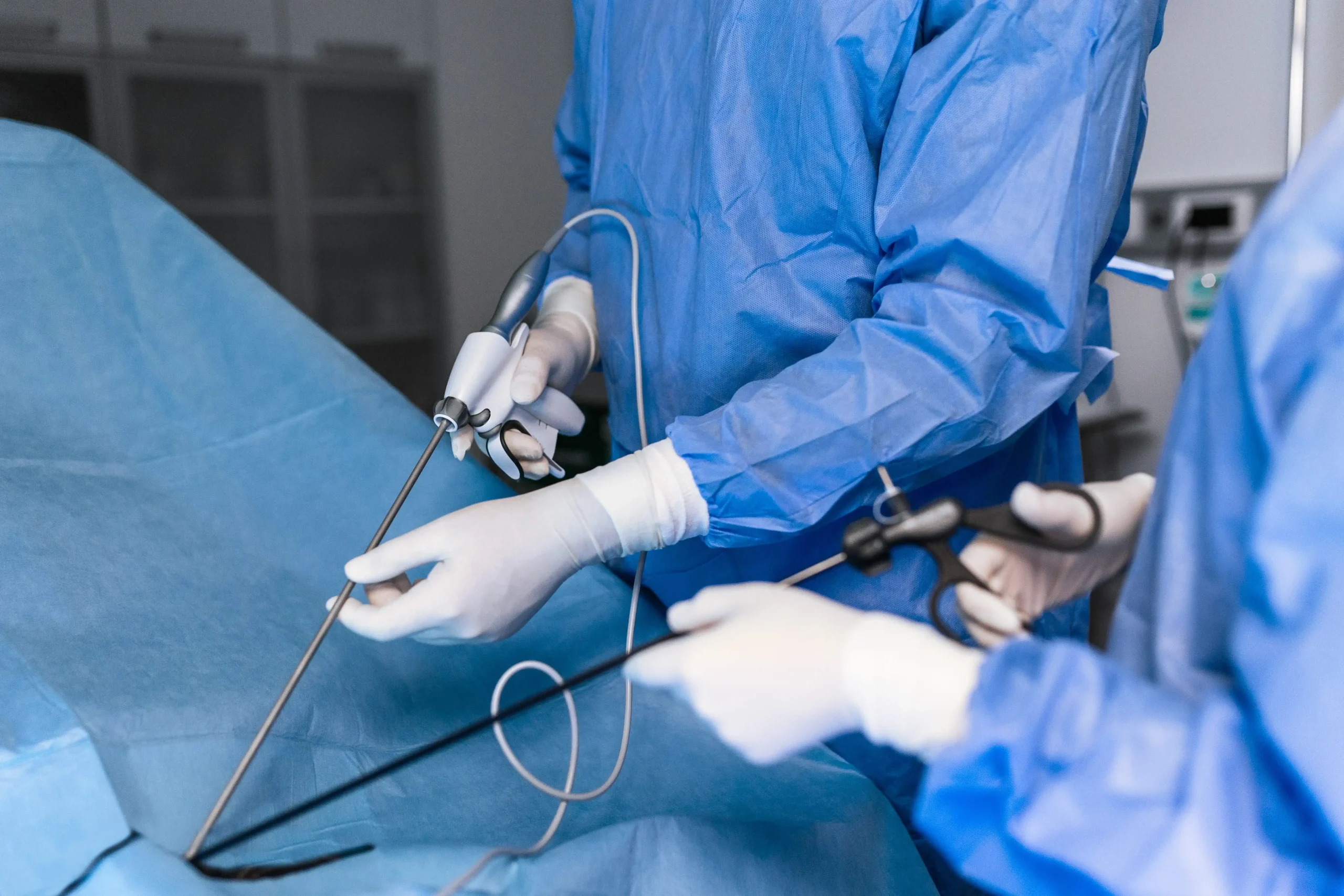
- State-of-the-art facilities: simulation labs, high-definition laparoscopic towers, and fully equipped operating rooms
- Multidisciplinary training exposure across general surgery, gynecology, and urology
- Official certification upon successful course completion
Course Duration: 2 to 4 weeks (customized to experience level)
Location: MedicalPoint Hospital, Surgical Education Center
Format: Blended learning: lectures, simulation labs, OR observation
Certification: Certificate of Completion from MedicalPoint Hospital
Theoretical Training Modules
1. Introduction to Laparoscopic Surgery
- History and evolution of minimally invasive surgery
- Key benefits over open procedures: reduced pain, faster recovery, fewer complications
2. Anatomy & Physiology
- Detailed review of abdominal and pelvic anatomy
- Common access points, trocar placement zones, and safe entry protocols
3. Instruments and Operating Room Setup
- Laparoscopic equipment overview: camera systems, insufflators, graspers, dissectors
- Energy sources: monopolar, bipolar, and ultrasonic systems
- OR layout, sterilization practices, and procedural ergonomics
4. Ergonomics & Safety in Laparoscopy
- Optimal positioning of surgeon and patient
- Port placement strategies to reduce fatigue and improve access
- Avoiding and managing common intraoperative complications
5. Procedure-Specific Modules
- Laparoscopic cholecystectomy and appendectomy
- Hernia repair (inguinal, umbilical, ventral)
- Laparoscopic colectomy and adhesiolysis
- Gynecologic procedures: cystectomy, hysterectomy
- Urological procedures: nephrectomy, pyeloplasty
6. Complication Management
- Recognition and management of bleeding, bowel injury, organ perforation
- Postoperative care and handling of complications
- Criteria for conversion to open surgery
Hands-On Practical Training
1. Simulation Training (Dry Lab)
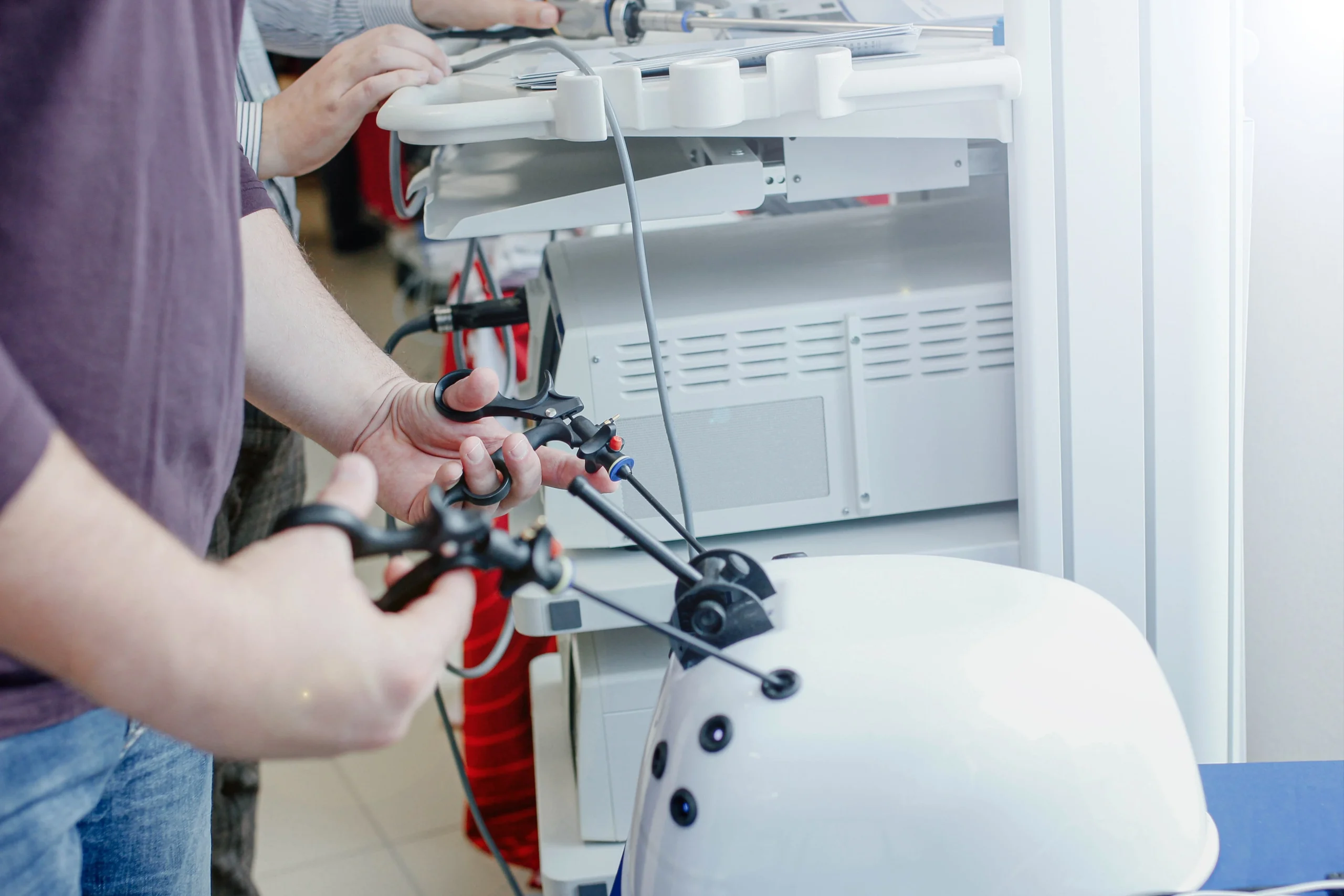
- Basic and advanced laparoscopic skill stations
- Camera navigation, hand-eye coordination drills
- Tissue manipulation, intracorporeal and extracorporeal suturing
2. Wet Lab / Animal Lab (Optional)
- Performing real-time surgical tasks on live tissue (subject to regulations)
- Skill refinement under near-clinical conditions
3. Operating Room Observation
- Live case observation across various procedures
- Preoperative planning and intraoperative decision-making
- Emphasis on team communication and sterile practices
4. Assisted Participation
- Stepwise surgical participation under expert supervision
- Trocar placement, tissue dissection, and basic procedural steps
5. Evaluation & Debriefing
- Regular skill assessments and progress tracking
- Case-based discussions and video debriefing
- Personalized feedback from faculty mentors
Certificate of Completion
Upon successful participation in both theoretical and practical modules, trainees will receive a Certificate of Completion in Laparoscopic Surgery from MedicalPoint Hospital’s Surgical Training Unit.
Contact & Registration
Email: [email protected]
Website: www.medicalpointinternational.com
Location: MedicalPoint Hospital
WHAT WE'RE TALKING ABOUT
Life During and After IVF Treatment: What Patients Should Know
Prostate Cancer Treatment in Turkey

Coronary CT Angiography: Advanced Non-Invasive Imaging for Heart and Coronary Artery Health