Welcome to the Interventional Radiology Training Program
The Interventional Radiology Training Program at MedicalPoint Hospital is designed for radiologists, interventional radiologists, and medical fellows aiming to master minimally invasive image-guided procedures. With a focus on both foundational knowledge and practical skill development, this intensive training provides a holistic understanding of interventional radiology techniques supported by live case observation and simulation-based learning.
Why Train at MedicalPoint Hospital?
- High case volume featuring a variety of complex interventional procedures
- Multidisciplinary collaboration across radiology, surgery, anesthesia, and interventional teams
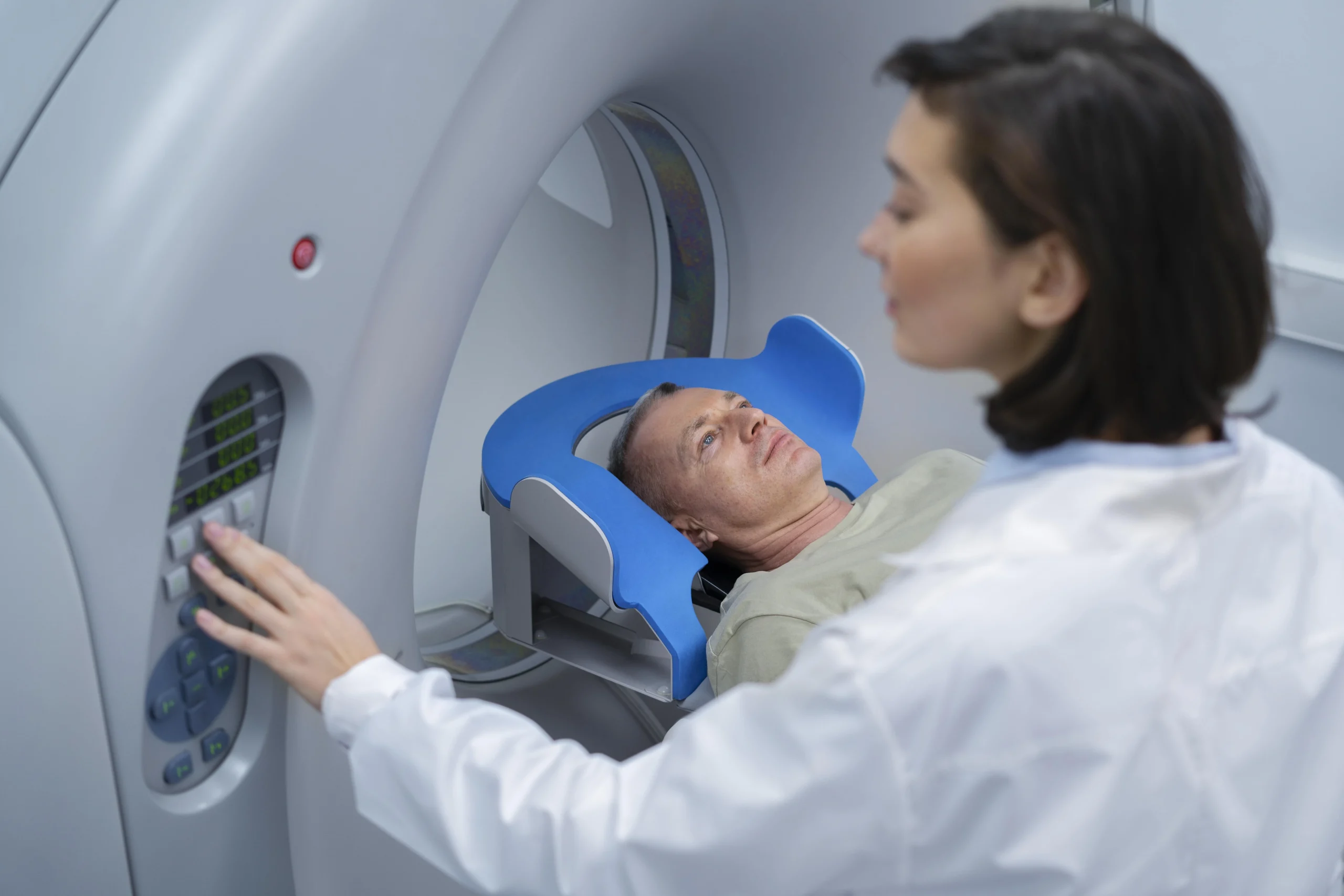
- Advanced imaging infrastructure: 3 Tesla MRI, 64-slice CT, real-time fluoroscopy
- Globally experienced faculty delivering evidence-based and case-based education
- Certification provided upon successful program completion
Program Duration: 1 to 2 weeks (customized)
Location: MedicalPoint Hospital – Radiology & Interventional Procedures Unit
Format: Theoretical modules + hands-on workshops + clinical exposure
Certification: Certificate of Interventional Radiology Training from MedicalPoint Hospital
Theoretical Training Modules
1. Introduction to Interventional Radiology (IR)
- History, scope, and advancements in IR
- Mechanisms of minimally invasive interventions
- Comparison with conventional surgery: efficacy and safety
2. Indications for Interventional Radiology
- Vascular interventions: angiography, angioplasty, thrombolysis, stent placement
- Non-vascular interventions: percutaneous biopsy, abscess drainage, biliary interventions
- Interventional oncology: tumor ablation (RFA, microwave), TACE
- Gastrostomy tubes, nephrostomy, and spinal procedures (vertebroplasty)
3. Preoperative Evaluation
- Case selection and patient assessment
- Use of CT, MRI, and ultrasound in diagnosis and planning
- Risk stratification and informed consent
4. Imaging Techniques in Interventional Radiology
- Fluoroscopy principles and radiation safety
- Ultrasound guidance for needle-based procedures
- CT/MRI integration for accurate targeting
- Radiological anatomy for procedural planning
5. Techniques and Tools in Interventional Radiology
- Guidewires, catheters, sheaths, balloons, stents, and embolics
- Arterial and venous access: Seldinger technique
- Hemostasis and post-access management
- Handling procedural complications
6. Postoperative Care and Follow-up
- Post-procedure imaging and clinical monitoring
- Complication identification and early intervention
- Patient discharge protocols and long-term tracking
7. Complications and Risk Management
- Vascular: pseudoaneurysm, hemorrhage, vessel injury
- Non-vascular: pneumothorax, infection, sepsis
- Emergency response strategies and team coordination
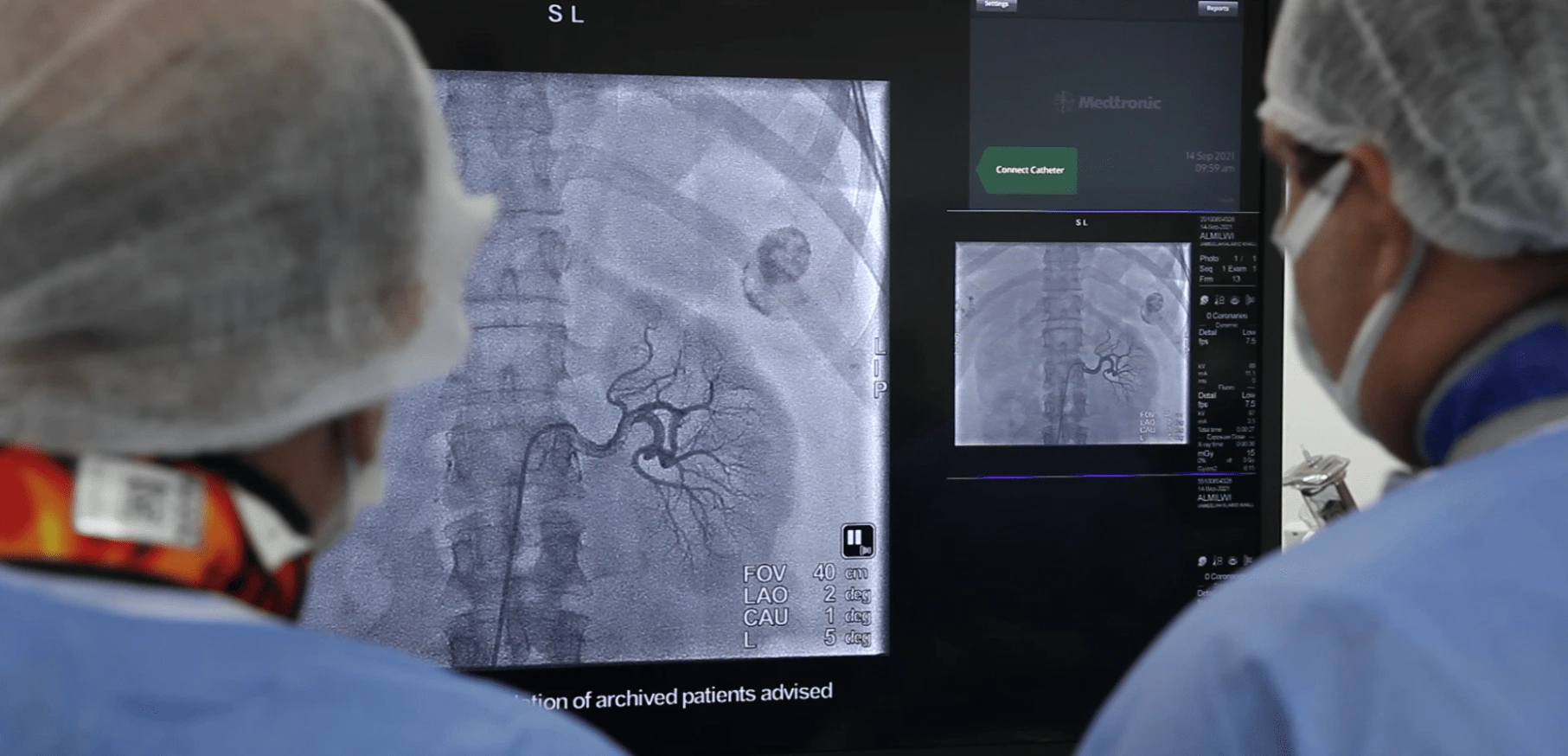
Practical / Hands-On Training Modules
1. Imaging and Planning Workshops
- Image fusion: CT, MRI, and ultrasound for navigation
- Reviewing anatomy for case-based procedural planning
- Hands-on imaging system use: US, CT, and fluoroscopy
2. Simulation-Based Surgical Training
- Catheter navigation and embolization techniques on simulators
- Practicing vascular access and guidewire techniques
- Biopsy and drainage procedures on anatomical models
3. Operating Room Exposure
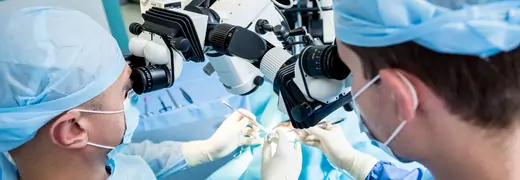
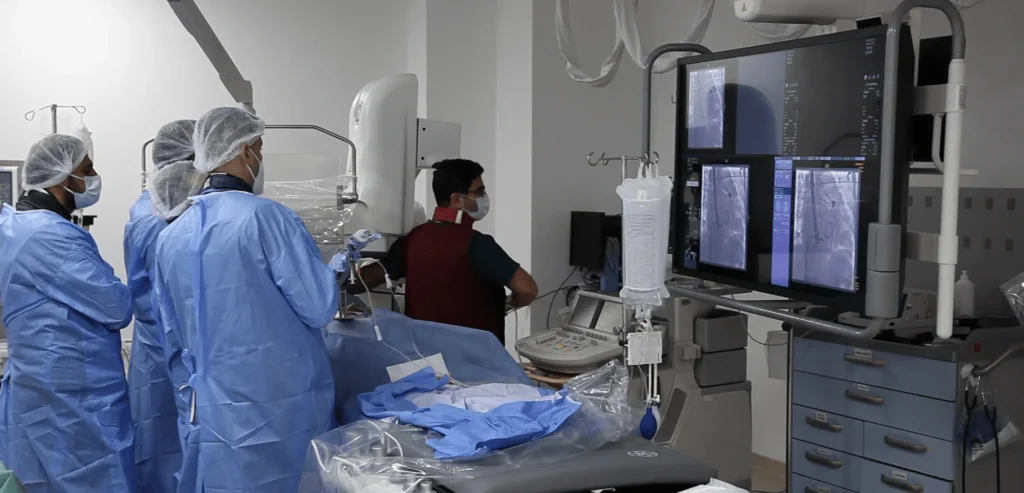
- Live observation of IR cases (2–3/week): oncology, vascular, hepatobiliary, urology
- Active participation in room setup, patient prep, and sterile technique
- Real-time assistance with catheter placement, embolization, and ablation
4. Advanced Techniques Workshops
- Ablation methods (radiofrequency and microwave)
- Chemoembolization techniques and indications
- CT-guided biopsy and drainage procedures
- Image-guided spine interventions (vertebroplasty)
5. Case Presentations and Expert Debrief
- Review of clinical cases from planning through outcomes
- Longitudinal case discussions: response, recurrence, and retreatment
- Q&A and peer discussion guided by senior interventionalists
Final Assessment & Certification
At the end of the course, participants will undergo an interactive evaluation including a case presentation and practical skills assessment. Successful candidates will be awarded a Certificate of Achievement in Interventional Radiology from MedicalPoint Hospital.
Contact & Enrollment
Email: [email protected]
Website: www.medicalpointinternational.com
Location: MedicalPoint Hospital – Radiology & Interventional Procedures Education Center
WHAT WE'RE TALKING ABOUT
Life During and After IVF Treatment: What Patients Should Know
Prostate Cancer Treatment in Turkey
Coronary CT Angiography: Advanced Non-Invasive Imaging for Heart and Coronary Artery Health