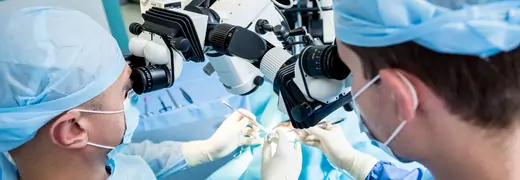
Percutaneous Drainage Procedures
Request Call Back
What Is Percutaneous Drainage?
Percutaneous drainage is a modern, minimally invasive medical procedure used to remove abnormal fluid collections, infected abscesses, or cystic lesions from inside the body. The term percutaneous literally means “through the skin,” referring to how the radiologist accesses the fluid collection by passing a thin needle or catheter through a small skin incision.
This procedure is a cornerstone of interventional radiology and relies on precise imaging—such as ultrasound or computed tomography (CT)—to visualize the target area and guide instruments safely to the collection.
Unlike open surgical drainage, which involves larger incisions and longer recovery, percutaneous drainage uses a needle-sized entry point. This significantly reduces tissue trauma, pain, and hospital stay while providing rapid therapeutic benefits.
Why Percutaneous Drainage Is Important
Fluid accumulation in the body can occur due to infection, trauma, inflammation, surgery, or underlying disease. When such fluid becomes infected or causes pressure on nearby organs, drainage becomes essential.
Percutaneous drainage helps with:
- Controlling infection before it spreads
- Relieving pressure and pain caused by accumulated fluid
- Accelerating the healing process
- Reducing the need for major surgery
- Preventing complications such as sepsis, organ dysfunction, or delayed surgical recovery
Its minimally invasive nature makes it safe for elderly patients, those with weakened immune systems, or individuals with significant comorbidities who cannot undergo general anesthesia.
How Is Percutaneous Drainage Performed?
The effectiveness of the procedure depends heavily on careful planning, precise imaging, and expert technique.
1. Pre-Procedure Imaging and Evaluation
Before the intervention, patients undergo a detailed imaging assessment using ultrasound or CT. This evaluation determines:
- Exact location of the fluid collection
- Size and volume of the cavity
- Fluid characteristics (infected pus, blood, bile, serous fluid, pancreatic juice, etc.)
- Relationship to nearby organs, vessels, and nerves
- Best and safest access pathway for needle insertion
This step allows the interventional radiologist to map out a safe anatomical route, minimizing risks.
2. Preparation and Anesthesia
The patient is positioned according to the location of the collection. The skin is cleaned with antiseptic solution to minimize infection risk.
- Local anesthesia is applied to numb the skin and deeper tissues.
- Sedation may be used depending on patient comfort and location of the abscess.
- General anesthesia is rarely required.
3. Needle Insertion Under Imaging Guidance
Using real-time ultrasound or CT:
- A thin, sterile needle is advanced carefully into the center of the fluid collection.
- Imaging ensures accurate trajectory, even when navigating between delicate structures.
- A small amount of fluid may be aspirated to confirm correct placement.
4. Guidewire and Catheter Placement
Once the needle is correctly positioned:
- A guidewire is passed through the needle.
- The needle is removed, and a drainage catheter is inserted over the wire using the Seldinger technique.
- Catheters vary in size depending on fluid thickness (thicker pus requires larger drains).
- The catheter is secured to the skin with sutures or adhesive dressing.
5. Continuous Drainage
The catheter allows:
- Continuous external drainage into a collection bag
- Controlled internal drainage (e.g., biliary or pancreatic ducts if needed)
Fluid output is monitored daily.
6. Sample Collection for Laboratory Analysis
If infection is suspected:
- A sample of the drained fluid is sent to the laboratory for culture and sensitivity testing.
- This helps determine the most effective antibiotic treatment.
7. Post-Procedure Care and Follow-up
Patients are observed briefly for any complications such as bleeding, catheter blockage, or persistent fever.
Follow-up imaging (ultrasound or CT) is performed:
- To ensure the collection is decreasing
- To determine when the catheter can be safely removed
Most patients experience rapid improvement within 24–72 hours.
Indications for Percutaneous Drainage
Percutaneous drainage is used in a wide variety of clinical conditions. It is considered the first-line treatment for many types of abscesses and fluid accumulations.
1. Intra-Abdominal Abscesses
These include:
- Liver abscesses (pyogenic or amoebic)
- Postoperative pelvic collections following gynecological or colorectal surgery
- Pancreatic pseudocysts and post-pancreatitis collections
- Gallbladder perforation or infected bile leaks
- Infected lymphoceles after surgery
In such cases, drainage prevents the spread of infection and reduces the need for open surgery.
2. Postoperative or Post-Traumatic Fluid Collections
Fluid collections may form after injury or surgery:
- Seromas
- Hematomas
- Lymphoceles
- Bilomas
These can cause pain, infection, or delayed healing if not drained.
3. Thoracic Fluid Collections
Percutaneous drainage is frequently used for:
- Pleural effusion – excess fluid between lung membranes
- Empyema – infected pus within the pleural space
- Lung abscess that extends to the chest wall
Thoracic drainage provides fast respiratory relief.
4. Retroperitoneal Abscesses
These include:
- Perinephric abscesses around the kidney
- Psoas muscle abscesses
- Retroperitoneal hematomas
Because these areas are difficult to reach surgically, percutaneous drainage offers a safer alternative.
5. Drainage of Cystic Lesions
Not all cysts require removal, but drainage is necessary when they cause symptoms.
Common cysts treated include:
- Renal (kidney) cysts
- Hepatic (liver) cysts
- Thyroid cysts
- Pancreatic pseudocysts
In some cases, after draining the cyst, a sclerosing agent (e.g., alcohol) may be injected to prevent recurrence.
6. Patients with High Surgical Risk
Percutaneous drainage is especially valuable in:
- Elderly patients
- Patients with heart or lung disease
- Individuals with multiple chronic illnesses
- Cancer patients with weakened immune systems
- Patients who cannot tolerate general anesthesia
For these groups, minimally invasive drainage offers a safer alternative to surgery.
Advantages of Percutaneous Drainage
Percutaneous drainage is widely preferred because of its excellent clinical outcomes and low complication rate.
1. Minimally Invasive Approach
- No large incisions
- Minimal tissue trauma
- Less postoperative pain
- Better cosmetic results
2. Rapid Recovery
- Many procedures are performed on an outpatient basis
- Patients return to daily life quickly
- Shorter hospital stays
3. Effective Infection Control
- Removes infected fluid immediately
- Allows early laboratory analysis
- Makes antibiotic therapy more effective
4. Reliable Symptom Relief
Patients often experience immediate:
- Pain reduction
- Relief from abdominal or chest pressure
- Improvement in breathing if the thorax is involved
5. High Safety Profile
Complication rates are low when performed by skilled interventional radiologists using high-quality imaging.
6. Suitable for High-Risk Patients
Its minimally invasive nature makes it ideal for:
- Elderly individuals
- Critically ill patients
- Patients with limited immunity
7. High Success Rates
Success depends on:
- Correct patient selection
- Appropriate catheter size
- Regular catheter care
- Accurate imaging guidance
- Skilled radiology team
With these factors aligned, percutaneous drainage achieves success rates above 85–95%, depending on the type of abscess.
Conclusion
Percutaneous drainage is a highly effective, minimally invasive technique that has revolutionized the management of abscesses and fluid collections. By combining advanced imaging with precise needle and catheter placement, it offers:
- Superior infection control
- Rapid symptom relief
- Shorter recovery periods
- Minimal complications
- A safe alternative to major surgery
As one of the essential procedures in interventional radiology, percutaneous drainage continues to improve patient outcomes by providing targeted, safe, and efficient treatment. With experienced interventional radiologists and state-of-the-art imaging technology, MedicalPoint Hospital ensures high-quality, patient-centered care for all fluid and abscess management needs.
WHAT WE'RE TALKING ABOUT
Life During and After IVF Treatment: What Patients Should Know

Prostate Cancer Treatment in Turkey
Coronary CT Angiography: Advanced Non-Invasive Imaging for Heart and Coronary Artery Health