Wrist Arthroscopy and Arthroscopic Surgery
Request Call Back
What Is Wrist Arthroscopy?
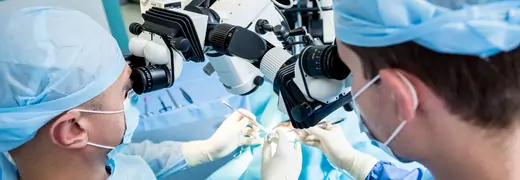
Wrist arthroscopy is a highly advanced, minimally invasive surgical technique used to diagnose and treat various disorders affecting the wrist joint. During this procedure, orthopedic and hand surgeons insert a tiny camera—known as an arthroscope—through small incisions around the wrist. This high-definition camera provides a detailed, magnified view of the wrist’s internal structures, including ligaments, cartilage surfaces, synovial tissue, joint capsule, and small bones.
Because the wrist is one of the most intricate joints in the human body, wrist arthroscopy has become an essential tool for both diagnosis and treatment. Traditional open surgery often requires larger incisions, more tissue dissection, and longer recovery times. In contrast, wrist arthroscopy provides numerous benefits:
Minimal soft tissue trauma
Small incisions and reduced scarring
Faster healing and lower risk of complications
Earlier return to daily life, work, and sports
High diagnostic accuracy due to direct visualization
Most wrist arthroscopy procedures are performed under regional anesthesia, allowing patients to remain awake and comfortable while the arm is numbed. Because these surgeries are minimally invasive, patients typically go home the same day.
When Is Wrist Arthroscopy Performed?
Wrist arthroscopy can serve two main functions: diagnostic and therapeutic. For many patients, especially those with persistent wrist pain or unclear symptoms, arthroscopy offers precise answers and immediate treatment in one session.
1. Diagnostic Uses
Although imaging techniques like X-ray, MRI, and CT scans are helpful, they may not always reveal subtle injuries. Wrist arthroscopy allows surgeons to directly inspect the joint for:
Chronic or unexplained wrist pain
Clicking, popping, or locking sensations
Joint instability after trauma
Limited range of motion
Suspected ligament tears not visible on MRI
By identifying these issues early, physicians can plan the most appropriate treatment and prevent long-term damage.
2. Therapeutic Uses
Wrist arthroscopy enables surgeons to treat several conditions without making large incisions. The most common therapeutic indications include:
• TFCC (Triangular Fibrocartilage Complex) Injuries
TFCC tears—often caused by trauma or repetitive strain—are one of the most frequent reasons for wrist arthroscopy. Surgeons can:
Repair torn ligaments
Debride damaged tissue
Restore stability and reduce chronic pain
This is especially valuable for athletes or individuals with physically demanding occupations.
• Ligament Injuries
Partial or complete ligament tears, such as the scapholunate ligament injury, can be assessed and repaired arthroscopically to restore wrist stability.
• Cartilage Damage
Arthroscopy can address early arthritis, localized cartilage wear, or chondral defects. Surgeons can smooth rough cartilage or stimulate healing using microfracture techniques.
• Ganglion Cyst Removal
Many wrist ganglion cysts originate from joint capsule defects. Arthroscopy allows internal removal of the cyst and repair of its source with minimal scarring.
• Synovitis and Inflammation
Arthroscopic synovectomy helps patients with inflammatory conditions, reducing swelling, stiffness, and pain.
• Post-Fracture Complications
Some patients develop stiffness, irregular surfaces, or loose fragments after wrist fractures. Arthroscopy can remove loose bodies and restore smoother joint function.
• Adhesion Release
After trauma or prolonged immobilization, arthroscopy can break scar tissue and improve mobility.
Overall, wrist arthroscopy is ideal for individuals who need a precise diagnosis, minimally invasive treatment, and fast functional recovery.
Recovery After Wrist Arthroscopy
Recovery varies depending on the procedure performed, the patient’s overall health, and the extent of the injury. However, wrist arthroscopy generally offers a shorter and more comfortable recovery period than open surgery.
Early Postoperative Phase
Immediately after surgery, patients may experience mild pain, swelling, or stiffness. These symptoms typically improve within a few days. Most patients:
Return home the same day
Use a splint or soft bandage for protection
Manage discomfort with mild pain medication and cold therapy
Because the incisions are tiny, wound healing is usually rapid, and scarring is minimal.
Rehabilitation and Physiotherapy
Physical therapy is a crucial part of recovery after wrist arthroscopy. A structured rehabilitation plan focuses on:
Restoring range of motion
Strengthening wrist and forearm muscles
Improving joint stability
Preventing stiffness or recurrence
The timeline depends on the complexity of the procedure:
Minor debridement or cyst removal: return to normal activities in a few weeks
TFCC or ligament repair: recovery may take several months
Athletes or heavy laborers: phased return to activity under supervision
Patient adherence to home exercises and follow-up appointments has a significant impact on long-term results.
Possible (Rare) Complications
Although wrist arthroscopy is very safe, minor risks include:
Infection at incision sites
Transient nerve irritation or tingling
Persistent stiffness or limited motion
Ongoing discomfort related to underlying wrist disease
Most patients experience rapid improvement with proper care and physiotherapy.
Advantages of Wrist Arthroscopy at Medical Point International Hospital
Medical Point International Hospital is one of the leading centers for minimally invasive hand and wrist surgery. Our dedication to precision, patient comfort, and advanced technology makes us a preferred destination for international and local patients seeking top-tier orthopedic care.
We offer:
Highly Experienced Specialists
Our orthopedic and hand surgeons are trained in state-of-the-art arthroscopic techniques, ensuring accurate diagnosis and effective treatment.
Advanced Arthroscopy Equipment
We use high-resolution imaging, modern surgical tools, and optimized operating room systems to deliver superior outcomes.
Personalized Pain Management & Rehabilitation
Each patient receives a customized recovery plan based on their injury type, professional needs, and lifestyle goals.
International Patient Support
Our multilingual medical coordination team provides seamless assistance with appointments, travel, and postoperative guidance.
Faster Return to Work and Sports
Thanks to minimally invasive methods, patients recover faster with less pain and reduced downtime.
Why Early Diagnosis Matters
Wrist problems such as TFCC injuries, ligament tears, and cartilage defects often worsen over time if untreated. Early detection and minimally invasive treatment can:
Prevent chronic pain
Reduce the risk of arthritis
Protect long-term wrist stability
Support faster healing
Reduce the need for open surgery later
If you experience persistent pain, weakness, clicking, or limited movement, consulting a hand and wrist specialist promptly is highly recommended.
Is wrist arthroscopy painful?
Most patients experience only mild discomfort, which can be easily managed with medication and cold therapy.
How long does the surgery take?
Between 30 and 90 minutes, depending on the complexity of the procedure.
When can I return to work?
Desk jobs: within a few days to one week
Manual jobs or sports: several weeks to months, depending on tissue healing
Do I need physiotherapy after surgery?
Yes. Rehabilitation is essential for restoring strength, motion, and function.
Is wrist arthroscopy safe?
It is considered very safe, with a low complication rate, especially when performed by experienced orthopedic surgeons.
WHAT WE'RE TALKING ABOUT

Life During and After IVF Treatment: What Patients Should Know

Prostate Cancer Treatment in Turkey

Coronary CT Angiography: Advanced Non-Invasive Imaging for Heart and Coronary Artery Health