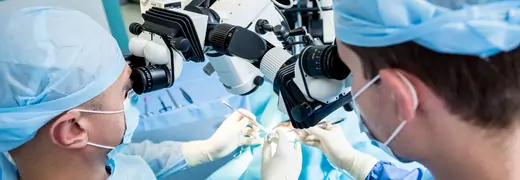
TEVAR Procedure – Thoracic Endovascular Aortic Repair at MedicalPoint Hospital
Request Call Back
Thoracic Endovascular Aortic Repair (TEVAR) is one of the most significant advancements in modern cardiovascular surgery. It offers a minimally invasive alternative to open-chest surgery for the treatment of thoracic aortic aneurysms, dissections, and traumatic injuries. Because aortic disorders carry a high risk of rupture and life-threatening complications, TEVAR has quickly become the preferred treatment for many patients—especially those who are elderly, medically fragile, or unsuitable for open aortic repair.
At MedicalPoint Hospital, TEVAR is performed by highly specialized cardiovascular surgeons and interventional radiologists using advanced imaging systems and next-generation stent graft technologies. This ensures optimal precision, rapid recovery, and improved long-term outcomes.
What Is TEVAR?
TEVAR (Thoracic Endovascular Aortic Repair) is a catheter-based procedure designed to reinforce weakened or damaged sections of the thoracic aorta—the major blood vessel that distributes oxygen-rich blood from the heart to the rest of the body. In conditions such as aneurysms, dissections, or traumatic tears, the aortic wall becomes fragile and vulnerable to rupture. Without treatment, these conditions can rapidly become fatal.
Instead of opening the chest and placing the patient on heart-lung support, TEVAR uses a minimally invasive approach: a stent graft is inserted through a blood vessel (most commonly the femoral artery) and guided to the diseased part of the aorta using real-time imaging. Once deployed, the stent graft seals or reinforces the affected area, restoring stable blood flow and preventing further damage.
Conditions Treated with TEVAR
Thoracic Aortic Aneurysm
A thoracic aortic aneurysm occurs when the vessel wall weakens and bulges outward. The risk of rupture increases as the aneurysm grows. TEVAR helps exclude the aneurysm from circulation, reducing pressure on the weakened wall.
Thoracic Aortic Dissection
A dissection is a tear in the inner layer of the aorta that causes blood to flow between wall layers, creating a false lumen. TEVAR seals the entry tear, redirects blood back into the true lumen, and prevents life-threatening rupture.
Traumatic Aortic Injury
High-speed accidents, falls, and major blunt trauma can cause partial tears in the thoracic aorta. TEVAR is the preferred treatment due to its rapid deployment and low invasiveness.
Penetrating Aortic Ulcers and Intramural Hematomas
In selected cases, these related aortic conditions can also be successfully managed with TEVAR.
How Is TEVAR Performed?
TEVAR is typically performed under general anesthesia, although selected patients may undergo the procedure with regional or local anesthesia depending on their clinical profile. The procedure consists of several carefully coordinated steps:
1. Vascular Access
A small incision is made in the groin to access the femoral artery. A guidewire and catheter system are inserted and slowly advanced through the arterial system toward the thoracic aorta.
2. Navigation to the Diseased Segment
Using high-resolution fluoroscopy, intravascular ultrasound (IVUS), or CT-based fusion imaging, the surgical team navigates the catheter safely to the exact location of the aneurysm or dissection.
3. Deployment of the Stent Graft
A specially designed stent graft—a fabric-covered metal mesh—is compressed within the delivery catheter. Once positioned accurately, the device is released and expands to fit the aortic walls.
This creates a new, stable channel for blood flow while excluding the diseased area from circulation.
4. Post-Deployment Verification
The team performs final imaging to confirm:
-
Correct stent position
-
Adequate sealing of the aneurysm or dissection
-
Absence of complications such as endoleak
The entire operation typically takes 1–2 hours.
Benefits of TEVAR Compared to Open Surgery
TEVAR offers several major advantages:
1. Minimally Invasive Approach
No large chest incision, rib spreading, or cardiopulmonary bypass is required.
2. Faster Recovery
Patients typically stay in the hospital only a few days and return to normal activities within weeks.
3. Reduced Risk of Complications
Compared to open surgery, TEVAR lowers the risk of:
-
Wound infections
-
Significant bleeding
-
Respiratory complications
-
Prolonged mechanical ventilation
-
Paralysis from spinal cord injury (lower incidence with proper planning)
4. Suitable for High-Risk Patients
Elderly patients or those with cardiac, pulmonary, or metabolic comorbidities often tolerate TEVAR much better than open repair.
Who Is a Candidate for TEVAR?
TEVAR is recommended for patients with:
-
A thoracic aortic aneurysm of significant size (typically >5.5–6 cm)
-
Rapidly enlarging aneurysms
-
Type B aortic dissections
-
Complicated dissections (malperfusion, persistent pain, rupture risk)
-
Traumatic aortic transection
-
Penetrating ulcers or intramural hematomas in select cases
Patients Not Ideal for TEVAR
Some individuals may not be suitable candidates, including those with:
-
Severe iliac or femoral artery disease preventing catheter access
-
Extremely complex aortic anatomy
-
Connective tissue disorders (e.g., Marfan syndrome) where open surgery offers better long-term durability
In such cases, MedicalPoint’s cardiovascular team performs comprehensive evaluations to determine the safest and most effective approach.
Recovery After TEVAR
Recovery is significantly easier and faster compared to open surgery.
Hospital Stay
Most patients remain in the hospital for 2–4 days for monitoring of:
-
Blood pressure
-
Kidney function
-
Limb circulation
-
Spinal cord perfusion
Post-Procedural Symptoms
Mild side effects may include:
-
Fatigue
-
Groin soreness
-
Low-grade fever
-
Transient blood pressure changes
These usually resolve within days.
Follow-Up Imaging
Regular monitoring is essential. A CT angiography or MRI is performed:
-
Before discharge
-
At 1 month
-
At 6 months
-
Yearly thereafter
These scans check for:
-
Stent graft stability
-
Aortic remodeling
-
Endoleaks
-
Changes in aortic diameter
Lifestyle and Long-Term Management
Long-term cardiovascular protection includes:
-
Strict blood pressure control
-
Smoking cessation
-
Cholesterol management
-
Avoiding heavy lifting
-
Regular cardiology follow-up
Potential Risks and Complications
While TEVAR is generally safe, potential complications include:
-
Endoleak: Persistent blood flow outside the stent graft
-
Access-site complications: Hematoma or pseudoaneurysm in the groin
-
Spinal cord ischemia: Rare, preventable with careful planning
-
Stent migration or kinking
-
Kidney stress from contrast dye
At MedicalPoint Hospital, advanced imaging and individualized planning significantly reduce complication rates.
Why Choose MedicalPoint Hospital for TEVAR?
MedicalPoint Hospital provides a comprehensive, multidisciplinary approach to aortic disease, including:
-
State-of-the-art hybrid operating rooms
-
Experienced cardiovascular surgeons and interventional radiologists
-
Advanced imaging systems (CT, IVUS, 3D fusion mapping)
-
Internationally recognized endovascular graft technology
-
Postoperative intensive monitoring
-
Personalized long-term follow-up programs
Patients receive tailored treatment plans designed for maximum safety, rapid recovery, and long-term vascular stability.
Conclusion
TEVAR is a life-saving, minimally invasive procedure that has transformed the treatment of thoracic aortic aneurysms, dissections, and traumatic injuries. By avoiding open-chest surgery, TEVAR significantly reduces patient risk and accelerates recovery while providing excellent long-term durability.
At MedicalPoint Hospital, every TEVAR procedure is performed by a specialized cardiovascular team that integrates advanced imaging, evidence-based surgical techniques, and patient-centered care. For individuals diagnosed with aortic disease, TEVAR represents one of the safest, most effective, and most innovative treatment options available today.
WHAT WE'RE TALKING ABOUT
Life During and After IVF Treatment: What Patients Should Know
Prostate Cancer Treatment in Turkey

Coronary CT Angiography: Advanced Non-Invasive Imaging for Heart and Coronary Artery Health