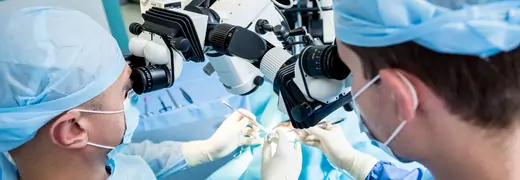
Percutaneous Core Needle Biopsy: A Minimally Invasive Diagnostic Method
Request Call Back
What Is Percutaneous Core Needle Biopsy?
Percutaneous core needle biopsy (CNB) is a minimally invasive diagnostic procedure used to obtain tissue samples from suspicious or abnormal areas within the body. Unlike open surgical biopsies, which require incisions and longer recovery periods, CNB involves inserting a specialized cutting needle through the skin to extract cylindrical tissue cores. This approach significantly reduces patient discomfort, risk of complications, and overall recovery time.
Core needle biopsy plays a critical role in modern diagnostic medicine. It is widely used to evaluate masses, tumors, cysts, and inflammatory lesions located in organs such as the breast, liver, lungs, kidneys, lymph nodes, thyroid gland, and musculoskeletal structures. The technique enables physicians to determine whether a lesion is benign, malignant, infectious, or inflammatory—information that is essential for accurate diagnosis, staging, and treatment planning.
By combining high diagnostic accuracy with minimal invasiveness, percutaneous CNB has become the preferred method for evaluating many types of tissue abnormalities. It offers a safe alternative to open biopsies and allows early detection and treatment of complex medical conditions.
How Is the Procedure Performed?
Percutaneous core needle biopsy is typically performed in an interventional radiology suite or specialized diagnostic unit. The procedure generally takes between 15 and 60 minutes, depending on the location and complexity of the lesion.
1. Pre-Procedure Preparation
Before the biopsy, patients undergo:
-
Medical history review
-
Physical examination
-
Imaging studies (ultrasound, CT, MRI, or mammography depending on the target)
Blood tests may be required to evaluate clotting function and overall suitability for the procedure. Patients are usually advised to stop blood-thinning medications before the biopsy.
2. Local Anesthesia and Sterile Preparation
The skin over the biopsy site is cleaned with antiseptic solution, and local anesthesia is administered. Patients remain awake during the procedure but experience minimal discomfort due to the anesthesia.
3. Imaging Guidance
To ensure accuracy and safety, the radiologist uses advanced imaging techniques such as:
-
Ultrasound (most common)
-
Computed Tomography (CT)
-
Magnetic Resonance Imaging (MRI)
-
Fluoroscopy (in certain anatomical regions)
These imaging tools help the physician visualize the lesion in real time and guide the biopsy needle precisely to the target area.
4. Tissue Sampling
A spring-loaded or vacuum-assisted core needle device is inserted through the skin. The needle quickly advances into the lesion and retrieves small cylindrical samples (cores). Multiple samples may be collected to ensure adequate tissue volume for accurate analysis.
5. Post-Procedure Monitoring
After the biopsy, pressure is applied to prevent bleeding, followed by a sterile dressing. Patients are monitored briefly and typically discharged the same day.
Most individuals return to their normal activities within 24 hours.
Safety and Complications
Complications are rare and usually mild. The most common include:
-
Minor bleeding or bruising
-
Temporary soreness
-
Very rarely, infection or hematoma
Thanks to imaging guidance and advanced needle technologies, serious complications are extremely uncommon.
When Is Percutaneous Core Needle Biopsy Recommended?
CNB is indicated in a wide range of clinical situations. It is often recommended when imaging studies reveal abnormalities that require histological confirmation.
1. Suspected Cancer
Core needle biopsy is essential for diagnosing and staging many cancers, including:
-
Breast cancer
-
Thyroid cancer
-
Liver or kidney tumors
-
Lung nodules
-
Lymphoma
-
Bone or soft tissue tumors
CNB helps determine the tumor type, grade, and potential aggressiveness, enabling physicians to personalize treatment strategies.
2. Evaluation of Abnormal Masses
Not all masses are cancerous. CNB helps identify:
-
Benign tumors
-
Cysts or pseudocysts
-
Inflammatory or infectious lesions
-
Fibrotic tissue
-
Autoimmune-related abnormalities
This prevents unnecessary surgery and ensures appropriate medical management.
3. Follow-Up of Known Conditions
In some cases, core needle biopsy is used to:
-
Monitor treatment response
-
Evaluate recurrent lesions
-
Investigate complications of chronic diseases
4. Patients Unsuitable for Surgery
For patients at high risk of surgical complications due to age, comorbidities, or overall health status, CNB provides a safe alternative for obtaining diagnostic tissue.
Advantages of Percutaneous Core Needle Biopsy
Percutaneous CNB is widely regarded as one of the most effective and patient-friendly diagnostic methods available today. Its advantages include:
1. Minimally Invasive Approach
No surgical incision is required. Patients experience:
-
Less pain
-
Minimal tissue trauma
-
Faster healing
2. High Diagnostic Accuracy
Unlike fine-needle aspiration (FNA), which collects only cells, CNB retrieves intact tissue architecture. This allows pathologists to analyze:
-
Cell structure
-
Tissue arrangement
-
Tumor margins
-
Hormone receptor status (e.g., in breast cancer)
This often results in more reliable and detailed diagnostic information.
3. Rapid Procedure and Recovery
Most procedures are completed in under an hour, and patients can leave the hospital the same day with minimal restrictions.
4. Broad Applicability
CNB can be used in virtually any anatomical region, including:
-
Deep organs
-
Soft tissues
-
Musculoskeletal structures
-
Retroperitoneal or thoracic regions
This makes it an essential tool for interventional radiologists and oncologists.
5. Reduced Need for Open Surgery
By providing definitive diagnosis through needle sampling, CNB often eliminates the need for invasive surgical biopsies.
After the Biopsy: What Should Patients Expect?
Most patients experience only mild soreness at the biopsy site for 24–48 hours. Ice application and over-the-counter pain relievers are typically sufficient.
Patients are advised to:
-
Avoid heavy lifting for 24 hours
-
Keep the biopsy site clean and dry
-
Monitor for signs of infection or bleeding
Results are usually available within a few days, depending on the complexity of the pathology analysis. The pathology report guides the next steps in treatment planning, whether it involves surgery, medication, imaging follow-up, or oncologic therapy.
Conclusion
Percutaneous core needle biopsy is a cornerstone of modern diagnostic medicine. It combines safety, precision, and minimal invasiveness to provide accurate tissue samples necessary for diagnosing a wide range of conditions, from benign lesions to complex cancers.
At Medical Point Hospital, our experienced interventional radiology team uses advanced imaging technologies and state-of-the-art biopsy equipment to ensure optimal patient safety, comfort, and diagnostic clarity. Early and accurate diagnosis through percutaneous biopsy leads to more effective treatment planning, improved outcomes, and better quality of life.
WHAT WE'RE TALKING ABOUT
Prostate Cancer Treatment in Turkey
Coronary CT Angiography: Advanced Non-Invasive Imaging for Heart and Coronary Artery Health

Toxic Shock Syndrome and Tampon Use: What Women Should Know About This Rare but Serious Condition