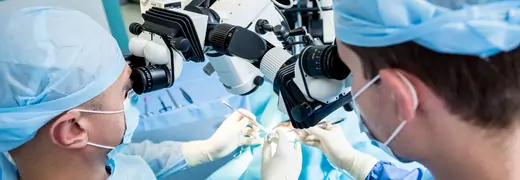
Uterine Fibroid (Myoma) Embolization: A Modern Minimally Invasive Approach
Request Call Back
Uterine fibroids, also called uterine myomas or leiomyomas, are among the most common benign tumors affecting women of reproductive age. Although non-cancerous, they can significantly impact daily life through symptoms such as heavy bleeding, pelvic pain, and pressure on nearby organs. Modern medical advances now offer effective, uterus-preserving treatments—one of the most widely used being Uterine Artery Embolization (UAE). This minimally invasive procedure has become a preferred option for many women who seek symptom relief without undergoing major surgery.
Bu makalede, uterin fibroidlerin ne olduğu, embolizasyonun nasıl yapıldığı, kimlerin aday olabileceği ve tedavinin sağladığı faydalar ayrıntılı şekilde ele alınmaktadır.
What Are Uterine Fibroids?
Uterine fibroids are benign growths that form within the muscular wall of the uterus (myometrium). They vary greatly in size, location, and number, ranging from a few millimeters to tumors large enough to distort the shape of the uterus. Although fibroids can occur at any age, they are most frequently diagnosed in women aged 30–40. Many remain silent and go unnoticed, leading to diagnosis through routine pelvic exams or imaging tests such as ultrasonography or MRI.
Types of Fibroids
Fibroids are grouped based on where they develop in the uterus:
-
Intramural fibroids: Located within the uterine muscle; the most common type.
-
Subserosal fibroids: Grow on the outer surface of the uterus, sometimes exerting pressure on adjacent organs like the bladder or rectum.
-
Submucosal fibroids: Develop just beneath the uterine lining and can protrude into the uterine cavity; often associated with heavy menstrual bleeding.
-
Pedunculated fibroids: Attached by a stalk, either inside or outside the uterus.
Common Symptoms
While many fibroids do not cause any symptoms, others can lead to:
-
Heavy or prolonged menstrual bleeding
-
Pelvic pain or cramping
-
A feeling of abdominal fullness or pressure
-
Back pain
-
Frequent urination or difficulty emptying the bladder
-
Pain during intercourse
-
Fertility problems or pregnancy complications in some cases
These symptoms can affect quality of life, interfere with daily activities, and cause emotional stress. Early diagnosis helps women explore suitable treatment options before symptoms worsen.
Are Fibroids Cancerous?
Fibroids are almost always benign. Malignant transformation (leiomyosarcoma) is extremely rare. However, very large fibroids or rapidly growing ones should always be evaluated by a specialist. Even though fibroids are not cancerous, their size and location may impact the uterus’s function or a woman’s reproductive health.
How Is Embolization Performed?
Uterine Artery Embolization (UAE) is a minimally invasive procedure performed by an interventional radiologist. The aim is to shrink fibroids by blocking their blood supply, causing them to gradually shrink over weeks to months. Unlike traditional surgery, embolization does not require large incisions, removal of the uterus, or general anesthesia, making it an appealing option for many patients.
Step 1: Artery Access
The procedure begins with a small puncture in either the groin (femoral artery) or the wrist (radial artery). After sterilization and local anesthesia, a thin flexible tube (catheter) is introduced into the artery. Using real-time imaging (fluoroscopy), the radiologist gently guides the catheter toward the uterine arteries, which supply blood to the fibroids.
Step 2: Embolic Particle Injection
Once positioned, tiny embolic particles—usually biocompatible, medical-grade beads—are injected through the catheter. These particles travel into the blood vessels feeding the fibroids and block them selectively, reducing blood flow. Healthy uterine tissue continues to receive adequate circulation through collateral vessels, making the procedure safe and targeted.
Step 3: Fibroid Shrinkage
Because fibroids rely heavily on their blood supply to grow, losing circulation leads to gradual shrinkage. Over the following months, patients typically experience:
-
Reduced menstrual bleeding
-
Decreased pressure and pain
-
Improved bladder or bowel function
-
Overall better quality of life
Anesthesia and Recovery
UAE is usually performed under local anesthesia with sedation. This approach avoids the risks associated with general anesthesia and allows for a faster recovery. Most patients return home the same day or after one night of observation.
Post-Procedure Process
Mild cramping, fatigue, and discomfort are expected for a few days as the fibroids begin to shrink. Pain medications and anti-inflammatory treatments help manage these symptoms. A follow-up imaging test is typically scheduled after a few months to evaluate treatment success.
Who Is a Candidate for Fibroid Embolization?
Uterine fibroid embolization is a suitable option for many women, especially those who want to avoid invasive surgery. Ideal candidates include women with:
1. Symptomatic Fibroids
UAE is recommended for women experiencing:
-
Heavy menstrual bleeding
-
Pelvic pain or pressure
-
Frequent urination
-
Discomfort affecting daily life
2. Desire to Preserve the Uterus
Many women prefer to keep their uterus for personal, emotional, or reproductive reasons. UAE allows symptom improvement without hysterectomy.
3. Poor Response to Medications
When hormonal or other medical therapies fail to control symptoms, embolization becomes a strong alternative.
4. High Surgical Risk
Patients who cannot undergo major surgery due to other health conditions may benefit from this minimally invasive procedure.
When UAE May Not Be Suitable
-
Very large fibroids that occupy the entire uterus
-
Suspicion of malignant tumors
-
Extensive pelvic infections
-
Severe endometriosis that alters vascular anatomy
In such cases, other treatments like myomectomy or hysterectomy may be considered.
Benefits of Uterine Fibroid Embolization
UAE has gained popularity because it offers multiple advantages while maintaining safety and effectiveness.
Minimally Invasive Approach
The procedure requires only a tiny puncture rather than abdominal incisions. This means:
-
Minimal scarring
-
Less post-procedural discomfort
-
Faster recovery
Rapid Symptom Relief
Many women report noticeable improvement in bleeding, pressure, and pain within weeks.
High Success Rate
Studies show that 85–90% of women experience long-term symptom relief.
Preservation of the Uterus
UAE is ideal for women who wish to avoid uterine removal while still treating fibroids effectively.
Low Complication Risk
Compared with surgical interventions, UAE has lower rates of infection, bleeding, and hospitalization.
Short Hospital Stay
Most patients return home within 6–24 hours, allowing them to resume normal routines sooner.
Conclusion
Uterine fibroid embolization offers an effective, minimally invasive option for women suffering from symptomatic myomas. By targeting the fibroid’s blood supply, UAE provides long-lasting symptom relief, quick recovery, and a uterus-preserving alternative to traditional surgery.
At Medical Point Hospital, our experienced interventional radiologists perform uterine artery embolization using advanced imaging technology to ensure precision, safety, and excellent outcomes. Early evaluation, accurate diagnosis, and personalized treatment planning help women regain comfort, health, and overall quality of life.
WHAT WE'RE TALKING ABOUT
Life During and After IVF Treatment: What Patients Should Know

Prostate Cancer Treatment in Turkey
Coronary CT Angiography: Advanced Non-Invasive Imaging for Heart and Coronary Artery Health