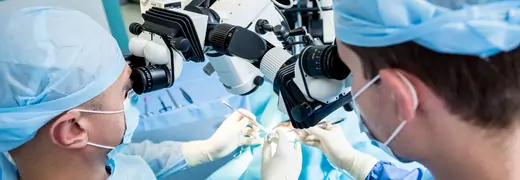
What Is Echinococcal Cyst PAIR?
Request Call Back
The PAIR procedure is a minimally invasive treatment method for echinococcal cysts, also known as hydatid cysts, caused by Echinococcus parasites. PAIR stands for Puncture, Aspiration, Injection, and Re-aspiration, describing the four key steps of the procedure.
Unlike conventional surgery, PAIR provides a non-surgical alternative for patients who may be at high risk for operative interventions or for cysts located in areas where surgery carries significant complications. The technique aims to remove the cyst’s contents and neutralize the parasite, effectively halting disease progression while minimizing trauma to surrounding tissues.
How Is the PAIR Procedure Performed?
The PAIR method is typically carried out by a specialized medical team under imaging guidance, most often ultrasound. The procedure includes the following steps:
- Local Anesthesia: The area around the cyst is anesthetized to ensure patient comfort.
- Puncture: A fine needle is inserted into the cyst under ultrasound guidance. Precision is critical to avoid leakage of cyst contents.
- Aspiration: The fluid inside the cyst is carefully removed in a sterile environment to reduce pressure and decrease parasitic load.
- Injection: A scolicidal agent—commonly alcohol or a specialized chemical solution—is injected into the cyst. This solution destroys the parasitic elements inside, preventing further growth or infection.
- Re-aspiration: After allowing time for the scolicidal solution to act, the cyst is re-aspirated to remove residual fluid and destroyed parasitic material.
The PAIR procedure may be performed in a single session or multiple sessions, depending on the cyst size, number, and patient’s overall health status.
When Is PAIR Recommended?
PAIR is particularly valuable for patients who cannot undergo conventional surgery due to age, comorbid conditions, or other health risks. Indications for PAIR include:
- High surgical risk patients: Elderly individuals or those with cardiac or pulmonary diseases.
- Difficult cyst locations: Deep or inaccessible cysts where surgery may damage surrounding structures.
- Large or multiple cysts: Cases where surgical excision is complex or risky.
- Relapse prevention: Patients with recurrent hydatid cysts where repeated surgery is not feasible.
PAIR is considered a safe and effective alternative in carefully selected cases, offering reduced recovery time and lower complication rates compared to open surgical interventions.
Benefits of the PAIR Procedure
The advantages of PAIR over traditional surgery include:
- Minimal invasiveness: No large incisions are required, reducing trauma and scarring.
- Shorter recovery: Patients typically resume normal activities more quickly.
- Reduced complications: Lower risk of infection, bleeding, or injury to surrounding organs.
- Effectiveness: Directly targets the parasite within the cyst, limiting disease progression.
- Repeatability: Can be safely repeated if necessary for multiple cysts or residual disease.
Precautions and Follow-Up
While PAIR is minimally invasive, it requires strict adherence to protocols to avoid complications such as spillage of cyst contents, which could cause secondary infection or anaphylactic reactions. Patients are typically monitored with ultrasound or CT scans post-procedure to ensure the cyst has collapsed and no recurrence occurs.
Medical supervision during and after PAIR is crucial, and antiparasitic medications such as albendazole may be prescribed to enhance treatment efficacy.
Conclusion
The Echinococcal Cyst PAIR procedure provides an effective, minimally invasive alternative to surgery for treating hydatid cysts. By aspirating the cyst, injecting a scolicidal solution, and re-aspirating the contents, the procedure reduces parasitic load and prevents further disease progression.
At Medical Point Hospital, PAIR is performed by experienced specialists using advanced imaging techniques to ensure safety and optimal outcomes. For patients who are poor surgical candidates or have cysts in challenging locations, PAIR offers a reliable, less invasive treatment option that minimizes complications and supports faster recovery.
Early diagnosis, appropriate patient selection, and expert execution are critical factors for the success of this treatment method.
WHAT WE'RE TALKING ABOUT

Prostate Cancer Treatment in Turkey

Coronary CT Angiography: Advanced Non-Invasive Imaging for Heart and Coronary Artery Health

Toxic Shock Syndrome and Tampon Use: What Women Should Know About This Rare but Serious Condition