Arteriovenous Malformations (AVMs): Understanding the Condition
Request Call Back
An arteriovenous malformation (AVM) is a rare vascular anomaly in which arteries and veins are connected directly without the normal intervening capillary network. This abnormal connection disrupts normal blood flow and oxygen delivery, potentially causing serious complications depending on its location and size. AVMs are typically congenital, meaning they are present at birth, and can occur in the brain, spinal cord, or other areas of the body.
The abnormal vascular network in an AVM can increase the risk of rupture, bleeding, or neurological deficits, making early recognition and treatment essential.
What Causes Arteriovenous Malformations?
The exact cause of AVMs is not fully understood, but they are generally considered to result from abnormal blood vessel development during fetal growth. While most AVMs occur sporadically, some may have genetic associations with vascular syndromes. Key factors include:
- Congenital vascular development issues: Disruption in normal capillary formation during embryogenesis.
- Genetic predisposition: Rare familial forms of AVMs linked to hereditary syndromes.
- Acquired factors (rare): Trauma or vascular injury in some cases may contribute to AVM formation, although congenital origin is predominant.
Understanding the developmental nature of AVMs helps clinicians plan effective monitoring and interventions.
Symptoms of Arteriovenous Malformations
Symptoms vary depending on the location, size, and flow characteristics of the AVM. Some individuals may remain asymptomatic for years, while others may experience severe manifestations.
1. Headaches
- Common in cerebral AVMs (brain).
- Often resemble migraine headaches, increasing in frequency or intensity over time.
- Persistent or severe headaches may indicate increased blood flow or pressure in the malformed vessels.
2. Seizures (Epilepsy)
- AVMs in the brain can irritate neural tissue, leading to seizures.
- Seizures may range from brief lapses of awareness to generalized convulsions.
- Timely diagnosis is essential to prevent recurrent neurological damage.
3. Bleeding
- Intracranial hemorrhage is one of the most serious complications.
- AVM rupture can lead to stroke, brain damage, or life-threatening bleeding.
- Risk of bleeding is higher in AVMs with high-flow vessels or larger size.
4. Neurological Deficits
- Depending on location, AVMs can affect motor, sensory, or cognitive functions.
- Possible outcomes include weakness, loss of coordination, speech difficulties, or visual disturbances.
- Gradual neurological changes may signal the progression of the malformation.
5. Swelling and Pain
- AVMs in limbs or soft tissues can cause localized swelling, warmth, or tenderness.
- Chronic pain or movement restriction may develop as abnormal vessels enlarge.
- Superficial AVMs may be visible as bulging or pulsating masses under the skin.
Diagnosis of AVMs
Early and accurate diagnosis of AVMs is crucial to prevent complications such as hemorrhage or neurological damage. At Medical Point Hospital, a combination of imaging and clinical evaluation is used:
- Magnetic Resonance Imaging (MRI): Provides detailed images of brain or spinal cord AVMs and their relationship to surrounding tissue.
- Magnetic Resonance Angiography (MRA): Visualizes blood flow patterns and the feeding arteries and draining veins of the AVM.
- Computed Tomography Angiography (CTA): Useful in assessing vascular anatomy and detecting hemorrhage.
- Digital Subtraction Angiography (DSA): Considered the gold standard for AVM evaluation, showing precise vascular architecture and flow dynamics.
- Neurological Examination: Assesses motor, sensory, and cognitive function to determine the impact of AVM on the nervous system.
Combining these diagnostic tools helps physicians evaluate risk, plan treatment, and monitor progression.
Treatment Options for AVMs
Management of AVMs depends on size, location, and symptom severity. Treatment aims to reduce bleeding risk, alleviate symptoms, and preserve neurological function.
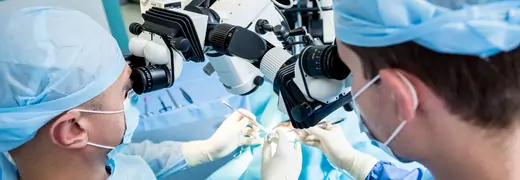
1. Microsurgical Resection
- Surgical removal of the AVM is often recommended for accessible brain or spinal cord AVMs.
- Complete excision eliminates the risk of rupture and associated complications.
- Requires careful planning to avoid damage to surrounding tissue.
2. Endovascular Embolization
- Minimally invasive procedure performed through a catheter inserted into feeding arteries.
- Liquid embolic agents are injected to block abnormal blood flow within the AVM.
- Can be used as a stand-alone treatment or to reduce AVM size before surgery.
3. Stereotactic Radiosurgery
- Focused radiation targets the AVM over several weeks to gradually close off abnormal vessels.
- Non-invasive and effective for smaller or hard-to-reach AVMs.
- Full effect may take months to achieve, requiring ongoing monitoring.
4. Medical Management
- Symptomatic treatment includes anticonvulsants for seizures or pain management.
- Regular monitoring is necessary to track AVM growth and risk of rupture.
Treatment is individualized based on patient-specific factors, including AVM location, size, risk profile, and overall health.
Prognosis and Follow-Up
- Early detection significantly improves outcomes, reducing risk of hemorrhage and long-term neurological deficits.
- Lifelong follow-up is essential for monitoring residual AVMs or recurrence.
- Patients are advised to manage cardiovascular health, avoid trauma, and report new neurological symptoms promptly.
Conclusion
Arteriovenous malformations (AVMs) are complex vascular anomalies with potentially serious consequences. While some remain asymptomatic for years, others can lead to headaches, seizures, bleeding, or neurological deficits. Early recognition, accurate imaging, and timely intervention are critical to prevent complications and improve quality of life.
At Medical Point Hospital, our multidisciplinary team of neurologists, interventional radiologists, and neurosurgeons provides comprehensive evaluation and individualized treatment plans for AVM patients. Whether through surgery, endovascular therapy, or radiosurgery, the goal is to minimize risks and ensure safe, effective care for every patient.
Patients with unexplained headaches, seizures, or neurological changes should seek evaluation promptly to rule out AVMs and begin appropriate management.
WHAT WE'RE TALKING ABOUT
Life During and After IVF Treatment: What Patients Should Know

Prostate Cancer Treatment in Turkey

Coronary CT Angiography: Advanced Non-Invasive Imaging for Heart and Coronary Artery Health