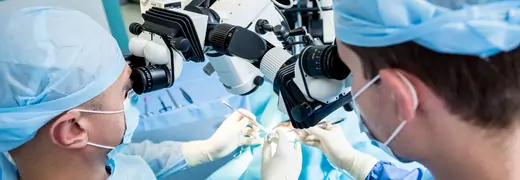
Stem Cell Therapy
Request Call Back
Stem cell therapy has emerged as one of the most promising innovations in modern medicine. Its regenerative capabilities have positioned it as a potential solution for a wide range of health issues, including chronic diseases, injuries, and age-related degeneration. In recent years, the field of dermatology and aesthetics has increasingly embraced stem cell therapy as a method to improve skin health, enhance youthful appearance, and support natural tissue regeneration. This article provides a comprehensive overview of stem cell therapy, its effects on the skin, and its suitability for various individuals.
What Is Stem Cell Therapy?
Stem cell therapy involves the use of special cells with the ability to transform into different cell types and support tissue regeneration. Stem cells are undifferentiated cells found in the body, capable of repairing damaged tissues and promoting natural healing processes. The therapy leverages these unique properties to restore and rejuvenate the body, particularly in areas affected by aging, injury, or disease.
In dermatology and aesthetics, stem cell therapy is used for:
- Skin rejuvenation and anti-aging treatments
- Accelerated wound healing
- Hair restoration and treatment of hair loss
- Improving skin elasticity, tone, and overall texture
The core principle of stem cell therapy in aesthetics is to stimulate the skin’s natural regenerative processes. By introducing stem cells into specific areas, the treatment enhances collagen and elastin production, improves hydration, and promotes cellular turnover. This results in healthier, firmer, and more youthful-looking skin.
How Stem Cell Therapy Works
Stem cell therapy typically involves harvesting stem cells from the patient’s own body, often from fat tissue (adipose-derived stem cells), bone marrow, or blood. Using the patient’s own cells minimizes the risk of rejection and ensures compatibility.
Once collected, the stem cells are processed to concentrate the most potent regenerative cells. These cells are then carefully injected into the target areas of the skin or scalp. The therapy is minimally invasive and generally requires multiple sessions for optimal results. The process works in several ways:
- Collagen Stimulation: Stem cells encourage fibroblasts in the skin to produce collagen, improving elasticity and reducing wrinkles.
- Cellular Renewal: Stem cells trigger the replacement of damaged or aged cells with new, healthy cells.
- Improved Circulation: By enhancing blood flow to treated areas, stem cells deliver nutrients and oxygen, supporting tissue health.
- Anti-Inflammatory Effects: Stem cells release growth factors and cytokines that reduce inflammation, contributing to skin health and repair.
The combination of these effects allows stem cell therapy to address multiple signs of aging simultaneously, including sagging, wrinkles, uneven tone, and fine lines.
Applications of Stem Cell Therapy in Dermatology and Aesthetics
Stem cell therapy has numerous applications in both clinical and cosmetic dermatology. Some of the most common uses include:
- Skin Rejuvenation:
Stem cells improve the skin’s structure and function by stimulating collagen and elastin production. The therapy enhances hydration, reduces fine lines, and promotes a radiant, youthful complexion. - Anti-Aging Treatments:
Aging skin often exhibits loss of elasticity, wrinkles, and uneven pigmentation. Stem cell therapy targets these issues by promoting natural regeneration and restoring skin firmness. - Scar Reduction and Wound Healing:
Stem cells accelerate the healing of scars, burns, and other skin injuries. Their regenerative properties help restore normal tissue architecture and minimize discoloration or deformation. - Hair Restoration:
Hair loss due to aging, hormonal changes, or medical conditions can be treated with stem cells. Injecting stem cells into the scalp stimulates dormant hair follicles, strengthens existing hair, and encourages new growth. - Treatment of Skin Disorders:
Certain chronic skin conditions, such as eczema, psoriasis, and chronic ulcers, may benefit from stem cell therapy due to its anti-inflammatory and regenerative properties.
Benefits of Stem Cell Therapy
Stem cell therapy offers numerous advantages, making it a sought-after treatment in both aesthetic and medical fields:
- Natural Regeneration: Uses the body’s own repair mechanisms for safe and effective results.
- Minimally Invasive: Compared to surgical procedures, stem cell therapy involves fewer risks and shorter recovery times.
- Versatile Applications: Can be used for skin, hair, and various tissue regeneration needs.
- Anti-Aging Effects: Helps reduce wrinkles, sagging, and fine lines while improving skin tone and elasticity.
- Enhanced Healing: Promotes faster recovery from injuries, scars, and other skin damage.
Who Can Benefit from Stem Cell Therapy?
Stem cell therapy is suitable for a broad range of individuals seeking skin rejuvenation, hair restoration, or tissue repair. Ideal candidates include:
- Adults Experiencing Signs of Aging: Those noticing wrinkles, fine lines, sagging, or uneven skin tone.
- Individuals with Skin Damage: Scars, sun damage, or chronic skin conditions that require regenerative support.
- Hair Loss Patients: People with thinning hair or pattern baldness seeking non-surgical restoration methods.
- Health-Conscious Individuals: Those looking for natural, minimally invasive treatments to support tissue health and repair.
While stem cell therapy is generally safe, certain conditions—such as active infections, certain cancers, or pregnancy—may require special consideration. A thorough consultation with a qualified physician is essential to determine suitability and develop an individualized treatment plan.
Considerations and Safety
Stem cell therapy is considered a minimally invasive and low-risk procedure when performed by trained professionals. Using autologous stem cells (from the patient’s own body) significantly reduces the risk of adverse reactions. However, potential considerations include:
- The need for multiple treatment sessions for optimal results
- Temporary redness, swelling, or mild discomfort at injection sites
- Cost and availability of advanced stem cell therapies
It is crucial to seek treatment from certified clinics that follow ethical and medical standards to ensure safety and efficacy.
Conclusion
Stem cell therapy represents a revolutionary approach to skin health, anti-aging treatments, and tissue regeneration. By harnessing the body’s natural repair mechanisms, this therapy addresses wrinkles, sagging, scars, hair loss, and other cosmetic and dermatological concerns. The minimally invasive nature, regenerative properties, and versatility of stem cell therapy make it an increasingly popular choice in both medical and aesthetic practices.
For those considering stem cell therapy, consulting a qualified doctor is essential to determine the most appropriate treatment plan based on individual health, skin condition, and aesthetic goals. With professional guidance, stem cell therapy can provide safe, effective, and long-lasting results, contributing to a healthier, more youthful, and revitalized appearance.
WHAT WE'RE TALKING ABOUT
Life During and After IVF Treatment: What Patients Should Know

Prostate Cancer Treatment in Turkey
Coronary CT Angiography: Advanced Non-Invasive Imaging for Heart and Coronary Artery Health