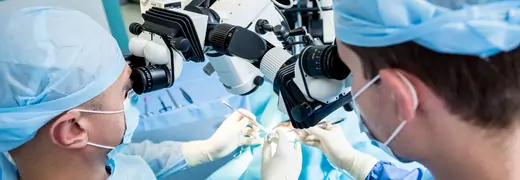
Coronary Angiography
Request Call Back
Coronary angiography is a diagnostic imaging procedure used to visualize the coronary arteries — the blood vessels that supply oxygen-rich blood to the heart. It helps determine whether there are any blockages, narrowing (stenosis), or abnormalities that may affect blood flow to the heart muscle.
During this test, a special contrast dye is injected into the arteries through a thin tube called a catheter, and X-ray images (called an angiogram) are taken. These images allow doctors to clearly see how blood moves through the heart’s vessels and to identify any areas where the flow is restricted or completely blocked.
Coronary angiography is a crucial tool in diagnosing coronary artery disease (CAD), assessing damage after a heart attack, and determining whether interventions such as angioplasty or stent placement are required.
When Is Coronary Angiography Performed?
Doctors may recommend coronary angiography when they suspect that a patient has a heart or vascular problem that affects blood flow. The most common indications include:
- Severe or unexplained chest pain (angina)
- Suspicion of coronary artery disease (CAD)
- History of heart attack (myocardial infarction)
- Heart failure or abnormal stress test results
- Unexplained shortness of breath or dizziness
- Evaluation before cardiac surgery
This test is also performed after a heart attack to assess the extent of arterial blockage and to guide treatment decisions, such as whether to insert a stent or perform bypass surgery.
For patients whose symptoms are not well controlled with medication, coronary angiography helps determine if further interventional treatment is necessary. It provides doctors with detailed, real-time information about the condition of the coronary arteries, making it an essential step in developing an effective treatment plan.
The Procedure: What to Expect
Before the procedure, patients receive detailed information about the process and are advised not to eat or drink for several hours. The test is usually performed in a hospital setting under local anesthesia or mild sedation to ensure comfort.
- Catheter Insertion:
A small incision is made, typically in the groin or wrist area, where a catheter is carefully inserted into an artery. Using X-ray guidance, the catheter is advanced to the coronary arteries. - Contrast Dye Injection:
Once positioned, a contrast dye is injected through the catheter. This dye makes the coronary arteries visible under X-ray imaging, allowing doctors to see any blockages or narrowing. - Image Capture:
Real-time X-ray images (angiograms) are recorded as the dye moves through the heart’s vessels. The doctor evaluates the flow and identifies any areas of reduced or obstructed circulation.
The procedure generally takes 30 minutes to one hour. Most patients remain awake but relaxed and feel minimal discomfort. Some may experience a brief sensation of warmth when the dye is injected — this is normal and temporary.
After the Procedure: Recovery and Care
Following coronary angiography, patients are monitored in a recovery area for several hours. Pressure is applied to the catheter insertion site (wrist or groin) to prevent bleeding. Patients are usually advised to rest in bed for a few hours to reduce complications such as bleeding or bruising.
Most people can return to normal activities within 24 hours, but heavy lifting and strenuous physical activity should be avoided for several days. Common post-procedure experiences include:
- Mild pain or bruising at the insertion site
- Slight fatigue or weakness for a day or two
- Temporary swelling or tenderness
If a stent was placed during the angiography, patients are often prescribed anticoagulant (blood thinner) medications to prevent clot formation.
Follow-up appointments are essential to monitor healing and to discuss test results. The cardiologist may recommend further treatment, lifestyle changes, or additional interventions depending on the findings.
Risks and Complications
Coronary angiography is generally a safe and minimally invasive procedure. However, as with any medical test, there are potential risks, including:
- Bleeding or hematoma at the catheter insertion site
- Allergic reactions to the contrast dye
- Irregular heart rhythms (arrhythmias)
- Kidney function changes, especially in patients with preexisting kidney disease
- In rare cases, infection or arterial damage
These risks are minimized through proper preparation, skilled medical supervision, and post-procedure monitoring. At MedicalPoint Hospital, our experienced cardiologists and nursing teams ensure that every step of the procedure is performed with precision and patient safety in mind.
Conclusion
Coronary angiography is a vital diagnostic test that allows cardiologists to examine the heart’s blood vessels in detail, identify blockages, and determine the best treatment plan. It plays a key role in the management of coronary artery disease and related heart conditions.
With modern techniques, the procedure is minimally invasive, safe, and highly accurate. At MedicalPoint Hospital, our expert cardiology team uses advanced imaging technology to ensure precise diagnosis and optimal outcomes for every patient. Early detection and timely intervention can make a significant difference in preventing heart attacks and preserving heart health.
WHAT WE'RE TALKING ABOUT

Life During and After IVF Treatment: What Patients Should Know

Prostate Cancer Treatment in Turkey

Coronary CT Angiography: Advanced Non-Invasive Imaging for Heart and Coronary Artery Health