Pediatric Surgical Oncology
Get Free Medical Opinion
Overview
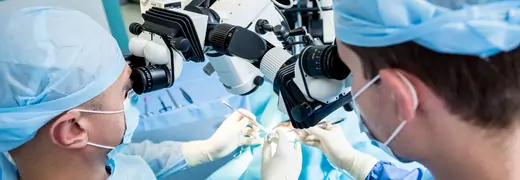
At Medicalpoint International Pediatric Surgery Department, we specialize in advanced, multidisciplinary surgical care for children diagnosed with cancer. Pediatric tumors demand not only surgical precision but also a gentle, child-centered approach. Our expert pediatric surgeons collaborate with pediatric oncologists, radiologists, anesthesiologists, and intensive care specialists to deliver safe, effective, and compassionate treatment.
We proudly integrate robotic-assisted surgery into pediatric oncology, offering enhanced precision, smaller incisions, and faster recovery for our young patients. The robotic platform allows for complex tumor resections with greater accuracy, even in anatomically challenging areas, helping preserve surrounding healthy tissue and critical structures.
From diagnosis through recovery, our mission is to remove tumors while preserving the child’s growth, development, and long-term quality of life.
Treatment Methods
We provide personalized surgical solutions for a wide range of pediatric cancers, supported by state-of-the-art imaging technology, minimally invasive techniques, and pediatric ICU care.
Our services include:
• Minimally invasive tumor removal
• Robotic-assisted oncologic surgeries for enhanced precision and recovery
• Organ-sparing surgeries
• Biopsy and tumor staging operations
• Central venous catheter (port/CVC) placements
• Multidisciplinary tumor board consultations
• Comprehensive post-surgical follow-up and long-term monitoring
Every surgery is planned with the child’s future in mind — minimizing trauma, preserving function, and supporting a full recovery.
Pediatric Cancer Types
Explore the types of pediatric cancers we treat with specialized surgical care:
Intra-abdominal Masses and Tumors
Often presenting as abdominal lumps, these may be benign or malignant. Early surgical evaluation ensures accurate diagnosis and treatment planning.
Neuroblastoma
A common solid tumor in infants and young children, often located near the adrenal glands or spine. Surgery may be curative or part of a combined modality with chemotherapy.
Adrenal Gland Cancers
Rare tumors often linked with hormone production. Surgical removal requires precision and specialized anesthesia protocols.
Kidney Tumors (Wilms Tumor)
The most common kidney cancer in children. Treatment often starts with nephrectomy, followed by chemotherapy or radiotherapy depending on disease staging.
Rhabdomyosarcoma
A soft tissue cancer affecting areas such as the bladder, reproductive organs, or limbs. Managed with a combination of surgery, chemotherapy, and radiotherapy.
Thyroid Cancer
Rare in children but requires skilled surgical management to preserve vocal cord and parathyroid function.
Lymphoma
Typically managed with medical therapy. Surgery may be necessary for diagnostic biopsies or to relieve pressure from large masses.
Liver Tumors (Hepatoblastoma, Hepatocellular Carcinoma)
Surgical resection is key. In advanced cases, we collaborate with transplant centers to evaluate liver transplantation options.
Teratoma
Germ cell tumors located in the neck, chest, or pelvis. Surgical excision is typically curative, especially for benign forms.
Ovarian Cysts and Tumors
Often benign but may require removal. Whenever possible, we use laparoscopic and robotic techniques to preserve ovarian function and fertility.
Testicular Tumors
Managed through inguinal orchiectomy and further evaluation. We prioritize hormonal function and fertility preservation.
FAQ
Not always. Some cancers respond well to chemotherapy or radiation alone. Surgery may be needed for diagnosis, staging, or complete removal of a tumor.
Yes. With specialized pediatric anesthesiologists and modern surgical technologies — including robotic platforms — procedures are performed with high safety standards and minimal risk.
Robotic surgery allows our surgeons to perform complex procedures with greater precision, smaller incisions, and reduced trauma. This translates to less pain, faster healing, and better cosmetic outcomes — especially important for growing children.
We take every measure to protect future growth and fertility, favoring organ-sparing and minimally invasive techniques. We also work with pediatric endocrinology and fertility experts when needed.
Recovery time depends on the procedure’s complexity. Simple surgeries may require a short hospital stay, while more complex cases may need extended monitoring.
Absolutely. We offer dedicated international coordination, translation services, visa guidance, and accommodation assistance for a stress-free experience.
Why Choose Medicalpoint?
• Dedicated pediatric surgeons with oncologic and robotic surgery expertise
• Child-friendly surgical methods and hospital environment
• 24/7 pediatric ICU and anesthesiology support
• Personalized treatment through multidisciplinary tumor boards
• Full international patient services including translation and travel support
WHAT WE'RE TALKING ABOUT
Life During and After IVF Treatment: What Patients Should Know

Prostate Cancer Treatment in Turkey

Coronary CT Angiography: Advanced Non-Invasive Imaging for Heart and Coronary Artery Health